
DETROIT, July 17, 2026, 18:08 EDT
Ford reduced its warranty accrual for new warranties by 18.7% in the first quarter compared to a year earlier. However, cash disbursements for warranties and field actions increased 2.1% to $1.49 billion.
The split sends the strongest signal to investors regarding Ford’s focus on quality. New models now need lower initial provisions, but cash costs have yet to reflect this.
The difference is significant. Reduced accruals may help maintain margins, assuming other factors are unchanged. Cash flow does not increase until payments go down.
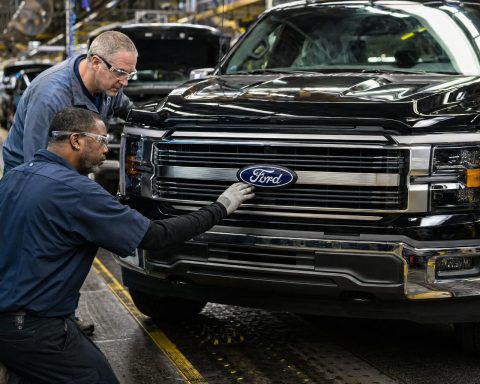
Chief Executive Jim Farley stated regional differences between plants were shrinking. “The U.S. plants have caught up the fastest,” he said in comments quoted by The Drive. Farley described China and Mexico as Ford’s most process-compliant areas. The Drive
Farley has toured over twelve plants in the last year, employing factory-floor “Gemba” walks to evaluate process discipline. TheStreet
The filing provides an initial look at finances. Warranty accruals for Q1 dropped to $1.37 billion. Adjustments related to previous warranties added $545 million in improvements.
| Warranty and field-action expense | Q1 2025 | Q1 2026 | Change |
|---|---|---|---|
| Warranties accrued | $1.689 billion | $1.374 billion | -18.7% |
| Cash outflows | $1.457 billion | $1.487 billion | +2.1% |
| Adjustment for previous warranties | $356 million charge | $189 million release | $545 million favorable |
| Reserve at period end | $14.649 billion | $17.028 billion | +16.2% |
Ford’s filing data; percentage changes and the adjustment swing are based on reported numbers.
However, the ending reserve climbed to $17.03 billion, marking a 16.2% annual increase. Ford reported approximately $2 billion in potential expenses beyond current accruals.
Initial quality is trending downward, with a lower score indicating improvement. Ford reported 152 problems per 100 vehicles, an improvement from 193. The industry average also declined, dropping to 175 from 192.
The recall backlog is still substantial. By July 14, Ford had announced 56 recalls. It recorded 153 campaigns affecting 13 million vehicles in 2025.
Several ongoing recalls originate from vehicles designed in earlier years, making the tally of campaigns an imprecise measure of costs. It overlooks the number of vehicles affected, the cost of fixes, and the extent to which suppliers are reimbursed.
The timing is crucial for investors. Reduced accruals may boost reported profit ahead of a slowdown in cash expenditures. Upcoming filings will indicate if payments have decreased.
The main U.S. session concluded as after-hours trading continued. Ford finished Friday at $14.23, rising 1.6% from July 10.
General Motors NYSE:GM will announce its second-quarter results on Tuesday, July 21. Investors will watch for comments regarding warranty expenses and North American margins as key indicators in comparison to peers. Ford is scheduled to report on July 28.
Risks persist. Legacy campaigns might need expensive component repairs. Supplier recoveries depend on finalized terms, and new issues could disrupt the accrual trend.
The next indicator is cash. Reduced payments in the second quarter would indicate that improvements at the plant are contributing to cash flow. A stable quarter would maintain attention on legacy quality expenses.
Related articles: NYSE:F