
NEW YORK, June 20, 2026, 18:03 EDT
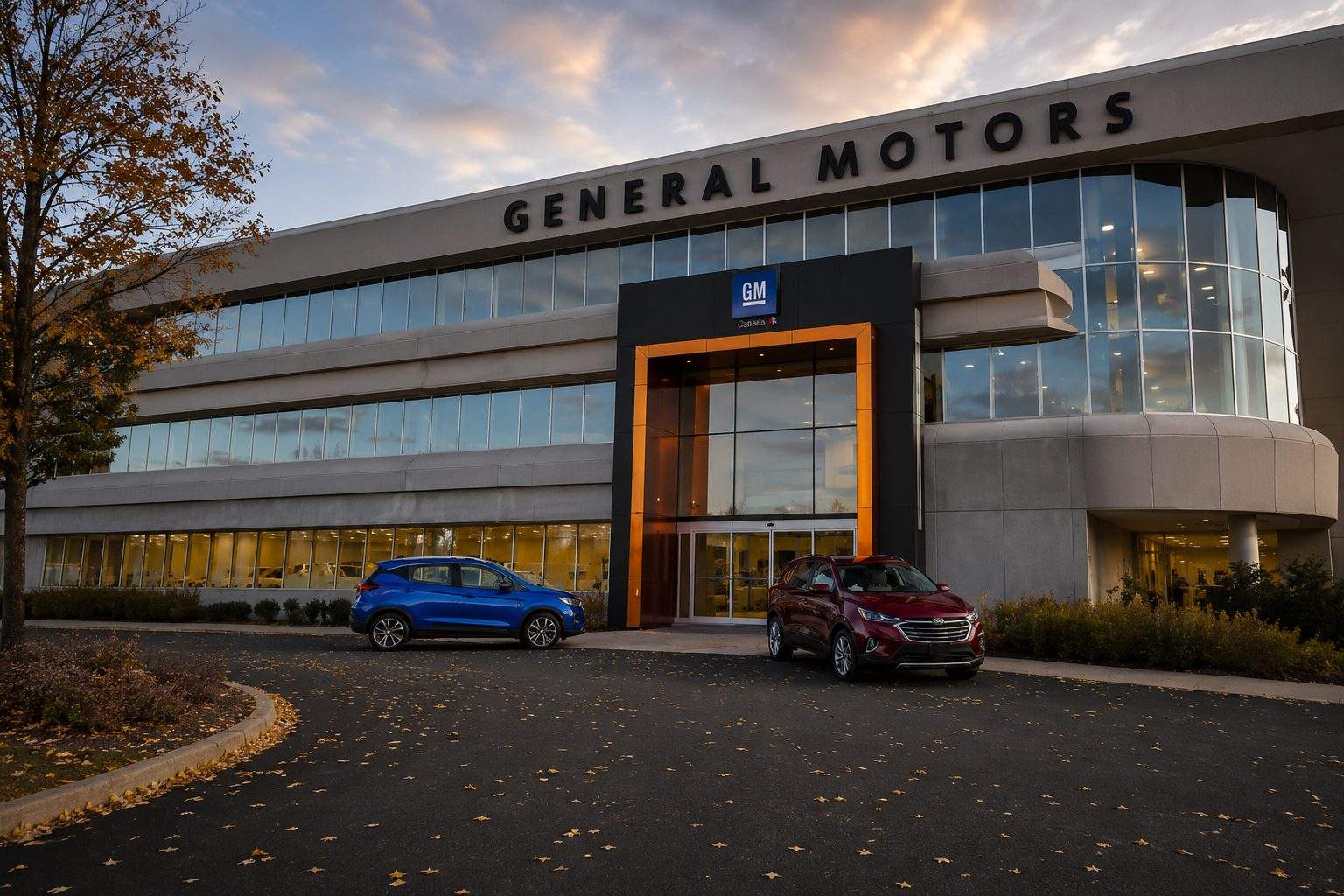
- General Motors finished at $79.29, off 0.36% on June 18. The NYSE then closed for Juneteenth and the weekend.
- The stock closed down 2.7% from its June 12 finish, after losing ground midweek and wiping out Monday’s rise.
- Investors this week are watching to see if the GM-Lockheed Martin defense deal gets priced as a real earnings story, and how North American trade negotiations affect auto sector cost risk.
General Motors shares look set to stay under pressure Monday after sliding last week, even as a new defense-manufacturing deal didn’t halt the drop going into the weekend’s close.
GM GM closed at $79.29 on Thursday, slipping 0.36%. Shares hit $78.94 at the low. With NYSE shut Friday for Juneteenth, $79.29 stands as the final regular price going into the weekend.
That’s in focus now, with the next full trading day bringing two threads for the stock. First, the usual mix of tariffs, regional supply chains and buyers. Second, a fresh question: can GM use its manufacturing to expand into defense deals?
GM shares were steady to start the week, ending Monday at $84.07. The stock slipped to $82.51 Tuesday, then dropped again to $79.58 on Wednesday and edged down to $79.29 Thursday. Compared with last Friday’s close of $81.50, GM finished the holiday-shortened week off around 2.7%.
GM Defense and Lockheed Martin have agreed on a memorandum of understanding to team up on supply chains, manufacturing, and design. They also plan to explore more production capacity. It’s a non-binding deal. Specific programs and contract amounts were not disclosed.
Lockheed Martin’s COO Frank St. John said the challenge is making defense tech “quickly, reliably and at scale.” GM Defense president Steve duMont added the two sides will “identify initial projects to pursue together.” Lockheed Martin Corp
The timing is key for market action. President Donald Trump invoked the Defense Production Act this week, looking to address munitions issues and supply-chain squeezes. Trump cited capacity limits and bottlenecks in weapons output. The act gives the U.S. government leeway to work with private companies to back defense production if capacity could fall short.
GM is pitching more optionality than solid numbers to investors right now. A move into defense could let the automaker tap its expertise in engineering, procurement and plants, but markets don’t usually react until they see real contracts, margins, and spending plans. Ford has said European and North American governments have talked with it about supporting defense with its products.
Autos are still the story. GM posted first-quarter revenue of $43.6 billion. Net income to stockholders came in at $2.6 billion. Adjusted EBIT, which takes out some items, was $4.3 billion. GM lifted its 2026 adjusted EBIT outlook to between $13.5 billion and $15.5 billion. The company also set a quarterly dividend of 18 cents per share, to be paid June 18.
The risk is easy to spot. The Lockheed deal looks set to stay in the headlines unless more contracts come through, and trade policy could shift. Reuters said Saturday that Canadian officials will sit down with U.S. and Mexican counterparts on July 1 for the first trilateral USMCA review meeting. Earlier this week, Trump suggested the U.S. might be better off without the pact, but hasn’t ruled out signing a new deal. Automakers are pushing for an extension.
NYSE trading comes back at 9:30 a.m. ET on Monday. GM investors want more on the defense contracts, any changes in USMCA talk, and to see if the stock stays in the high-$70s after easing before the break. The week ahead puts patience to the test.
Related articles: NYSE:GM