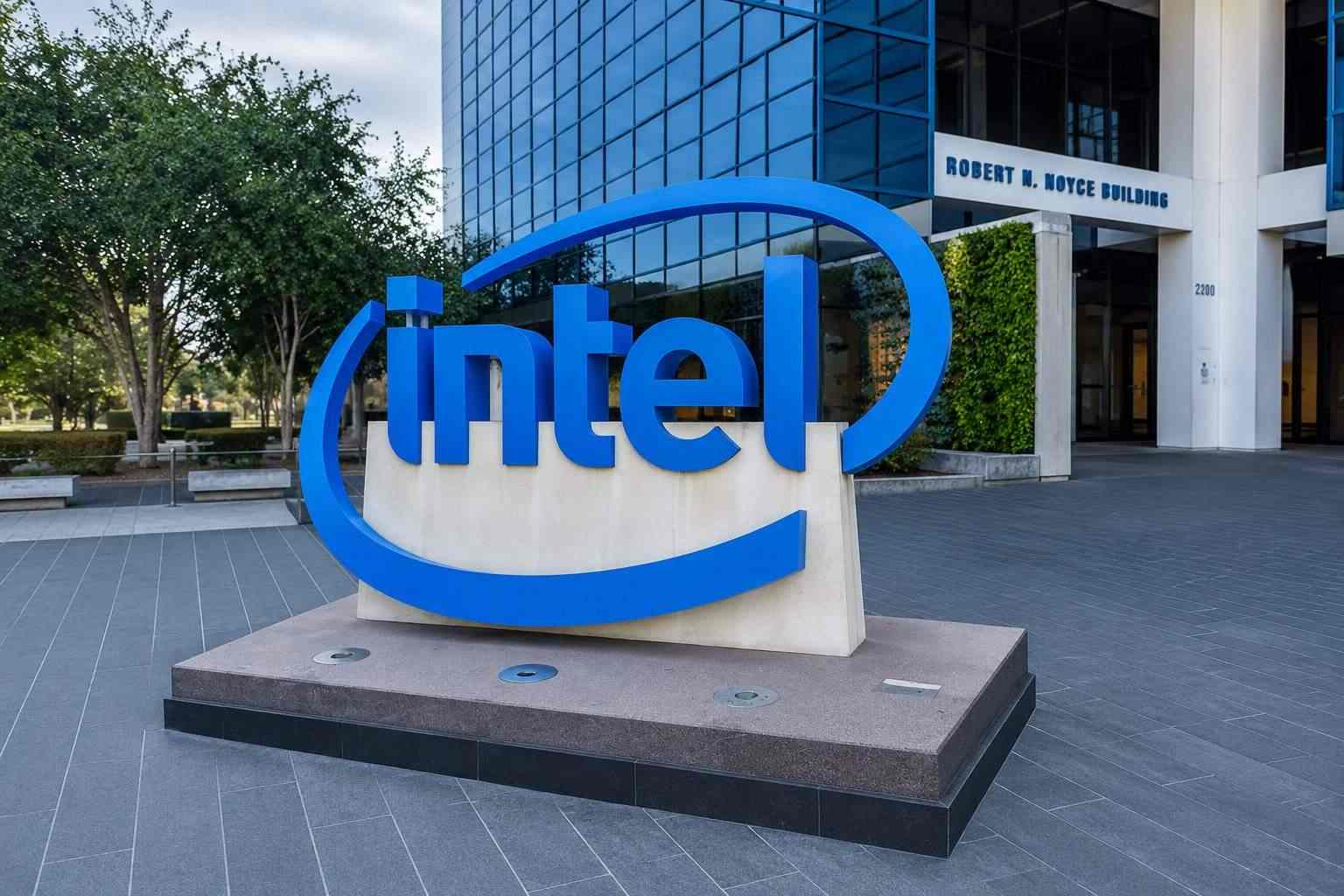

SANTA CLARA, California, July 23, 2026, 13:10 PDT – Intel NASDAQ:INTC reported better-than-expected earnings as robust profit from its AI server segment drove the results, lifting shares by 5%.
- Intel posted quarterly revenue of $16.13 billion with adjusted earnings per share at $0.42, surpassing LSEG forecasts of $14.42 billion in revenue and $0.21 per share.
- The midpoint of its third-quarter revenue outlook was 7.9% above expectations. The company’s adjusted earnings forecast surpassed estimates by 40.7%.
- Based on company figures, the data-center division’s incremental operating margin was approximately 79%. The foundry’s loss continued to make up 84% of the operating profit for that division.
Intel shares climbed 5% in after-hours trading on Thursday after the chipmaker exceeded estimates for sales, profit, and margins. The company also issued third-quarter guidance that surpassed Wall Street projections.
The significance of the report lies in the fact that AI server demand is generating tangible operating leverage. However, most of the server division’s profit is still absorbed by Intel’s foundry. That division remains the most visible measure of the turnaround.
The extent of the beat was wide-ranging:
| Metric | Intel result or outlook | LSEG estimate | Difference |
|---|---|---|---|
| Q2 revenue | $16.13 billion | $14.42 billion | +11.8% |
| Q2 adjusted EPS | $0.42 | $0.21 | +100.0% |
| Q2 adjusted gross margin | 41.8% | 38.8% | +3.0 points |
| Q3 revenue midpoint | $16.30 billion | $15.10 billion | +7.9% |
| Q3 adjusted EPS | $0.38 | $0.27 | +40.7% |
LSEG provides consensus estimates. The percentage differences are calculated using Intel’s disclosed numbers and the midpoint in its guidance range.
Intel reported results at 4:01 p.m. EDT, after U.S. cash markets had shut. Trading in extended hours continued. The Nasdaq Composite ended the regular session down 2.15%.
Revenue from Data Center and AI increased by 59% to $6.26 billion. Operating profit jumped to $2.47 billion compared to $633 million. The segment margin improved to 39.5%, up from 16.1%.
The incremental operating margin reached approximately 79%. In other words, for every extra dollar in sales, about 79 cents were added to operating profit. This stood out as the quarter’s most significant indicator for investors.
Foundry revenue increased by 31% to $5.77 billion. The unit’s operating loss declined by $1.08 billion, standing at $2.09 billion. However, the loss still amounted to 84% of data-center operating profit.
Foundry margins rose to negative 36.2%, up from negative 71.7%. The revenue total factors in internal trades and does not exclusively reflect sales to external customers.
Chief Financial Officer David Zinsner stated that increased demand warranted further investment. Intel lifted its 2026 capital expenditure projection to $20 billion, up from $18 billion. Zinsner added that outlays are expected to rise “up meaningfully” in the coming year. Reuters
Zinsner told Reuters, “That’s signaling the confidence around the growth opportunities for the business.” Reuters
Intel has entered into CPU and XPU contracts ranging from three to five years, with certain deals outlining both pricing and volume obligations. Chief Financial Officer Zinsner noted that customers have the option to revise agreements if circumstances shift.
Intel reported a GAAP net loss of $11.0 billion, equating to $2.16 per share. The majority of this was due to a $12.5 billion mark-to-market charge linked to escrowed shares. Adjusted net income totaled $2.2 billion.
Cash flows showed mixed results. Operating activities generated $7.0 billion, while adjusted free cash flow stood at negative $8.4 billion. Intel attributed the figure to a $12.2 billion net outflow related to partners.
The client business showed gains as well, but at a slower pace. Revenue increased by 13% to $8.88 billion. Operating profit came to $2.34 billion, with a margin of 26.4%.
Chief Executive Lip-Bu Tan described the results as Intel’s “strongest revenue growth in more than fifteen years.” Intel Corporation
The stock posted results following a steep sector pullback. Intel declined 27% in July leading up to the report. The semiconductor index dropped 13% and briefly slipped into bear market territory last week. Friday’s cash trading will gauge the sustainability of the post-market advance. Attention in the upcoming week will turn to spending control and foundry clients.
Significant risks persist. Foundry operations are generating heavy losses, adjusted free cash flow remains in the red, and capital expenditures are increasing. Nvidia NASDAQ:NVDA is moving into CPUs with its Vera chip, as leading cloud providers push ahead with their own internal developments.
Related articles: NASDAQ:INTC