
NEW YORK, June 13, 2026, 18:02 (EDT).
- Kraft Heinz ended Friday at $24.39, rising 0.70%. The stock kept climbing as the wider market moved higher.
- Investors are buying even with weak organic sales, lower adjusted earnings, and cautious analyst targets, as the dividend stays high.
- The company’s next earnings release is the next big event for investors, who want to see if marketing, new products, and pricing are helping to steady volumes and market share.
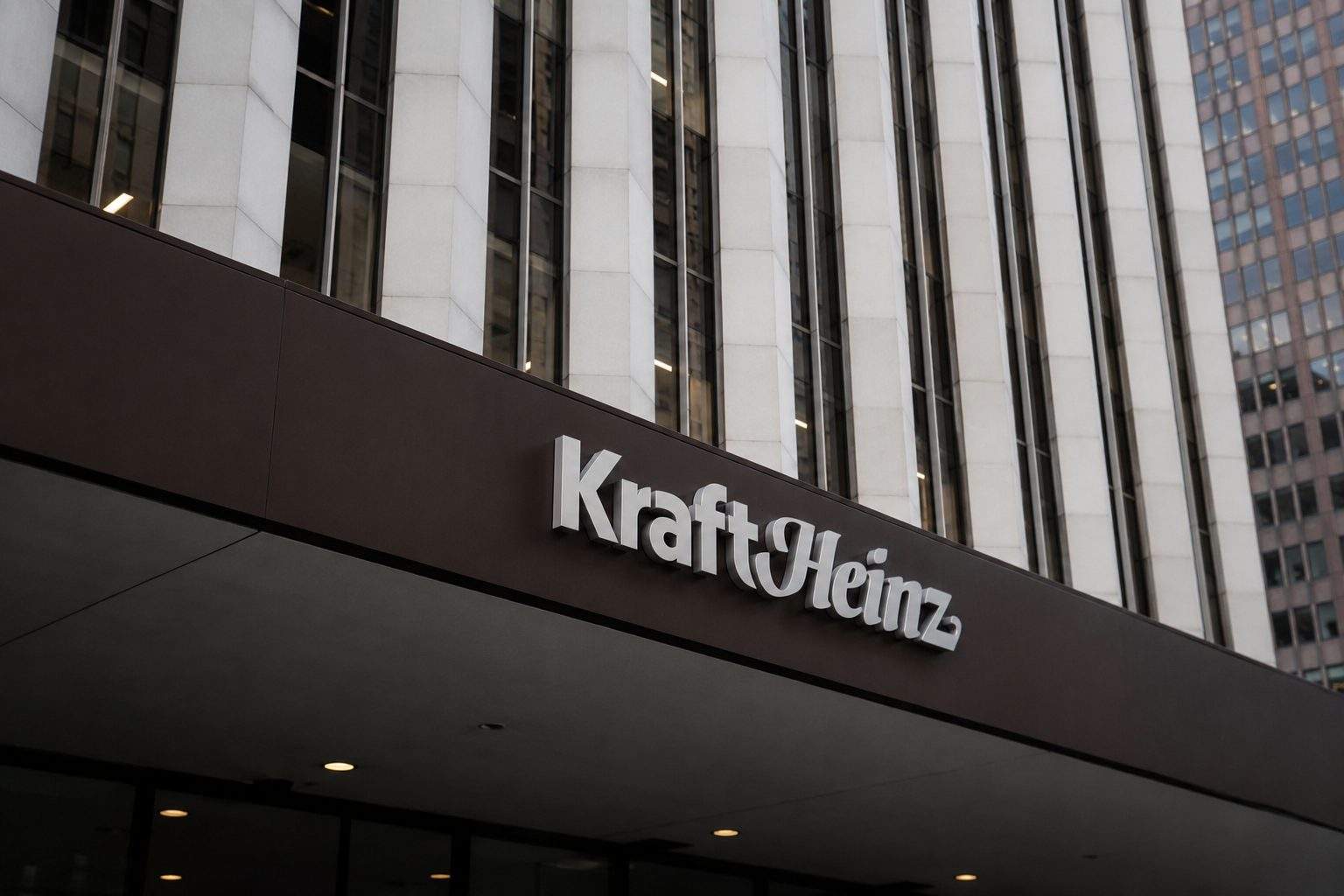
Kraft Heinz shares finished Friday at $24.39, up 0.70%. The stock traded from $24.09 to $24.41 during the session, according to market data. KHC outperformed on a strong day for U.S. stocks, with the S&P 500 up 0.50% and the Dow rising 0.70%. MarketWatch data showed Kraft Heinz in line with gains across the consumer staples group.
Kraft Heinz (KHC) has been working to win back investors after a rough patch for packaged-food names. Shares climbed Friday, building on a rally that started when KHC closed at $22.58 back on June 5 and pushed higher through June 12, according to stock-price data. Some traders could be chasing momentum here, but it’s not clear whether this move points to better business performance at Kraft Heinz or just a rebound in a popular defensive, high-yield stock.
Heinz and Heineken rolled out a campaign in the last two days. It’s a marketing push, not an earnings event. The move could keep Heinz in front of consumers, but for Kraft Heinz investors, numbers matter more—volume, margins, outlook. Kraft Heinz reported about $25 billion in 2025 net sales, with its portfolio including Heinz, Kraft, Philadelphia, Primal Kitchen and Lunchables.
Kraft Heinz is betting $600 million on marketing and R&D this year, part of CEO Steve Cahillane’s push to turn the business around. Cahillane told Reuters he wants to rebuild innovation and bring the U.S. business back. “Next year is going to be better because we’ve put a lot of changes in place around the R&D, around process improvement, around resource allocation that will lead to a better innovation pipeline for 2027 than we had in 2026,” Cahillane said in a Reuters interview.
Kraft Heinz is pitching itself to bulls as a stock with a steady yield and some upside if management can pull off a turnaround. The board set the regular quarterly dividend at $0.40 per share, payable June 26 to shareholders of record on June 5. On an annualized basis, that comes to $1.60 per share—good for a roughly 6.6% dividend yield. The yield figure divides the annual dividend by the current share price. Free cash flow for the first quarter came in at $766 million, which is cash left after capital spending and is key for paying out dividends, debt, and reinvestment.
The main argument on the downside is the turnaround is costly and still hasn’t proved itself. Kraft Heinz reported organic net sales dropped 0.4% in the first quarter—this figure leaves out currency movement, deals, asset sales, and one extra shipping week. Adjusted operating income fell 11.8%. Kraft Heinz kept its 2026 forecast with organic net sales expected to drop 1.5% to 3.5% and adjusted EPS at $1.98 to $2.10. Adjusted EPS strips out items management calls non-core.
Analysts are still cautious. MarketBeat lists a “Reduce” consensus after 20 analyst ratings: 14 holds, five sells and just one strong buy. The average price target is $22.69, under Friday’s $24.39 close. Bernstein’s Alexia Howard lowered Kraft Heinz to Underperform on June 3, dropping the target to $21 from $25. She pointed to extra spending plans and financial pressure, TradingView/Stocktwits reported. MarketBeat
KHC is looking fairly valued to risky today, not clearly attractive even with the dividend. The next test is the upcoming quarterly earnings — investors want to see if the $600 million spend is helping market share and holding up volumes before higher costs start to hit profit again. “That’s not going to be a sustainable outcome after $600 million of investment,” BNP Paribas analyst Max Gumport told Reuters, pointing to soft recent U.S. volumes and sales. A stronger volume trend would help the bull argument, but more guidance cuts or squeezed margins would favor the bears. Reuters
Related articles: Stock Market