
New York, June 22, 2026, 10:05 EDT
- MARA jumped 12.8% to trade at $16.04, beating out bitcoin’s 2.1% move and gains in Riot Platforms and CleanSpark.
- The move followed the first full Nasdaq trading day after Friday’s Juneteenth holiday close. Bitcoin ETF flows last week stayed soft with institutional demand still looking weak.
- Operating leverage is a hidden catalyst here. Marathon Digital’s (MARA) reported bitcoin mark-up after Monday’s BTC move only explains around 7% of the stock’s gain in market value.
MARA Holdings NASDAQ:MARA climbed 12.8% to $16.04 in early trading Monday. The bitcoin miner got a boost as bitcoin traded near $65,380, up 2.1%. MARA outpaced crypto peers in the rebound—Riot Platforms was up 7.5%, CleanSpark gained 8.2%, and IREN rose 1.6%. Crypto stocks moved higher in a wide but mixed rally.
Timing is key. U.S. stock trading started up again Friday after Nasdaq stayed shut for Juneteenth. That was the first shot traders had at pricing bitcoin miners in regular cash sessions after a stretch where only crypto markets traded. Nasdaq says June 19, 2026 will be closed for Juneteenth, with normal U.S. hours listed as 9:30 a.m. to 4:00 p.m. Eastern time.
“Bitcoin up, miner up” doesn’t explain it all. MARA added about $686 million in market cap after the move, but a rally in bitcoin would only push up the value of its 35,303 BTC by around $47 million based on what it held on March 31. That’s just 7% of Monday’s stock-market gain. It points to traders valuing potential upside from future mining margins and MARA’s position in power and data centers on top of its bitcoin stash. SEC
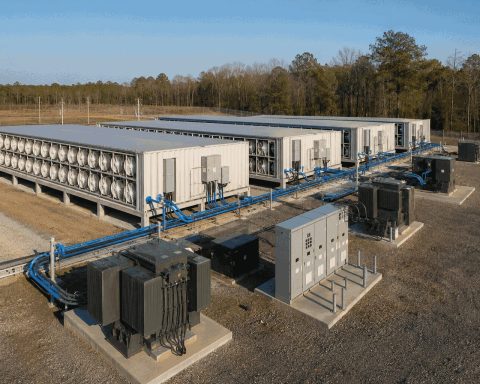
Miners sometimes move like leveraged bitcoin plays. The reason: when bitcoin jumps, revenue on mined coins goes up, but near-term power and machine costs stay mostly fixed. That’s the dynamic in this trade most miss. For MARA, there’s a second angle—its equity also gives exposure to power it owns or controls. That power could end up in artificial intelligence or HPC workloads, which need heavy data-center processing.
MARA’s Q1 results point to why shares are on edge. Revenue dropped 18% to $174.6 million. The company mined 2,247 bitcoin, while energized hashrate rose 33% to 72.2 EH/s. Purchased energy cost per bitcoin at owned sites came in at $40,047.
Institutional interest in bitcoin hasn’t removed miners’ concerns. Farside Investors’ U.S. spot bitcoin ETF table showed $96.7 million in net outflows on June 18, which is the last available update before Monday. There’s still no net flow number posted for June 22. ETF flows are tracked as a way to measure regulated demand for bitcoin from investors.
MARA has moved to reduce its reliance on bitcoin price swings. Reuters said in April that the company will acquire Long Ridge Energy & Power from FTAI Infrastructure for $1.5 billion including debt, picking up a 505-megawatt gas power plant in Ohio and over 1,600 acres. The company plans to use the land for a new data-center campus. CEO Fred Thiel told Reuters the location had “all the key components” for that and said the company had seen interest from hyperscaler tenants. Reuters
The company echoed this in its shareholder letter, calling control over power “the next phase” for digital infrastructure value and flagging connected energy as a constraint on AI compute growth. It said it retired around 30% of its convertible debt and sold about $1.5 billion worth of bitcoin in the quarter to buy back notes and cut down on a credit line. SEC
Monday’s rally looks different. Investors are pushing up shares of a miner with exposure to bitcoin upside, but also assets tied to power scarcity, AI demand and data-center leasing. That’s a break from pure crypto moves. MARA’s performance against Riot and CleanSpark is still relevant, but the widening gap in the share move shows the market is asking if MARA’s energy assets should get a higher multiple.
The trade can swing the other way fast. If bitcoin loses steam, ETFs keep seeing outflows, or Long Ridge approvals and tenant deals get delayed, MARA’s valuation could drop back to mining economics. The first quarter net loss had a $1.0 billion mark-to-market hit on digital assets, an accounting move to market prices, showing that balance-sheet bitcoin still runs reported results when prices fall.
Related articles: NASDAQ:MARA