New York, Feb 23, 2026, 14:38 ET — Regular session
- Brent and WTI slipped back around midday, though both benchmarks hovered close to their highest levels in six months.
- Risk premiums stuck around as U.S.-Iran nuclear negotiations and changes in U.S. tariff policy grabbed attention.
- Traders are holding out for the latest U.S. inventory figures and any new cues about supply and demand.
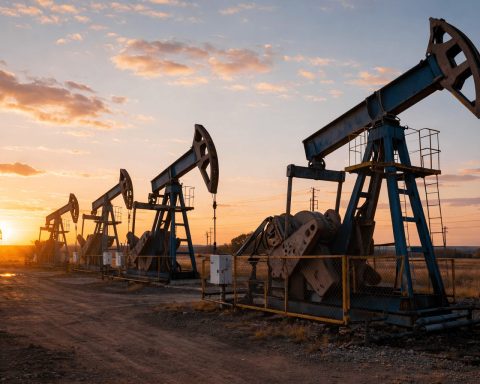
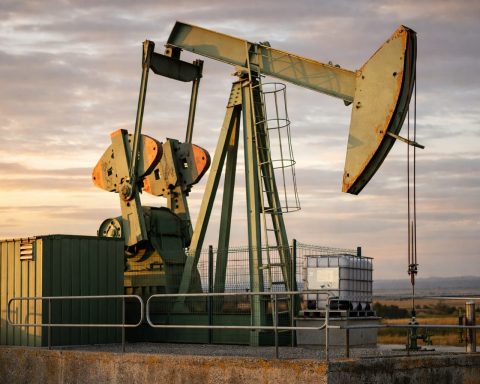
Oil slipped on Monday, though prices remained close to their highest levels in half a year. Brent lost 37 cents, or 0.52%, trading at $71.39 a barrel. U.S. WTI dipped 27 cents, or 0.41%, to $66.21 as of 12:44 p.m. ET. Ahead of Thursday’s talks, Iran hinted at possible concessions in return for sanctions relief, while a shift in U.S. tariffs rattled demand expectations. “That seemed to suggest that they are more open to talking about their nuclear program,” Price Futures Group analyst Phil Flynn said, noting the risk of military action against Iran persists. Reuters
Crude’s rebound is feeding straight into inflation now. Brent sits just 2% below where it was this time last year, tightening up the so-called “base effects” that had been cooling headline inflation when energy was pricier. Jamie McGeever at Reuters flagged the squeeze, and Gregory Daco of EY Parthenon figures a steady $10 surge in oil could bump annual U.S. inflation by as much as 0.2 percentage point. Atlanta Fed President Raphael Bostic isn’t ruling out fresh rate hikes if inflation threatens to “run away.” Traders are also eyeing the Strait of Hormuz, the vital waterway where about 20% of global oil supply travels through a narrow chokepoint. Reuters
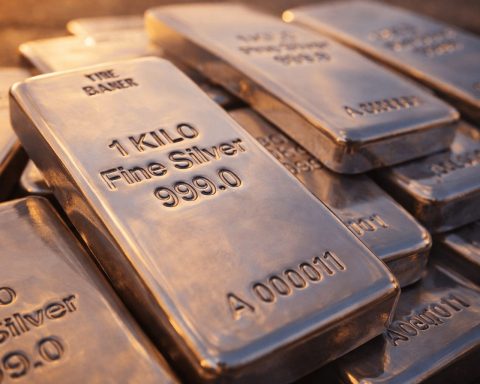
Beyond oil, traders pulled back. Equities worldwide slid, gold rallied, after President Donald Trump rolled out a short-term 15% global tariff using Section 122 of the Trade Act. The tariff piled more doubt on growth prospects and the outlook for energy consumption, although ongoing geopolitical tensions prevented crude prices from slipping further. Reuters
European energy stocks bucked the trend. The STOXX Europe oil and gas sector index climbed 1.5% by mid-afternoon in London, notching a record as Brent crude reached $72.44 earlier—its highest mark in six months—pushing the sector further into positive territory for the year. Reuters
Goldman Sachs bumped up its oil price targets for the fourth quarter of 2026, raising Brent to $60 per barrel and WTI to $56—a $6 increase—citing leaner-than-expected OECD inventories. Still, the bank sees a surplus sticking around that year, pegging it at roughly 2.3 million barrels a day. OPEC+—that’s OPEC plus Russia and other partners—should start ramping up output in the second quarter, Goldman said, since those stockpiles haven’t piled up yet. It did warn, though, that any sanctions relief for Iran or Russia could quickly push more supply onto the market and accelerate inventory growth. Reuters
Crude’s caught in a two-track narrative. Risk premium? That’s being dictated out of the Middle East. Yet tariffs, plus simmering growth worries, keep steering traders’ focus right back to demand.
Thursday’s U.S.-Iran talks carry a clear risk. If negotiators strike a breakthrough, the geopolitical premium could vanish fast. But if the discussions fall apart, traders may zero in on supply routes and sanctions—even if gas prices at the pump stay put that day.
Inventories take center stage next. The Weekly Petroleum Status Report from the U.S. Energy Information Administration drops Wednesday—core tables will post after 10:30 a.m. Eastern. This release tends to move markets, given its tracking of crude and fuel inventories, refinery activity, and implied demand. U.S. Energy Information Administration
Refined products are firmly on oil traders’ radar, with cold snaps able to drive up demand quickly. They’re also awaiting more details from Washington about how its tariff changes will roll out.
All eyes now turn to Thursday, Feb. 26, as the U.S. and Iran prepare for another round of talks. Wednesday’s inventory numbers will lay the groundwork heading into that meeting.