
San Diego, May 27, 2026, 08:04 (PDT)
• Qualcomm has landed a deal to provide AI data-center chips to ByteDance, the parent of TikTok, according to media reports. That would give Qualcomm a major early customer for its custom AI silicon. Bloomberg Law
• ByteDance is increasing its spending on AI infrastructure, and Qualcomm is looking to expand past smartphones, making the timing key for both sides. South China Morning Post
• Still, neither Qualcomm nor ByteDance has fully confirmed the deal. Any sales must stay within U.S. export controls.
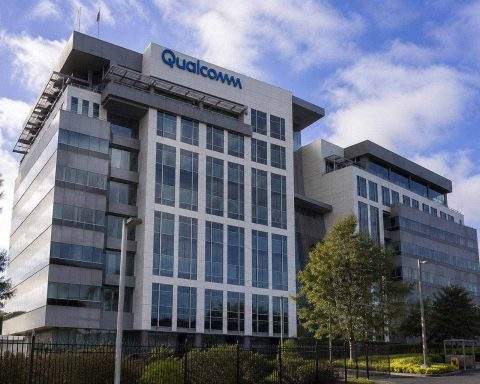
Qualcomm Inc. will provide chips for ByteDance Ltd.’s AI data centers, Bloomberg News said. The deal gives the San Diego chipmaker a foothold with TikTok’s parent as Qualcomm tries to grow outside its main smartphone business.
ByteDance plans to buy millions of Qualcomm’s application-specific integrated circuits, Bloomberg reported, citing sources. The ASICs are custom chips for specialized computing and will support ByteDance’s AI agent software.
ByteDance is increasing its AI infrastructure spend this year, planning to invest over 200 billion yuan—about $30 billion—the South China Morning Post reported. The move comes as memory prices climb and Chinese tech companies put more capital towards local chip supply.
Qualcomm investors now have a name tied to the company’s data-center ambitions after executives had mostly talked about the plans in vague terms. Chief Executive Cristiano Amon told investors last month the “rise of AI agents” is shifting Qualcomm’s roadmap, adding that a custom silicon project with a top hyperscaler stays set for shipments before year end. SEC
Qualcomm shares spiked as much as 8.3% to a new intraday high Tuesday after Bloomberg’s report, but the move didn’t last. By Wednesday morning in U.S. trading, the stock traded at $226.44, off about 9% from the prior close after hitting $254 earlier in the session, according to market data.
Qualcomm’s main business has been chips for Android phones and wireless products, but that hasn’t been enough to fuel growth on its own anymore. In fiscal Q2, Qualcomm reported a 13% drop in handset revenue in its chip unit year over year. Automotive revenue was up 38%, and internet-of-things revenue increased 9%.
If ByteDance goes through with the order as reported, Qualcomm would move deeper into the custom AI chip segment. Broadcom and Marvell have stronger data-center spots here, and Nvidia is still the top name in advanced AI computing.
Qualcomm is developing three kinds of data center chips with customers, CEO Amon told Reuters in April: CPUs, inference accelerators, and custom ASICs. Inference is when a trained AI model gets used to answer questions or perform tasks.
Qualcomm CEO Cristiano Amon told investors, “We have engagement on a custom ASIC,” pointing to Qualcomm’s Alphawave acquisition, which was aimed at boosting chip design and connectivity tools. Reuters
Bob O’Donnell, president and chief analyst at TECHnalysis Research, told Reuters Qualcomm is “building from a small base.” But he said expanding its data-center lineup pointed to a sign the company’s strategy was maturing. Reuters
ByteDance is feeling the push, too. Its Doubao chatbot ranked as China’s top AI chatbot by downloads most of last year, Bloomberg Intelligence told Bloomberg. More users push up compute needs and put pressure on ByteDance to get chips as sourcing rules tighten.
Deal details include a manufacturing component. Bloomberg reported ByteDance could take a finished internal chip design to production, while Qualcomm plans to use partners like Taiwan Semiconductor Manufacturing Co. for chip fabrication.
Qualcomm’s reported deal with ByteDance is limited in scope. Qualcomm would not comment to Bloomberg, and ByteDance did not reply. Reuters noted it could not confirm the story. Bloomberg added that Qualcomm’s partners have to keep the chips within current U.S. legal limits for AI chips used by Chinese companies like ByteDance.
Related articles: NASDAQ:QCOM