
New York, May 25, 2026, 18:01 EDT
- U.S. markets did not open for Memorial Day. Nasdaq will start up again Tuesday at 9:30 a.m. Eastern.
- Quantum Computing Inc. closed at $12.31 Friday, gaining 7.89% on the day. The stock is up around 17% from where it ended last Friday.
- Investors jumped into quantum stocks after Reuters said the U.S. plans a $2 billion sector push. QUBT had just updated on acquisitions and first revenue, though its operations are still small.
Quantum Computing Inc. faces a new test when trading resumes Tuesday. The stock surged ahead of the holiday weekend, part of a quantum sector rally sparked by U.S. government spending plans. Reuters did not list the company among funding recipients.
The stock ended Friday at $12.31, up 90 cents on the day, a 7.89% jump. About 67.5 million shares changed hands. For the week, shares gained nearly 17% from last Friday’s $10.51 close. The Nasdaq Composite added just 0.5% over the same stretch.
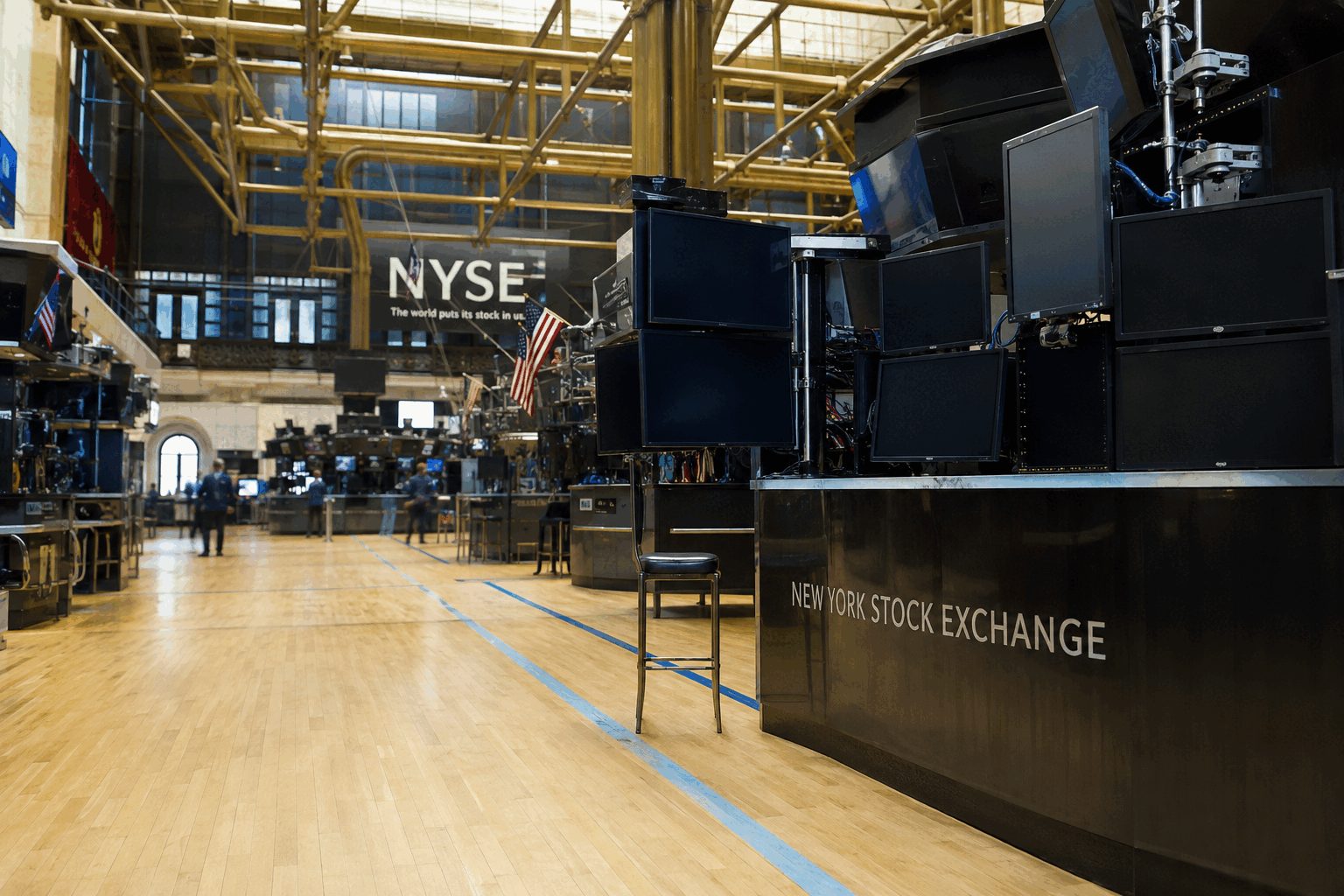
Markets in the U.S. were closed Monday for Memorial Day, which left investors unable to act as some names that trade more on funding or technical momentum than earnings faced new signals. Nasdaq marks May 25 a market holiday, trading hours stay 9:30 a.m. to 4 p.m. Eastern.
Trump’s White House is moving to grab $2 billion in equity in nine quantum computing firms, including a fresh IBM venture, Reuters reported last week. The aim is to give a lift to U.S. muscle in quantum tech, which policy makers say matters for drug development, finance, and cryptography.
IBM will get $1 billion to launch Anderon, a quantum-chip company in New Albany, New York, Reuters said. D-Wave Quantum and Rigetti Computing are each in line for about $100 million. IBM CEO Arvind Krishna told Reuters the new company’s outside users will have “the exact same capability that we have for ourselves.” Reuters
Quantum Computing Inc., or QCi, is looking to stand out in another part of the sector. The Hoboken, New Jersey company calls itself a quantum optics and integrated photonics shop. In other words, it develops chips and systems that use light to process or transmit data with less energy than standard electronics.
QCi’s last big update was May 11. The company posted first-quarter revenue of $3.7 million, up from $39,000 a year ago. QCi said the jump was mostly due to its February takeover of Luminar Semiconductor, with some lift from buying NuCrypt in March. Net loss for the quarter came in at $4.1 million. Operating expenses totaled $19.8 million. Cash and investments stood at roughly $1.4 billion on March 31.
Quantum Computing Inc. CEO Yuping Huang said in the release the company made “significant operational progress” for the quarter and was working on “accessible, scalable, and affordable quantum machines and photonic solutions.” Huang said the acquisitions brought in new laser, detector and advanced packaging technology. Quantum Computing Inc.
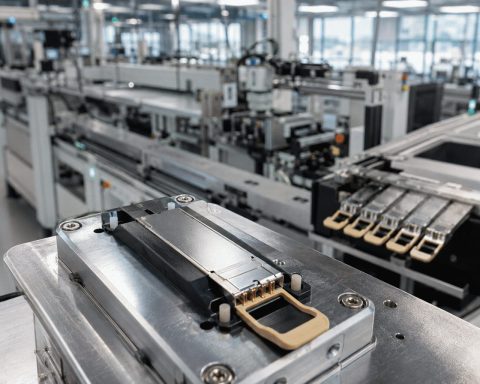
QCi presented an investor deck at a May 13 conference and then posted it to its website on May 14, according to a May 18 SEC filing. The deck said the company is ramping up small-batch manufacturing at its Fab 1 photonic-chip foundry and has started to plan Fab 2, which it said should handle higher-volume production in coming years.
The company reported a contract backlog of around $16 million at the end of the first quarter. Backlog refers to work under contract but not yet counted as revenue. Investors are looking to see what portion of that will actually show up as reported sales instead of just sitting in the pipeline.
But the risk is clear. QUBT’s jump is tied in part to a sector trend, with IBM, Rigetti and D-Wave more directly linked to government funding. QCi’s own first-quarter revenue stayed small and was mainly from deals. Reuters pointed out quantum computing tech still runs into big issues, like high error rates that limit use. For QCi, any holdup turning foundry work, photonics or backlog into repeat sales could pressure a stock now valued near $2.8 billion.
Narrow setup this week. When Nasdaq comes back Tuesday, buyers need to show if Friday’s pop was just holiday action or something stronger, and the company still needs to show its photonics buildout can go further than early sales and roadshow pitches.
Related articles: NYSE:IBM