New York, January 31, 2026, 12:18 PM EST — Market closed
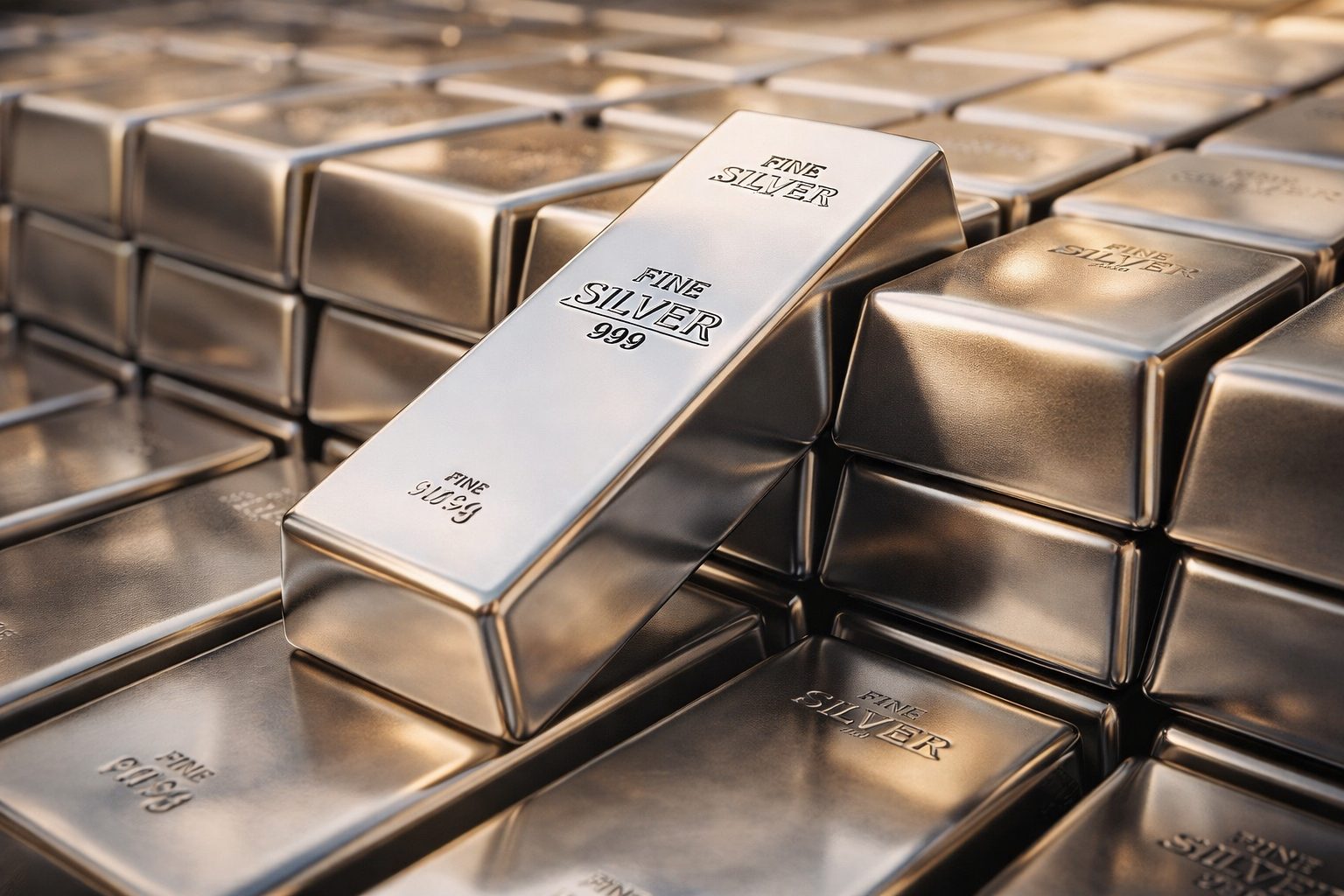
- Silver plunged over 25% on Friday, ending its scorching streak to record highs.
- COMEX March silver hovered around $85/oz; silver ETF SLV suffered a sharp one-day plunge
- Attention shifts to U.S. jobs data set for Feb. 6, with inflation figures expected to guide the next rate move
Silver prices enter next week deep in the red, hammered by a steep selloff on Friday. Investors are rethinking the U.S. interest rate path and the dollar’s trajectory after President Donald Trump announced his pick for the next Fed chair.
This move is significant because silver turned into a crowded momentum play in January, buoyed by a softer dollar and strong haven demand. A drop this sharp in a single day usually triggers rapid de-risking, particularly among leveraged futures and options positions.
It comes right before a batch of U.S. data that could shift rate expectations. When rates are expected to rise, the dollar typically strengthens, making yield-bearing assets more attractive—a challenge for precious metals.
Spot silver plunged 26% to roughly $86.60 an ounce on Friday, after soaring past $120 the day before. Spot gold also slid, dropping about 9% to $4,905, according to Investopedia. Jeff deGraaf, chairman and head of technical research at Renaissance Macro Research, noted that “parabolic moves have hair triggers,” cautioning that steep reversals can strike quickly when trading is driven by sentiment. Investopedia
On the futures front, the most-active COMEX silver contract (SIH6) at CME last traded at $85.250 an ounce, plunging 25.50% during the session. Meanwhile, in the equity space, iShares Silver Trust (SLV) dropped to $75.44, some $30 below its previous close. SPDR Gold Shares (GLD) also slid, last seen at $444.95, down about $50 for the day. CME Group
Traders saw the decline as partly profit-taking and partly a scramble to reduce risk following the Fed chair’s headline breaking. Since silver trades in dollars, a stronger greenback pushes up costs for buyers dealing in other currencies.
There’s a mechanical angle too. Sharp price drops trigger margin calls, forcing funds to offload contracts just to free up cash, which can deepen the decline even if the bigger picture hasn’t shifted much.
The next move won’t be straightforward. If this shift is driven mainly by forced selling, silver could bounce back sharply once the pressure eases. On the flip side, a fresh rise in U.S. rates—or another surge in “real yields” (bond yields after inflation)—could keep weighing on metals that don’t pay interest.
Markets are closed for the weekend, so the next clues will emerge when futures kick off again and U.S. stocks resume trading. Investors will be focused on whether the big swings in SLV and other metals-related products trigger more selling or prompt bargain hunting.
The key data points this week are the U.S. Employment Situation report for January, set for Friday, Feb. 6 at 8:30 a.m. ET, and the Consumer Price Index for January, due Wednesday, Feb. 11 at 8:30 a.m. ET. Bureau of Labor Statistics