
New York, June 21, 2026, 14:03 (EDT)
- SoFi finished Tuesday at $17.91, gaining 2.8% for the session and running about 8.0% higher for the holiday-shortened week.
- U.S. markets did not open Friday for Juneteenth. The most recent regular session was Thursday, with the Nasdaq’s last close still standing.
- SoFi shareholders on June 18 re-elected the company’s board, approved executive compensation in an advisory vote, and ratified Deloitte as auditor, according to a filing.
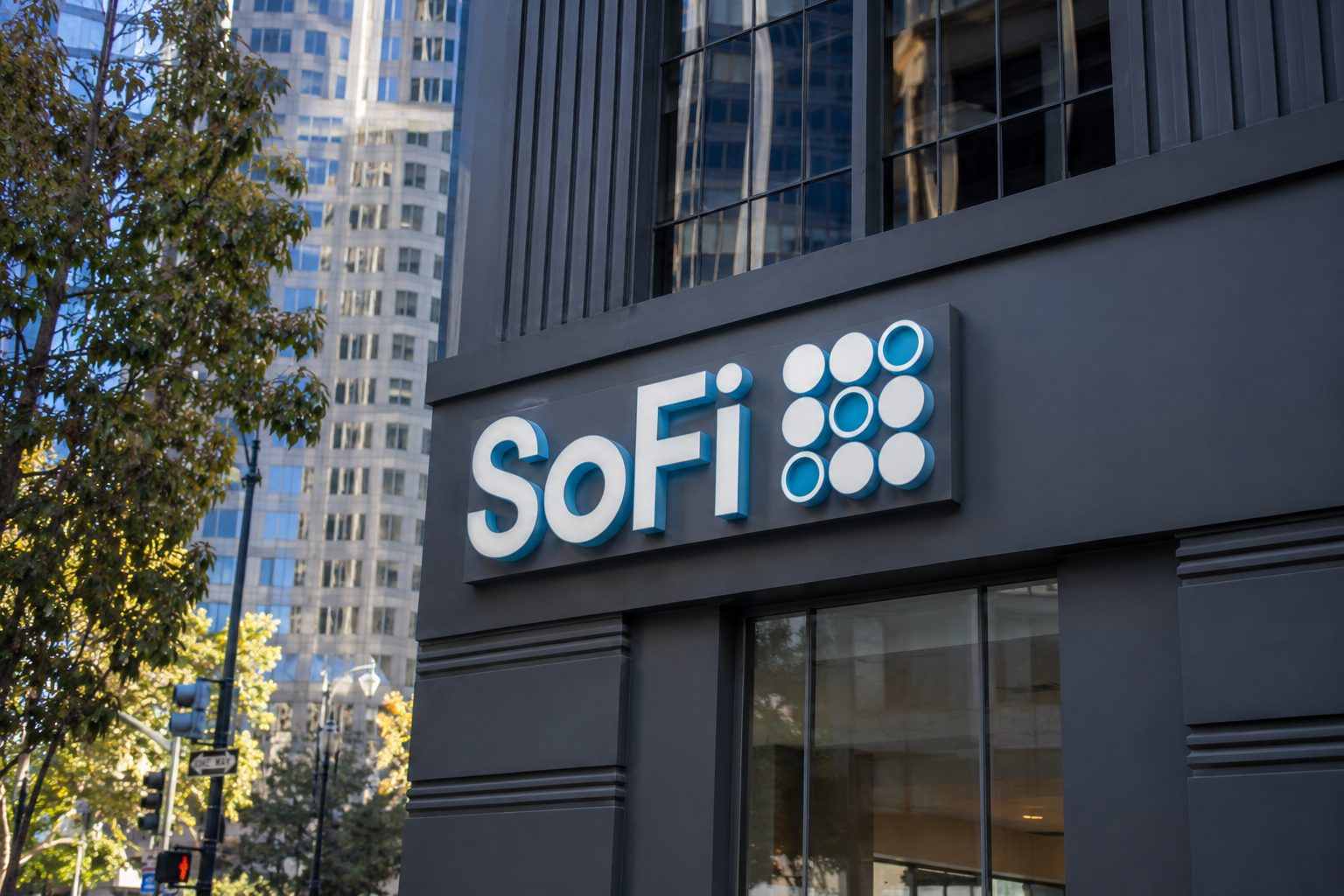
SoFi Technologies shares picked up steam heading into the week, closing at $17.91 on Thursday, a 2.8% gain in the last U.S. session before the Juneteenth holiday. The digital lender ended last week at $16.58, so SoFi added about 8% over the four sessions.
SoFi is now behaving more like a high-beta fintech stock than a standard lender, tied to swings in risk appetite, rate moves and consumer credit sentiment. Gains in the broader market padded things: the Nasdaq Composite jumped 1.91% on Thursday and finished the week up 2.43%. The S&P 500 added 0.93% for the week, helped by weaker oil prices and chip stocks, even as worries about more Fed rate hikes returned.
SoFi’s latest news wasn’t about results, but board business. The company said in a Form 8-K that shareholders elected 10 directors, including CEO Anthony Noto. They gave a non-binding OK to exec pay — that’s advice for the board, not a mandate. Deloitte & Touche stays on as auditor for 2026. No other items were up for a vote.
SoFi stock bounced back following a rough April. Shares dropped after Q1 results when the company kept its 2026 revenue forecast steady, even as loans and members hit records. William Blair’s Andrew Jeffrey said SoFi didn’t push Q1 gains into its guidance. CEO Noto told Reuters, “the health of our consumer base remains strong.” Reuters
Strong first-quarter results show why investors are sticking with SoFi. The company posted net revenue of $1.10 billion, a 43% increase from last year, net income came in at $166.7 million, and adjusted EBITDA totaled $339.9 million. Adjusted EBITDA, SoFi’s preferred profit metric, removes interest, taxes, depreciation and amortization as well as some other items. Investors watch this as a gauge of how the business is running, but it doesn’t match up with net income.
SoFi is looking past loans with its new push. The company launched SoFiUSD, a stablecoin pegged to the dollar, for its members in May. The token is meant to match the U.S. dollar’s value. SoFi warned that digital assets aren’t FDIC insured, lack a bank guarantee and may fall in value.
SoFi launched SoFi Coach, an AI financial guide, for SoFi Plus members this month. Brian Walsh, head of advice and planning at SoFi, said “foundational financial support” shouldn’t be a luxury. The company said Coach’s responses are informational, not financial advice, and could have errors. SoFi
Peers also traded higher as risk appetite returned. Robinhood ended up, and lenders LendingClub and Upstart rose too. SoFi’s gain this week is about the company and the move in fintech and credit sentiment.
The next move likely needs clearer proof. More hawkish rate bets, rising loan losses, or weak performance from SoFi’s AI and digital-asset offerings could drive investors back to the post-earnings worry: fast growth matters, but without better guidance and credit, it may not be enough.
Traders will get to see this week if Thursday’s rally was a real shift or just light trading before the holiday. Markets are back after the long weekend. SoFi faces a tug-of-war: buyers chasing growth names in fintech, but also investors looking for proof the company can keep growing without piling on more credit or regulatory risk.
Related articles: NASDAQ:SOFI





![US Stock Market Today 08/24/2026 [UPDATE: 02:06 EDT] [Memory Rout Accelerates as Micron and Sandisk Losses Double]](https://ts2.tech/wp-content/uploads/2026/08/US-market-dashboard-2026-08-24-0203-480x384.jpg "US Stock Market Today 08/24/2026 [UPDATE: 02:06 EDT] [Memory Rout Accelerates as Micron and Sandisk Losses Double]")