
NEW YORK, July 22, 2026, 18:06 EDT
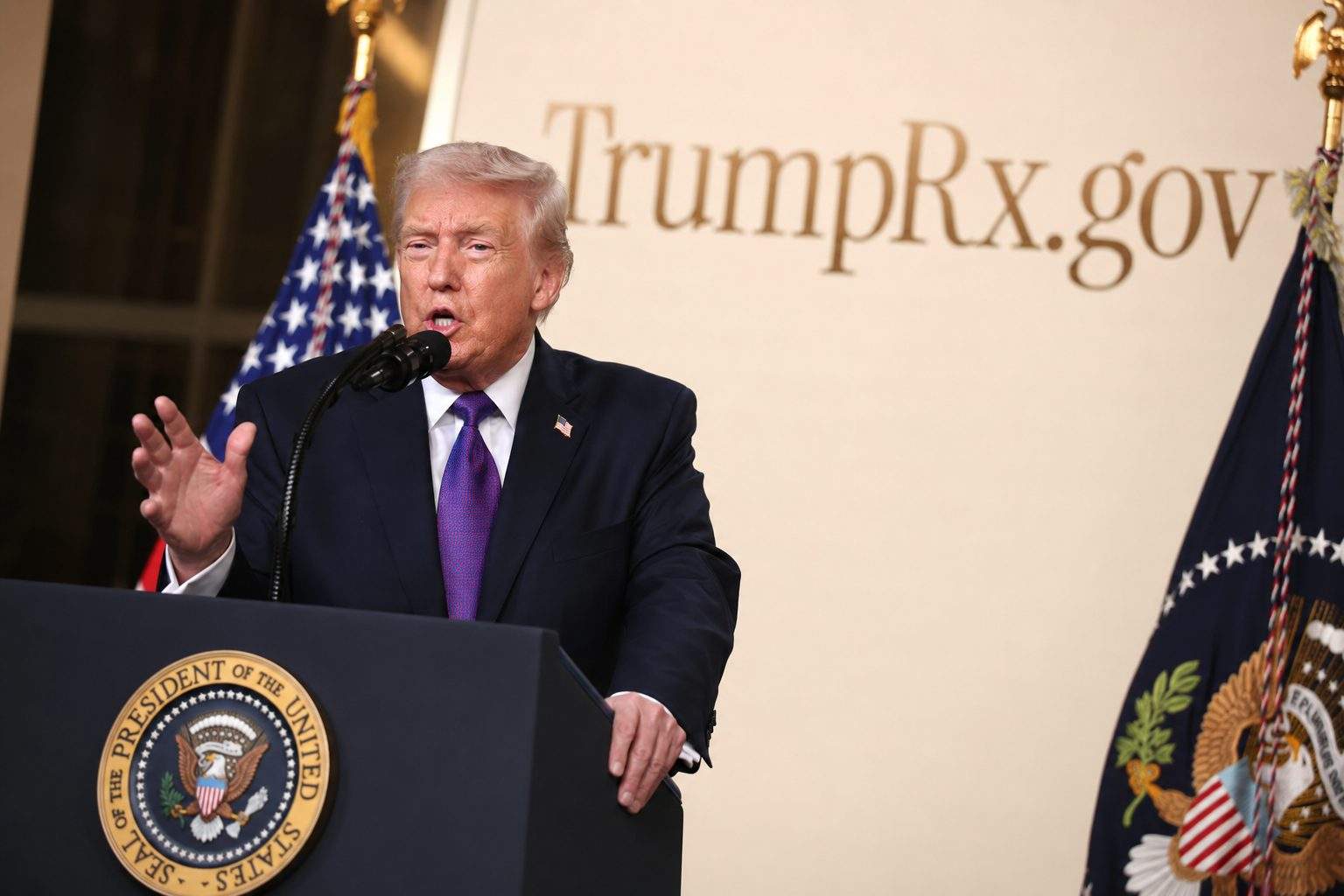
- The administration reports that TrumpRx includes coverage for over 800 medications. The program’s active website displays 79 negotiated brand agreements.
- Shares of Teva NYSE:TEVA dropped 3.9%, while Viatris NASDAQ:VTRS declined 3.3%. Pfizer NYSE:PFE and Gilead NASDAQ:GILD traded close to unchanged.
- Teva is set to deliver its next earnings report on July 29, representing the sector’s upcoming test.
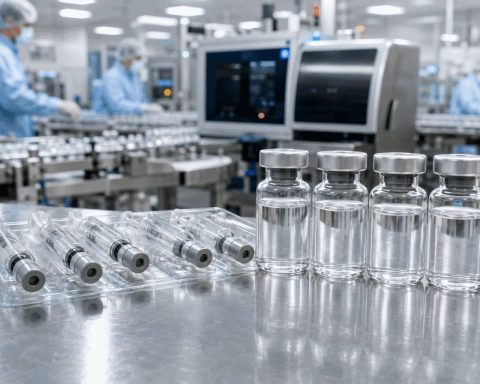
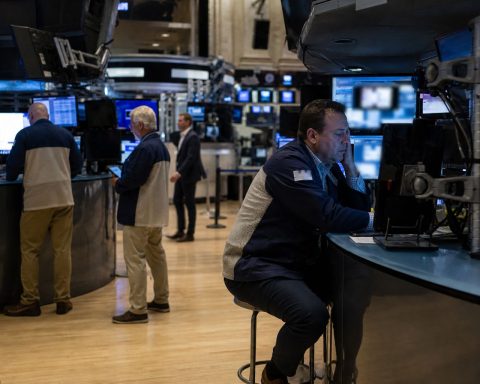
Shares of U.S. generic drugmakers declined on Wednesday after President Donald Trump announced a schedule for new tariffs. Generic drugs brought into the U.S. could see tariffs reaching 200% starting in 2029. U.S. cash markets were shut.
The shift is significant as TrumpRx’s volume is now mostly concentrated beyond negotiated branded medications. According to the administration, the platform surpassed 800 medicines in June. The active website now lists 79 “presidential deals” for brand-name drugs. Fox News
An initial catalogue estimate suggests these deals represent less than 9.9% of the overall total. No less than 90.1% falls outside that specific brand-deal category. The remainder largely consists of generics.
Investors responded to the tariff proposal as a sector-wide development. Shares of Teva declined 3.9%, with Viatris down 3.3%. Sandoz SWX:SDZ dropped approximately 3% in Zurich. Pfizer eased 0.4%, and Gilead closed close to flat.
Final closing values reflect the split. Returns for five sessions are calculated from July 15 closing figures.
| Security | July 22 close | Wednesday | Since July 15 |
|---|---|---|---|
| Teva | $30.15 | fell 3.9% | dropped 4.5% |
| Viatris | $17.01 | lost 3.3% | gained 2.0% |
| Pfizer | $24.82 | slipped 0.4% | unchanged |
| Gilead | $130.34 | flat | down 1.0% |
| S&P 500 | 7,498.96 | eased 0.1% | off 1.0% |
The S&P 500 edged down 0.14% on Wednesday. The pronounced single-day move indicates selling driven by policy factors. Over the last five sessions, the pattern was more mixed.
Trump announced that generic imports will be exempt from duties for two years starting August 1. Tariffs will increase to 100% in August 2028, and will climb to 200% the following year. There is no change to the policy for branded drugs.
Major branded drugmakers have also obtained exemptions via pricing deals with the government. This results in their shares being subject to a distinct tariff scheme. Over 90% of medications sold in the United States are generics.
John Murphy III, chief executive of the Association for Accessible Medicines, said that “structural problems in both purchasing and reimbursement” continue to hold back U.S. growth. The industry is pursuing changes through both legislation and regulation. Reuters
Roughly 22% of Sandoz’s sales come from North America, despite minimal production in the region. Analyst Stefan Schneider said bringing manufacturing back to the U.S. would likely push up U.S. generic drug prices.
TrumpRx began in February by introducing 40 branded drugs. Over 600 generics were included in May. Numerous deals are not covered by insurance and do not apply to deductibles.
NPR reported 92 brand-name drug discounts as of July 14. Now, the official website lists 79 medications under presidential deals. Categories and update timestamps are not the same.
The group of 17 manufacturers collectively makes over 800 different branded medicines. Pfizer did not include upwards of 100 of its brands in TrumpRx. When NPR carried out its review, Gilead had yet to have any drugs available on the site.
Ben Rome, a researcher at Harvard Medical School, described the involvement as “a little bit more for show.” This reduces the platform’s near-term revenue potential for branded drug makers. KERA News
TrumpRx reports user savings exceeding $400 million, a number NPR could not independently confirm. The White House has not released data on patient numbers or overall use.
The past week delivered mixed results. Viatris held 2.0% higher than its closing level on July 15. Meanwhile, Teva closed down 4.5%, ahead of its quarterly earnings release.
Teva is set to release earnings on July 29 at 7 a.m. EDT. The company faces scrutiny from investors, who will gauge if branded drug growth is sufficient to counteract generic segment declines. In the first quarter, Teva’s strong profit was supported by branded products amid weaker generics.
Risks: The tariff timeline starts in 2028 and may be revised. Costs could be reduced through exemptions or added U.S. capacity. TrumpRx figures also shift depending on category and timing.
At present, generic import exposure offers a clearer signal for investors. The divide was evident by Wednesday’s close.
Related articles: NYSE:PFE