
NEW YORK, Jan 5, 2026, 09:25 (EST)
U.S. energy shares surged in pre-market trading on Monday after President Donald Trump pledged to unlock Venezuela’s oil reserves following the U.S. capture of Venezuelan President Nicolás Maduro. Chevron was up about 7%, while Exxon Mobil and Halliburton also climbed.
Oil prices, however, barely moved as traders focused on what changes now versus what might take years. Brent crude futures were up 37 cents to $61.12 a barrel and U.S. West Texas Intermediate gained 41 cents to $57.73, with the U.S. embargo on Venezuelan oil still in place and OPEC+ holding its output policy steady.
That split between stocks and crude reflects the same tension the market is trying to price: a huge resource base against a slow path to turning it into barrels. JPMorgan and Goldman Sachs analysts said any recovery would likely be gradual and heavily dependent on how U.S. sanctions policy evolves, even as longer-term scenarios point to rising Venezuelan supply over the next decade.
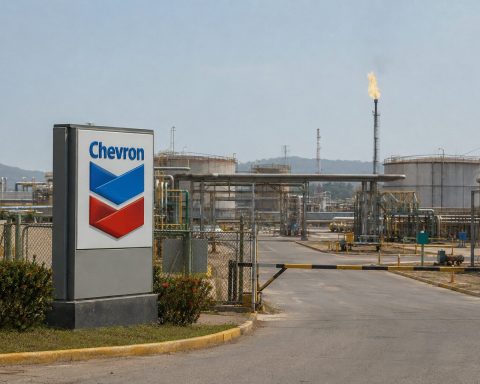
Investors piled into companies seen as early beneficiaries if Venezuela’s oil sector opens up. Chevron, the only U.S. major currently operating in Venezuela, rose 6.5% in premarket trading, while refiners including Marathon Petroleum, Phillips 66 and Valero Energy gained between 4% and 11%. Venezuelan crude is heavy sour — a thicker grade with higher sulfur content — and analysts say it fits many U.S. Gulf Coast refineries built to run that type of oil: “This type of crude aligns well with the configuration of U.S. Gulf Coast refineries which were historically designed to process such grades,” said Ahmad Assiri, a research strategist at Pepperstone. Reuters
Washington is also signalling that a return to Venezuela would come with a price tag for the companies involved. White House and State Department officials have told U.S. oil executives they would need to move quickly and bankroll large investments themselves if they want to pursue compensation tied to assets expropriated under late leader Hugo Chávez, according to people familiar with the outreach.
In the near term, Venezuela’s state-run PDVSA has started cutting crude production as the U.S. export blockade clamps down and storage fills, according to sources. More than 17 million barrels of oil were stuck in ships waiting to depart, and even Chevron cargoes bound for the United States have halted since Thursday despite the company’s U.S. license, shipping data showed.
Enforcement is another moving piece. About a dozen tankers loaded with Venezuelan crude and fuel have left the country’s waters in dark mode — with transponders switched off — since the start of the year, documents and industry sources said, and most were sanctioned supertankers that typically carry crude to China.
Venezuela’s oil industry, once a global heavyweight, now faces a rebuild effort measured in years, not weeks. The Associated Press reported that the country holds about 303 billion barrels of proven reserves but produces roughly 1.1 million barrels per day, and that boosting output materially would require major capital and political stability that foreign companies will want to see first.
Oil also sits at the center of a longer U.S.-Venezuela relationship that has repeatedly swung between commerce and confrontation. El País reported that Trump has framed Venezuela’s reserves as a funding source for the operation and said Washington would control the country until a transition is in place.
Related articles: NYSE:CVX