
WASHINGTON, May 28, 2026, 08:01 EDT
- The Trump administration is looking at potential funding for U.S. drone firms like Unusual Machines and Neros, which has backing from Sequoia Capital, the Wall Street Journal said.
- The report dropped as drones take up a larger slice of the Pentagon’s budget, with over $74 billion suggested for drone and counter-drone tech in fiscal 2027.
- Talks aren’t final. Reuters said it could not immediately verify the Journal’s report.
Trump administration is talking with several U.S. drone companies about funding, including Unusual Machines and Neros, sending small defense-technology shares up sharply in premarket trade, the Wall Street Journal reported. Debt and equity proposals are on the table, so loans and government stakes could be part of the plan, Reuters said, citing the Journal.
Drones are showing up in the Pentagon’s spending now, not just on the battlefield. The fiscal 2027 request is $1.5 trillion in total, with the budget stating more than $74 billion will fund drone and counter-drone tech. That’s triple last year’s amount and the biggest push for the sector yet.
Washington could soon go past using contracts and start direct support for drone makers. The White House ordered agencies last year to buy more U.S.-built unmanned aircraft systems, or UAS. The move pushed for more production in the U.S., higher exports, and more Pentagon spending on cheaper drones.
Unusual Machines saw a sharp move in early trade. The Orlando, Florida drone parts maker’s stock was up 39% premarket to $26.30, according to The Journal. Reuters had shares up 37% before the open. Donald Trump Jr. is listed as a shareholder and on the advisory board, both news outlets reported.
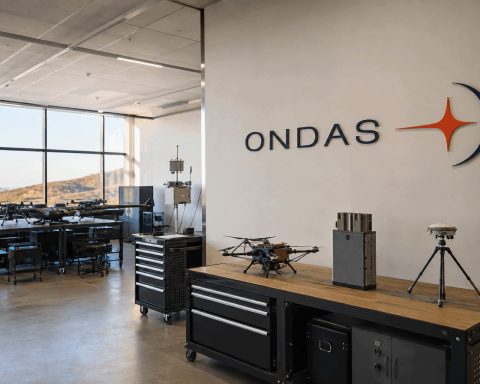
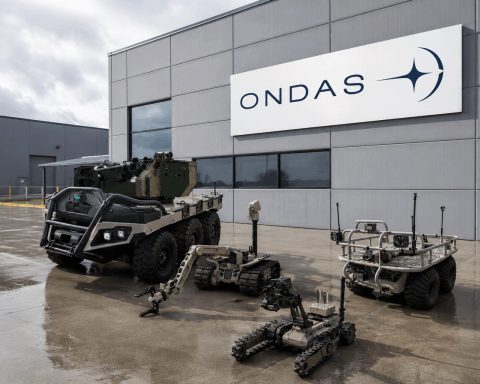
Other drone shares moved as well. Stocktwits, in a story on Yahoo Finance, said Unusual Machines, Ondas, Red Cat and Kratos climbed between 2% and 20% overnight on the funding news. Red Cat builds small drones for battlefield surveillance, Kratos manufactures bigger autonomous aircraft, and Ondas has been moving into defense software after buying Omnisys.
WSJ reported that Performance Drone Works, Unusual Machines and Neros Technologies are being considered. Performance Drone Works has a U.S. Army reconnaissance-drone deal. According to Reuters, the talks have stretched for months and involve both private sector players and the Pentagon’s Office of Strategic Capital, which lends to support key national-security supply chains.
Unusual Machines has been looking to get bigger. CEO Allan Evans told shareholders this month the company pulled in $8.1 million in revenue for the first quarter, up 296% from last year. Headcount hit 141 at the end of March, up from 81 at the end of 2025. But Evans wrote Unusual Machines is still “much too small” and will keep trying to grow to meet rising demand for domestic drone parts. ACCESS Newswire
Unusual Machines is seeing the hit from its growth. Gross margin dropped to 32.8% in the first quarter as the company ramped up manufacturing hiring. GAAP operating loss came to around $7.3 million, but investment gains helped net income. Unusual Machines finished March with about $222.9 million in cash after raising $150 million in an equity financing.
Powerus said Wednesday it made it into Phase II of the Pentagon’s $1 billion Drone Dominance Program with its MatrixFold drone system. Powerus, which wants to merge with Aureus Greenway and is a partner of Unusual Machines, said, “The math of war has changed,” quoting Andrew Valkenburg, executive VP of technology and manufacturing. He pointed to the spread of cheap first-person-view drones. GlobeNewswire
Funding talks are still up in the air. Reuters said it hasn’t been able to confirm the Journal report, and requests for comment from the White House, Pentagon, and involved firms hadn’t been returned. A government equity stake may face extra scrutiny, with Unusual Machines connected to the Trump family, and the companies still have to show they can build at scale for the military without hurting margins.
Powerus has said its Drone Dominance Program might change, get cut back, or even be scrapped, and pointed to possible manufacturing shortfalls. That’s what traders face before the bell: Washington is pushing for more drones, but who actually wins, the terms, and the cost of making them are still up in the air.
Related articles: NASDAQ:ONDS