
New York, April 22, 2026, 04:58 (EDT)
U.S. stock futures climbed early Wednesday, snapping back after President Donald Trump announced plans to extend the Iran ceasefire indefinitely. The move appeared to offer a measure of relief for traders rattled by Tuesday’s declines. Around 4:13 a.m. EDT, futures linked to the major indexes pointed higher: Dow up 0.48%, S&P 500 advancing 0.57%, and the Nasdaq 100 ahead by 0.76%, according to delayed pricing. Reuters reported the Strait of Hormuz remained closed, with oil hovering just under $100 a barrel.
This April rally faces fresh scrutiny on three fronts: the Gulf situation, inflation, and earnings. According to Reuters’ Morning Bid, the ceasefire headlines should keep risk appetite steady, but investors are shifting their focus back to company results and data points now that U.S. stocks have clawed back March declines.
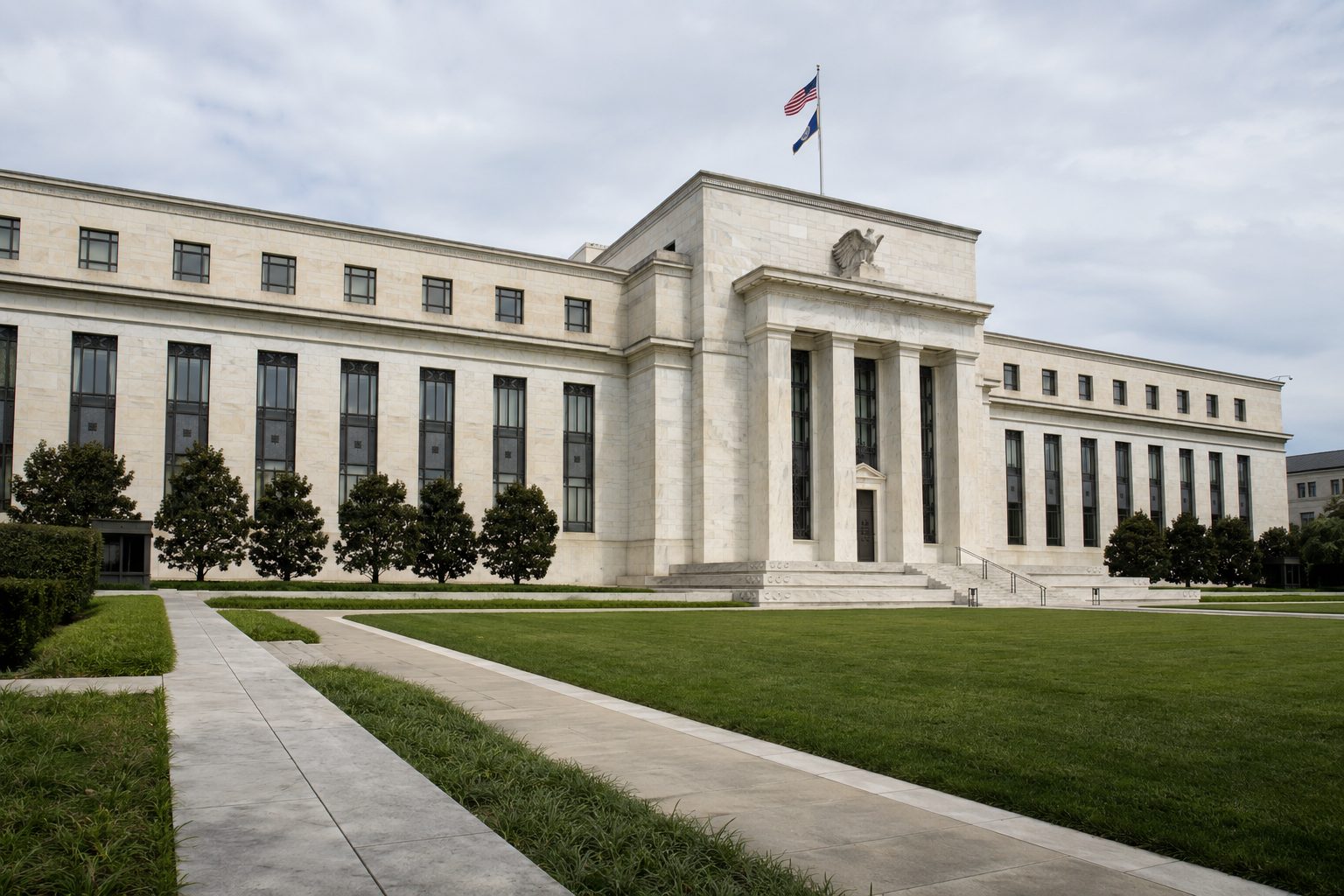
The bid came in messy. Over in the FX space, Dominic Bunning at Nomura—he heads up G10 FX strategy—flagged that conviction was “tough” right now. Junya Tanase, who runs Japan FX strategy at JPMorgan Chase & Co in Tokyo, described Fed nominee Kevin Warsh’s Senate remarks as “slightly hawkish.” Higher rates usually take the shine off growth stocks, since they eat into the present value of future earnings. Reuters
All eyes are on the Gulf, where the pressure’s building. Brent crude slipped 0.3% to $98.16 a barrel as of 0721 GMT, while U.S. crude gave up 0.6% to $89.14. Still, both jumped roughly 3% on Tuesday. Reuters flagged that just three ships had made it through the Strait of Hormuz over the previous day. With shipping squeezed like this, oil could keep stoking inflation—and give the Fed even less leeway to cut rates.
Airlines offered investors a clear look at mounting cost pressures. United Airlines posted first-quarter adjusted earnings of $1.19 per share with revenue up 10.6% to $14.6 billion. Fuel costs? Up $340 million year-over-year. The company now plans to cut five points of planned capacity for the rest of 2026. CEO Scott Kirby called out the “resilience of our long-term strategy,” even with the heavier fuel bill. PR Newswire
The caution wasn’t limited to United. According to Reuters, Delta Air Lines is scaling back its planned expansion, and Alaska Air has scrapped its full-year guidance as rising fuel prices weigh on carriers. United is now projecting second-quarter adjusted earnings between $1 and $2 per share—shy of the $2.08 analyst average tracked by LSEG.
Tesla grabs the spotlight after the bell. The company reported over 358,000 vehicle deliveries and 8.8 GWh in energy storage deployments for the first quarter, with earnings and a management webcast set for 5:30 p.m. Eastern. Reuters noted that Tesla’s energy unit should help take some heat off shrinking auto margins. Adrian Balfour, founder and chairman of Envorso, described energy storage as “cushioning the blow”—though it’s still not enough to fully counter the margin squeeze. Tesla Investor Relations
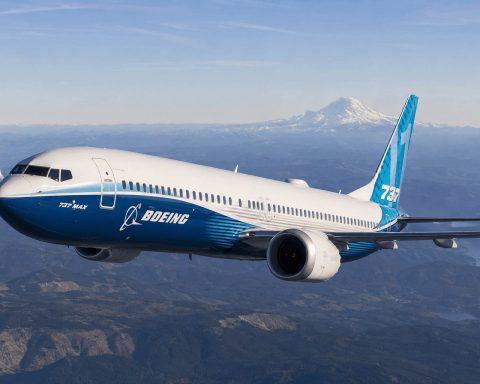
Boeing has its first-quarter earnings call lined up for 10:30 a.m. Eastern. Over in tech, IBM and ServiceNow report after the bell, both set for 5 p.m. Eastern, putting enterprise tech and AI budgets back in focus.
UnitedHealth stuck out on the Dow after the company bumped up its full-year profit outlook and cleared first-quarter targets Tuesday. CEO Stephen Hemsley described the period as “solid across all segments.” Reuters noted the beat gave shares of CVS Health and Humana a push, with investors hoping health-insurer margins may have finally found a floor. Reuters
The mood ahead of the open stays cautious, not euphoric. Traders are weighing a ceasefire headline, a packed earnings calendar, and firmer futures. Oil hovers close to $100, and there’s still no timeline for Hormuz shipping to resume.
Related articles: NASDAQ:UAL