
NEW YORK, July 23, 2026, 16:12 EDT
- At the end of the regular U.S. trading session, the Nasdaq finished 2.3% lower, while the S&P 500 declined by 1.3% and the Dow slipped 1.1%.
- Brent surged 8% to $101.76, increasing inflationary pressure ahead of the Federal Reserve meeting next week.
U.S. equities dropped steeply on Thursday, with the Nasdaq falling 2.3%. Early megacap earnings from Alphabet NASDAQ:GOOGL and Tesla NASDAQ:TSLA revealed a significant cash-flow shortfall. Oil trading above $100 further weighed on markets.
The two firms each boosted their quarterly revenue by over 20% compared to the same period a year ago. However, their total capital expenditure for the quarter was $50.7 billion. In total, their free cash flow stood at negative $7.0 billion.
Cash conversion emerged as the main point of separation in the market. Rapid sales growth mattered less if operating cash flow lagged behind investment. Firms delivering robust cash generation and boosting their outlook saw notable gains.
The biggest earnings swings on Thursday highlight the divide.
| Company | 15:57 price | Move | Q2 sales growth | Capex/sales | FCF/sales |
|---|---|---|---|---|---|
| Alphabet NASDAQ:GOOGL | $318.48 | down 6.9% | up 24% | 37.5% | minus 4.9% |
| Tesla NASDAQ:TSLA | $323.08 | off 13.6% | up 26% | 20.5% | minus 3.9% |
| Lockheed Martin NYSE:LMT | $567.81 | up 10.4% | up 11% | 1.6% | plus 14.5% |
Figures and changes reflect initial readings as of 15:57 EDT.
Ratios are based on company-reported quarterly data, computed according to each firm’s methodology.
The data do not represent a direct comparison of valuations. Instead, they illustrate how Thursday’s market assessed existing cash flow.
Alphabet reported a 24% increase in revenue year-on-year, reaching $119.8 billion. The company’s capital expenditures totaled $44.9 billion, making up 37.5% of its quarterly revenue. Free cash flow stood at negative $5.9 billion.
The company raised its capital spending forecast for 2026 to a range of $195 billion-$205 billion. Chief Financial Officer Anat Ashkenazi stated that free cash flow will “remain under pressure.” Alphabet Investor Relations
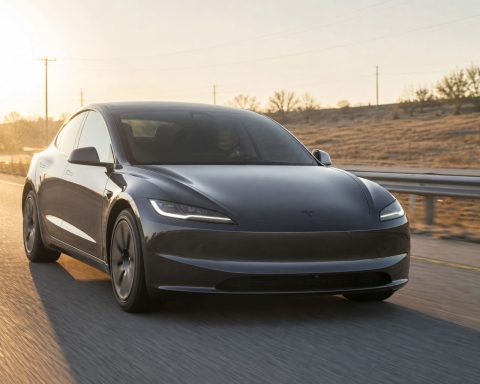
Tesla reported a 26% year-on-year increase in revenue to $28.24 billion. Despite higher revenue, operating income declined by 57%. Capital expenditures increased sharply, reaching $5.79 billion. Free cash flow turned negative at $1.09 billion, compared with a positive $146 million previously.
Lockheed Martin reported contrasting cash dynamics on Thursday. Revenue climbed 11% to $20.1 billion, and free cash flow totaled $2.9 billion. The company’s capital expenditures were $318 million for the quarter. Lockheed Martin increased its full-year 2026 sales and free-cash-flow outlook, with shares up roughly 10%.
Thermo Fisher Scientific NYSE:TMO remained a favored choice for investors as its stock climbed 10% following an upward revision to its yearly profit outlook. Chief Executive Marc Casper said end markets “continue to strengthen.” Reuters
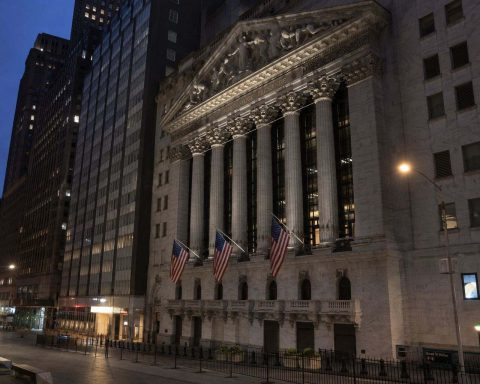
The downturn extended far past the two megacap firms. Near the end of trading, the New York Stock Exchange saw declines outnumber advances by 3.35 to 1. Shares in consumer discretionary dropped over 5%, and communication services slid 4.8%.
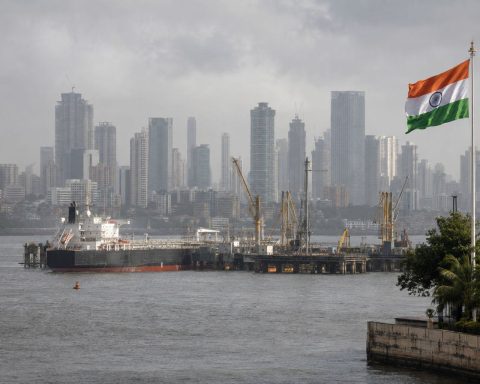
Increases in oil prices and bond yields raised the bar for cash flow. Brent rose by 8% to $101.76 amid broader shipping disruptions in the Middle East. The yield on the 10-year Treasury hit 4.703%, marking a peak not seen since January 2025.
Technology stocks lost ground last week, eroding the sector’s dominance. The three major indexes all finished lower for the week. The Philadelphia semiconductor index saw its largest weekly drop in over a year, closing 20.2% under its record high from June 22.
The Federal Reserve is scheduled to convene on July 28 and July 29. Traders continue to price in about a 64% probability that rates will remain unchanged at the upcoming meeting. Major cap companies will have to contend with a tougher cash-conversion benchmark on Thursday.
Equity investors continue to face two-sided near-term risks. A drop in oil prices or quicker cash conversion may trigger a strong rally. Increased hostilities, rising yields, or expanded spending plans could result in steeper declines.
Related articles: NASDAQ:TSLA