
New York, May 30, 2026, 12:02 EDT
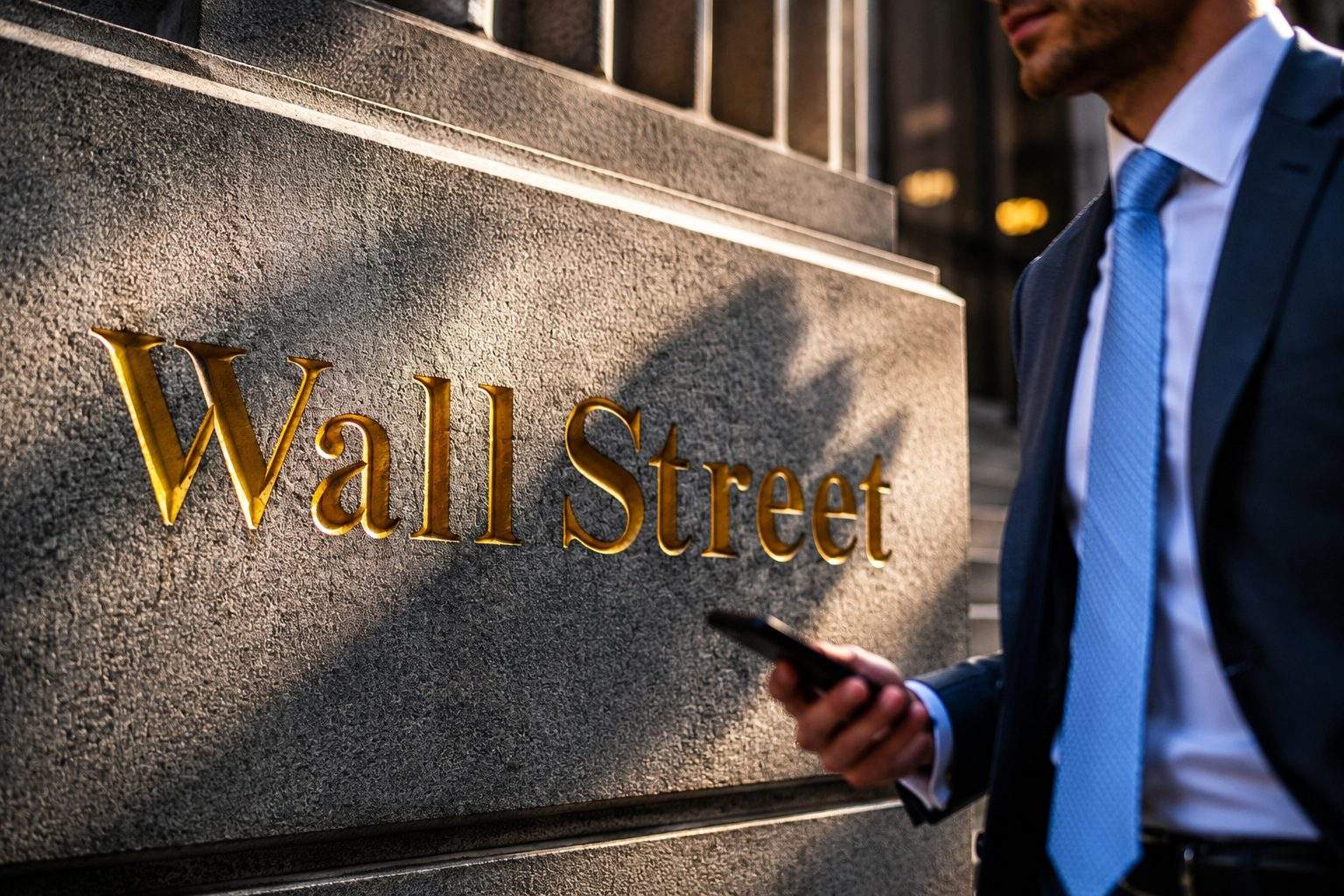
VIX closed at 15.32 on Friday, the lowest in over four months, as buying in U.S. stocks held at record highs and option prices for short-term protection dropped. Cboe gave the VIX spot at 15.32 on May 29. Investing.com had the index down 2.67% for the day.
The calm in markets is getting a fresh test now, with the rally looking broader on the surface but still leaning on themes like AI demand, strong earnings, and cheaper oil. The VIX fell for a third session, hitting its lowest mark since Jan. 12, while the S&P 500 stayed well above where it closed that day, MarketWatch said.
The VIX, also called the Cboe Volatility Index, tracks expected 30-day S&P 500 swings based on options prices. It basically tells you how much investors pay to guard against market moves. When the VIX drops, it points to a smaller expected range and lower demand for protection.
Stocks pushed higher, sending the Dow, S&P 500, and Nasdaq to new records on Friday. The Dow added 0.7%, the S&P 500 gained 0.2%, and the Nasdaq rose 0.2%. The S&P 500 stretched its streak to nine weekly wins, according to Investopedia.
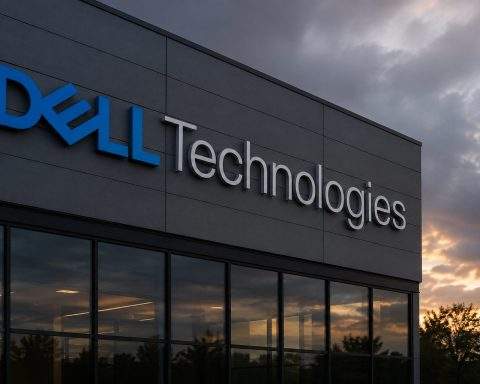
Tech shares gave the latest move a push, though gains were mixed. Dell Technologies surged after it posted record revenue at $43.8 billion. Revenue from AI-optimized servers soared 757% from last year to hit $16.1 billion. “AI opportunity shows no signs of slowing,” Dell’s vice chair and COO Jeff Clarke said. Dell Technologies
Dell’s move extended a run of upbeat action beyond just Snowflake, which jumped the day before, and Microsoft, up Friday. Dell’s rally was another earnings story that kept people in risk assets, with some Magnificent Seven stocks still lower. The index kept a bid as volatility sellers remained in charge.
VIX dropped under 17 in late May even though there were risks that could send it higher, Barchart columnist Andrew Hecht said Thursday. He pointed to rising debt, stress in long bonds, geopolitical concerns, and uncertainty around the U.S. midterm elections. “The risk-reward for the VIX favors the upside,” Hecht wrote. Barchart.com
Fear keeps dropping out of the market. The VIX settled at 17.01 on May 26, then 16.29 on May 27, slipped to 15.74 on May 28, and edged down again to 15.32 on May 29, historical data from Investing.com show.
Room for disappointment looks tight here. Liz Ann Sonders, chief investment strategist at Charles Schwab, called out “casino-like behavior” in markets and said speculative money just keeps chasing moves. Mark Malek, chief investment officer at Siebert Financial, called the ongoing earnings run “stunning.” Business Insider
Earnings momentum is still up against old pressures: stretched valuations, oil shocks, inflation, bond yields, and geopolitics. The VIX is low, but that just means traders aren’t spending much to hedge at the moment. A low VIX isn’t a forecast for a drop.
Related articles: NYSE:DELL





![Asia Stock Market Today 23/08/2026 [UPDATE: 08:08 SGT] [Yield Shock Splits Asia: Weekly Recap and Week Ahead]](https://ts2.tech/wp-content/uploads/2026/08/Asia-market-dashboard-2026-08-23-0808-480x384.jpg "Asia Stock Market Today 23/08/2026 [UPDATE: 08:08 SGT] [Yield Shock Splits Asia: Weekly Recap and Week Ahead]")