
New York, March 4, 2026, 06:57 EST
- Workday shares jumped roughly 7% in early U.S. trading, clawing back some ground after tumbling sharply in February.
- CEO Aneel Bhusri, along with other top executives, picked up performance-based stock units, according to SEC filings.
- The awards, linked to a performance period that wrapped up Jan. 31, are set to vest in 2028.
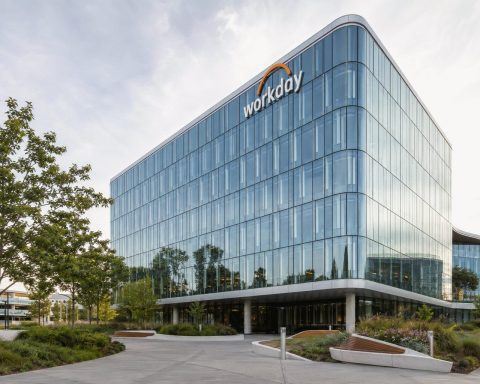
Shares of Workday jumped roughly 7% on Wednesday, regaining a bit of lost territory following last week’s steep decline. Recent regulatory filings showed fresh equity awards for CEO Aneel Bhusri and other senior leaders.
This rebound is drawing attention—Workday’s stock now stands in for a bigger battle in enterprise software. Investors are zeroing in on whether AI tech might undercut those rich subscription margins, and just how fast major clients are green-lighting hefty renewals or fresh deployments.
Any suggestion of cooling demand has rattled investors lately. Workday, which offers cloud-based software for HR and finance, has been positioning its AI rollout as an enhancement—not something to worry about replacing existing products.
According to a filing, Bhusri picked up 9,182 shares of Class A common stock via performance stock units. CFO Zane Rowe received 5,968 shares, and chief legal officer Richard Sauer got 4,132 shares. The compensation committee certified the performance criteria on Feb. 26, the filings noted, with the awards set to vest fully on April 5, 2028—provided they remain in their roles.
Performance stock units, unlike shares picked up in the open market, turn into equity only if targets are hit. The filings pegged the acquisition price at $0, with awards linked to a performance window stretching from Feb. 1, 2025, through Jan. 31, 2026.
Workday shares have swung sharply since late February, hitting their lowest point in over five years after the company’s downbeat sales guidance sparked renewed AI disruption fears. On the earnings call, Bhusri assured analysts, “Anthropic, Google and OpenAI all run Workday,” and added, “No amount of vibe coding is going to produce an HR or an ERP system.” Still, Piper Sandler analysts said the outlook failed to “allay investors’ general concerns for app layer names.” Reuters
Workday last week projected its fiscal 2027 subscription revenue would fall short of Wall Street’s expectations. Chief commercial officer Rob Enslin told analysts that “some net new large enterprise deals are taking longer to close,” but added that “most opportunities remain active in our pipeline, and a few have already closed in the first quarter.” CFO Zane Rowe said the company is putting more incremental investment toward its “agentic AI” roadmap—these are software agents capable of taking actions inside applications—as it looks to capture a larger share of the market. Reuters
Bhusri took back the CEO role in February, following Workday’s announcement that Carl Eschenbach was stepping down. “AI is a bigger transformation than SaaS (software as a service) — and it will define the next generation of market leaders,” Bhusri said at the time. Reuters
Workday finds itself up against bigger names like Oracle and SAP, as clients juggle platform consolidation and hold a tighter line on tech spending.
The bounce doesn’t solve the real challenge: Workday must prove sluggish deal cycles won’t stick around, and that its AI strategy actually boosts pricing instead of leading to more discounts. Should hiring taper off in areas like healthcare or government, subscription gains could lose steam fast.
Related articles: NASDAQ:WDAY