New York, May 28, 2026, 06:02 EDT
Intel shares were down 1.4% at $121.77 on Wednesday and traded at $119.70 after hours, according to Intel’s stock page, before the Nasdaq session started Thursday. Premarket trading on Nasdaq is listed as 4 a.m. to 9:30 a.m. ET, with regular trading from 9:30 a.m. to 4 p.m. May 28 doesn’t appear on Nasdaq’s list of market holidays for 2026.
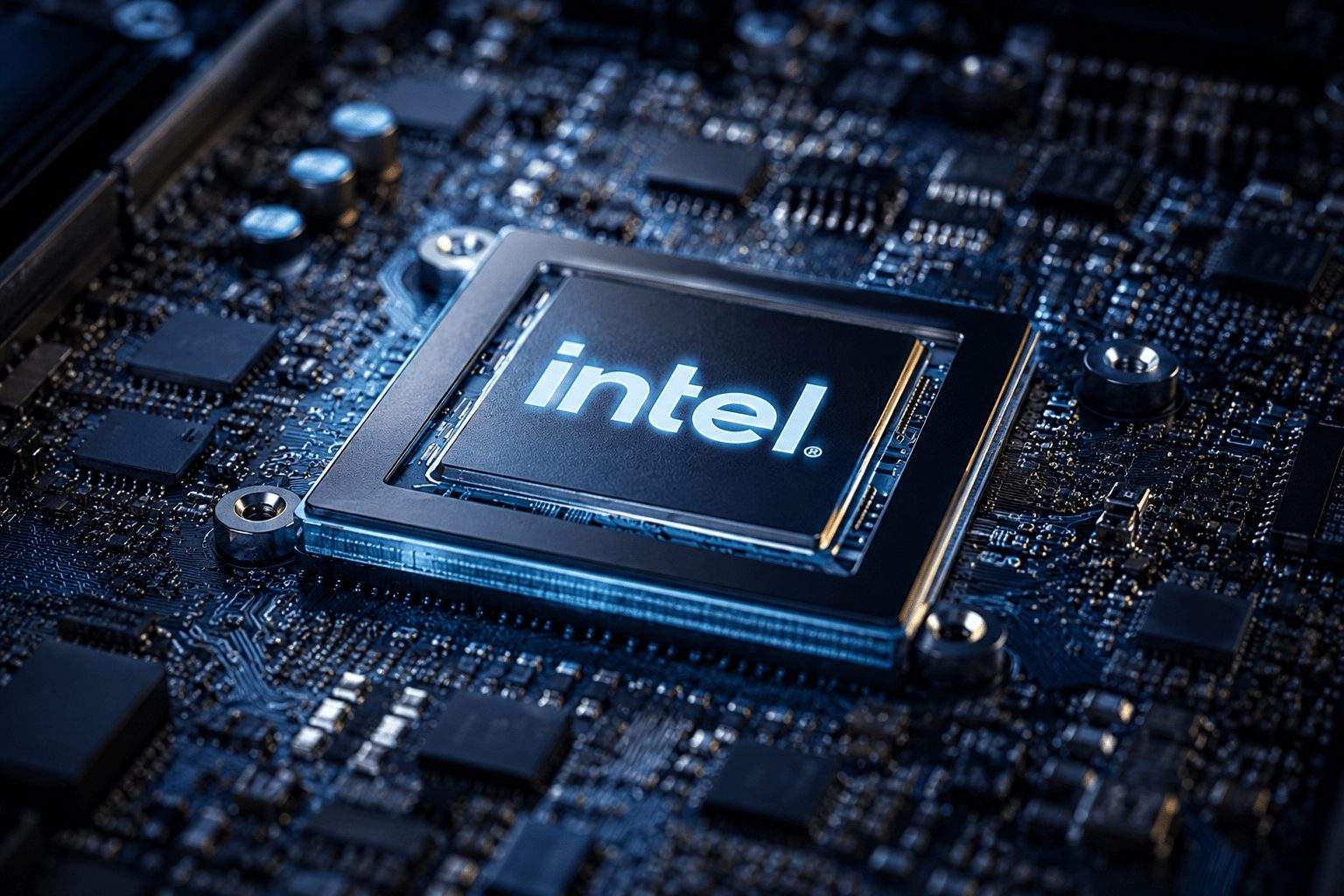
Intel’s big run in 2026 has hinged on the idea that AI demand is coming back to CPUs, moving away from graphics chips. CPUs power the servers behind AI queries. On Thursday, Reuters said ByteDance is working on its own CPUs. That could mean the chip shortages helping Intel now are giving customers a reason to look elsewhere.
ByteDance is working on its own chips as high chip prices and slow supply chains hit growth, Reuters reported. The story noted Intel and AMD still control CPUs, and Nvidia leads in GPUs, which are central to training big AI models.
ByteDance is paying more for CPUs from Intel and AMD after both chipmakers hiked prices by 10% to 35% quarter-on-quarter in recent months, Reuters reported, citing sources. Intel said some product prices were updated because of steady demand, higher component and material costs, and market trends.
Chip stocks lagged after a strong run. Wall Street’s main indexes ended at record highs Wednesday, but Intel slipped 1.4%, Nvidia fell 1%, and Qualcomm dropped 6%. The Philadelphia SE Semiconductor Index fell 1.4%, giving back some gains after setting a record the day before.
“After such a large run-up in the markets, it’s not surprising to me that there is a little bit of a pause,” Sean Clark, chief investment officer at Clark Capital Management Group, told Reuters. Adam Turnquist at LPL Financial said tech leadership is still tough to miss, but momentum and positioning are getting stretched. Reuters
Futures slip as traders eye inflation data, U.S.-Iran tensions. U.S. stock index futures traded lower Thursday as new tensions with Iran surfaced and the market looked ahead to the personal consumption expenditures report, the Fed’s favored inflation measure. “A higher-than-expected print will further boost hawkish Federal Reserve expectations,” said Ipek Ozkardeskaya, senior market analyst at Swissquote Bank. Reuters
Intel’s recent bull run got traction last month after Reuters said first-quarter demand for its CPUs among AI-service providers was strong enough that the company sold off chips it had already written down. CFO David Zinsner said Intel moved “de-spec product or legacy product.” At least 23 brokerages hiked their price targets after Intel released results and guidance. Reuters
The state of manufacturing is still unsettled. “TSMC is the real bottleneck,” SemiAnalysis President Doug O’Loughlin told Reuters, saying chip designers are searching for other options. But Seaport Research’s Jay Goldberg said, “No company in history has ever fallen off the Moore’s law curve and made it back on.” J.P. Morgan’s Harlan Sur said measuring Intel’s progress could take a year to 18 months and that it might be five years before it’s clear whether the foundry business can operate profitably. Reuters
Still, the risks are clear: more customers like ByteDance could push on with their own CPU development, sticky inflation could fuel more rate hikes, or the chip boom could slow further. In that case, Intel’s edge on chip prices might fade. Shares have dropped from their May 11 high of $132.75. What happens next could depend less on the AI narrative and more on whether investors see Intel’s demand turning into steady profits.