
LONDON, June 19, 2026, 12:04 BST
- The Bank of England held Bank Rate at 3.75% in a 7-2 vote, with Megan Greene and Huw Pill backing a quarter-point rise to 4%.
- The decision buys time after the U.S.-Iran truce eased energy prices, but the central bank still expects inflation to rise this year.
- Markets pushed sterling lower after the decision and do not fully price a BoE hike until December.
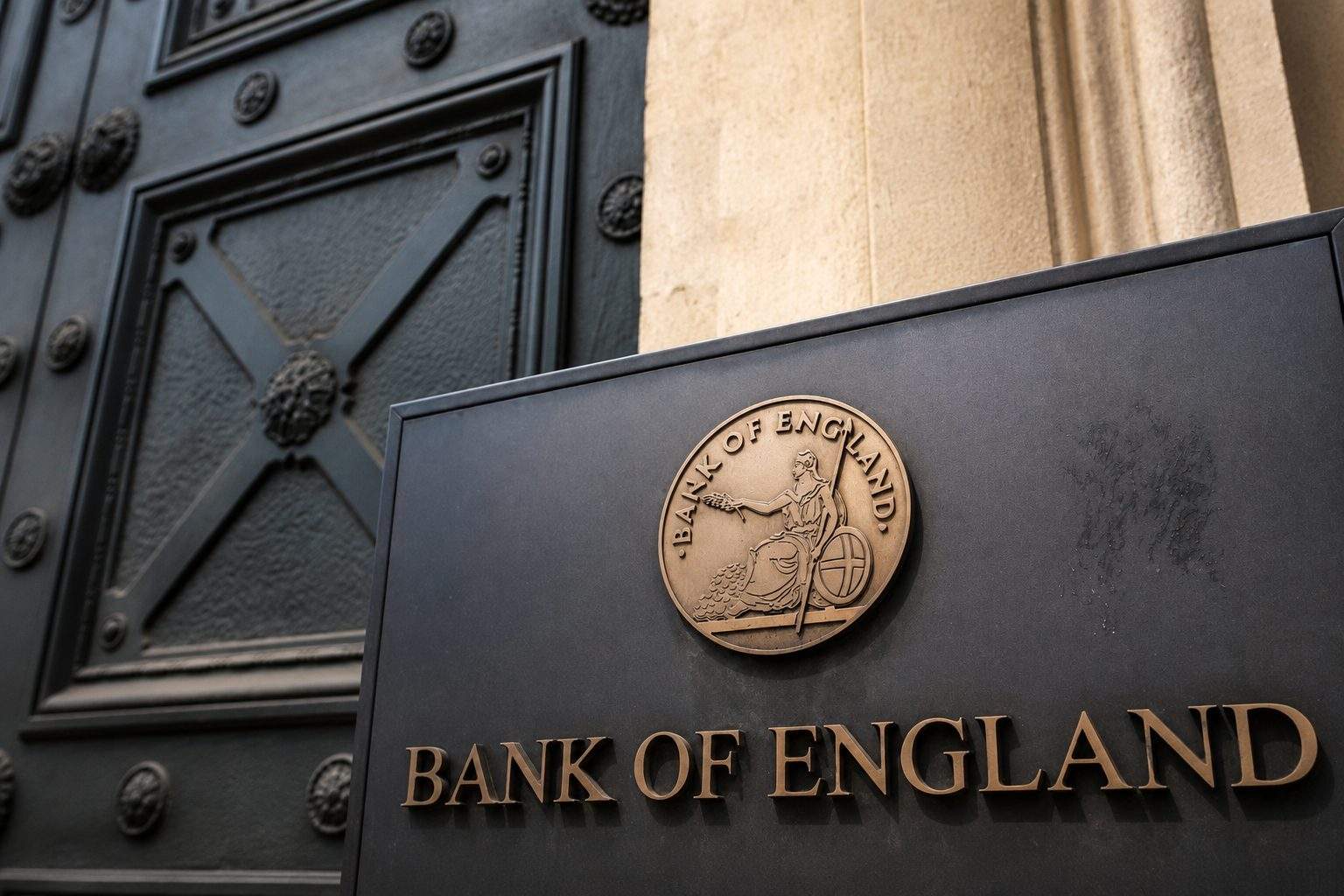
The Bank of England held interest rates at 3.75%, choosing not to follow the European Central Bank and Bank of Japan into fresh tightening as policymakers judged that Britain’s latest energy-driven inflation shock may fade, but not quickly enough to relax policy.
The 7-2 vote keeps borrowing costs unchanged for now. It also leaves households, mortgage borrowers and businesses in the same uneasy place: rates are already restrictive, inflation is above target, and the next move is still not safe to call. Bank Rate is the BoE’s core policy rate, which affects what banks charge on loans and pay on savings.
The rate-setting Monetary Policy Committee said global energy prices had fallen since its last meeting after developments in the Middle East, but remained above pre-conflict levels and volatile. Monetary policy cannot lower oil or gas prices, the bank said; its job is to stop that shock from turning into lasting inflation.
Governor Andrew Bailey said he was “very encouraged” by the U.S.-Iran deal, Reuters reported, but warned that earlier energy price rises had already put some inflation pressure “in the pipeline.” The BoE now sees inflation rising above 3.25% in the fourth quarter, from 2.8% in May, though that is below the 3.6%-3.7% peaks it had sketched in April under two earlier scenarios. Reuters
The split inside the committee is the live part of the story. Greene and Pill wanted Bank Rate lifted to 4%, saying a pre-emptive move would help limit “second-round effects” — the risk that higher energy bills feed into pay demands and wider price rises. Greene said a hike would “help anchor inflation expectations.” Bank of England
Most members were not there yet. Bailey, Sarah Breeden, Swati Dhingra, Clare Lombardelli, Catherine Mann, Dave Ramsden and Alan Taylor voted to hold, pointing to softer demand and a weakening labour market. Mann saw bigger inflation risks than some colleagues, but still judged that an immediate rise was not needed because policy could bite quickly if the bank had to move later.
The latest inflation data gave the majority some cover. The Office for National Statistics said the Consumer Prices Index rose 2.8% in the 12 months to May, unchanged from April, while food inflation eased and services inflation picked up. The reading was still above the BoE’s 2% target, but it was not the jump some investors had feared.
The jobs data cuts the other way for hawks. ONS figures showed the unemployment rate at 4.9% in the latest quarter, while vacancies fell to 707,000 in March to May, down 19,000 from the previous three-month period and below pre-pandemic levels. That matters because a looser labour market makes it harder for workers to secure pay rises that would keep inflation high.
Sterling fell after the decision, last down 0.6% at about $1.3212 on Thursday, while the two-year gilt yield, sensitive to rate expectations, was near 4.2%. London’s FTSE stock index was down 1% at the time.
Analysts read the decision as a delay, not a dovish turn. George Brown, senior economist at Schroders, said the “bar for hikes remains high,” but added that the bank “cannot afford to be complacent” if inflation expectations drift higher. Simon Dangoor at Goldman Sachs Asset Management said the BoE had room to assess the energy shock, but that pressure to hike could return if the Strait of Hormuz reopening runs into trouble. Reuters
J.P. Morgan pushed back its forecast for the BoE’s next rate rise to November from July after the decision. The bank said a recovery in growth and the labour market while inflation rises in the second half could create stronger pass-through into wages and core prices, and added that if other central banks tighten, it doubted the BoE would simply “sit and hold.” Reuters
The comparison with peers is awkward for Threadneedle Street. The ECB raised its deposit rate to 2.25% last week as euro zone inflation pressure broadened, while the Bank of Japan lifted its short-term policy rate to 1%, the highest since 1995. The Federal Reserve, like the BoE, held rates this week, but said U.S. inflation remained elevated relative to its 2% goal.
There is some offset from the consumer side. British retail sales rose 1.2% in May, helped by hot weather and stronger online and clothing sales, and Pantheon Macroeconomics’ Rob Wood said consumers had been “surprisingly resilient” to higher energy prices. But the same report noted households were less willing to make big-ticket purchases, and major retailers including Tesco and Morrisons had seen sales growth slow since the conflict began. Reuters
The risk is that the truce does not hold, energy flows through the Strait of Hormuz take longer to normalise, or households and firms start behaving as if 3%-plus inflation is the new baseline. In that case, the BoE’s pause could look late rather than prudent. If energy prices keep easing, however, the argument may swing back toward cuts; Berenberg economist Andrew Wishart told the Wall Street Journal that in a benign scenario the next move could be “a cut, in December.” wsj.com
Related articles: NYSE:JPM