
New York, June 21, 2026, 08:49 EDT
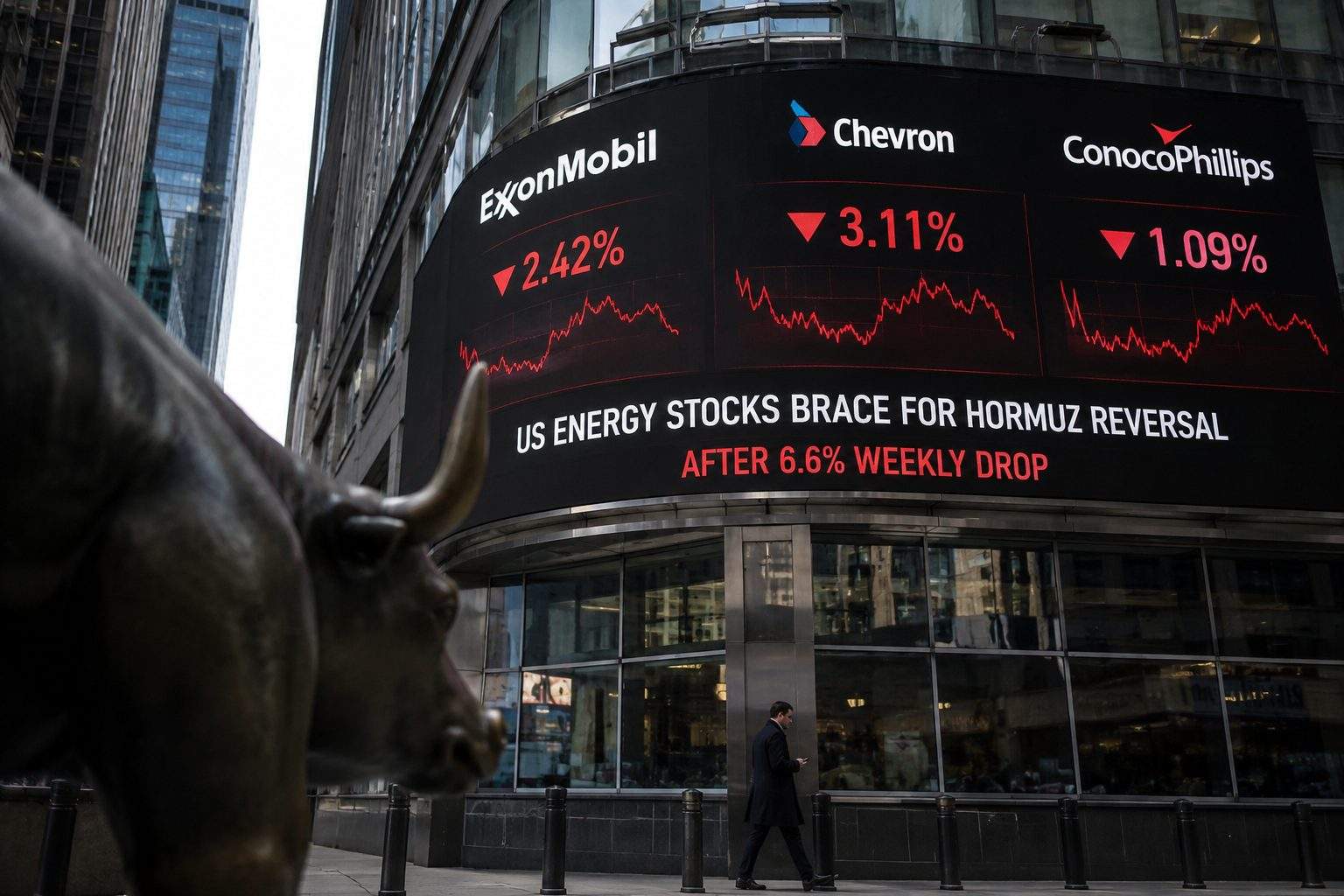
- The Energy Select Sector SPDR Fund dropped 6.6% in the shortened trading week, tracking losses in large U.S. energy stocks.
- Brent crude settled at $80.57 a barrel on Friday, dropping 7.7% from June 12. The global oil benchmark’s latest figures are from .
- Iran is keeping the Strait of Hormuz closed, saying it won’t reopen unless a Lebanon ceasefire stays in place and oil-sale waivers are granted. U.S. and Iranian officials remain in talks in Switzerland.
U.S. energy shares may see heavy swings at Monday’s open after Iran threatened again to block the Strait of Hormuz, a move that questions the basic reason for last week’s steep slide in oil stocks. Reuters, citing vessel tracking, reported no tankers passing the strait since Tehran’s statement on Saturday. The U.S. military, though, said the route is still open.
S&P 500 energy stocks dropped 6.6% over four sessions. At the same time, the S&P 500 was up 0.93%. Investors saw the interim U.S.-Iran deal as opening the door for Gulf oil to come back into the market. U.S. exchanges didn’t open Friday for Juneteenth.
Brent tumbled 4.8% Monday and slid another 5.1% Tuesday before stabilizing. “The market was pricing in a deal and pretty seamless execution,” Commodity Context founder Rory Johnston said Friday. “That doesn’t seem to be what we’re getting thus far.” Reuters
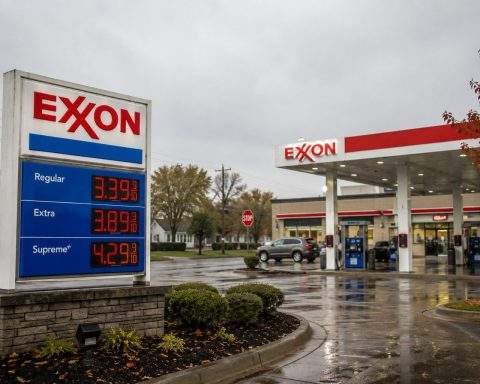
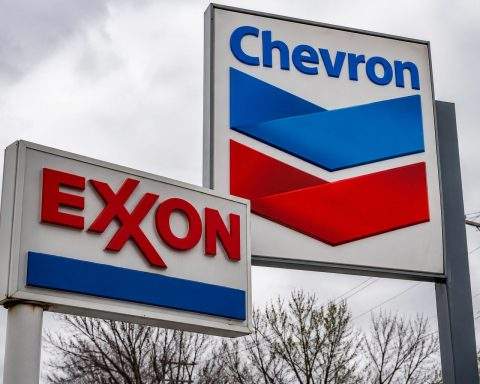
Big U.S. oil names dropped across the board. Exxon Mobil fell 6.3% from the June 12 close to Thursday, while Chevron slipped 7.3% and ConocoPhillips dropped 7.9%. Those declines leave the stocks at risk if crude futures jump when trading resumes.
Monday’s move may hinge more on real tanker traffic than any official comments. “The slightest sort of disturbance is going to register in the market,” said Again Capital partner John Kilduff. Fatih Birol, head of the International Energy Agency, described the bigger risk this way: “The vase is broken.” Reuters
There is a large volume of supply still waiting to move past the strait. Kpler analyst Muyu Xu said reopening could release around 93 million barrels of non-Iranian crude that are currently stranded. Goldman Sachs expects Gulf exports to be back at prewar levels by the end of July. Bank of America, though, said mine-clearing might stretch on for months, which could keep the market tight through the fourth quarter.
Oil traders are eyeing Wednesday’s domestic numbers, with the U.S. Energy Information Administration set to publish its weekly petroleum report at 10:30 a.m. EDT. The Strategic Petroleum Reserve is down to 340.3 million barrels, the lowest since 1983. Stocks at Cushing, Oklahoma, are also near minimum levels. That could keep prices jumpy if another big draw shows up.
U.S. producers are putting more rigs to work. The number of active oil-and-gas rigs climbed to 563 last week. That’s the eighth increase in the past nine weeks and points to higher supply ahead. The EIA has forecast U.S. crude output will hit a record 13.7 million barrels a day in 2026, which could cap prices over the longer term after Gulf shipments recover.
But there are risks on both sides. If the deal holds and tankers start moving, Citi projects Brent will average $75 in Q3 and $70 in Q4. The IEA points to supply growth building a major surplus. But if closures drag on or violence spreads, the premium for supply risk comes back, pushing up oil stocks, and putting inflation and rates back on the table for Wall Street.
Related articles: NYSE:CVX