Starbase, Texas, July 12, 2026, 08:10 (CDT)
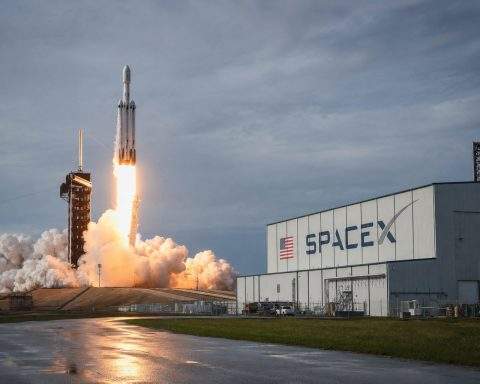
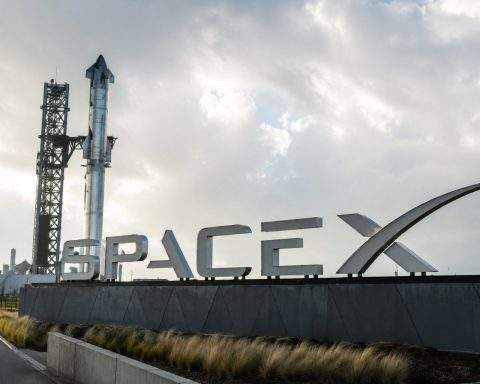
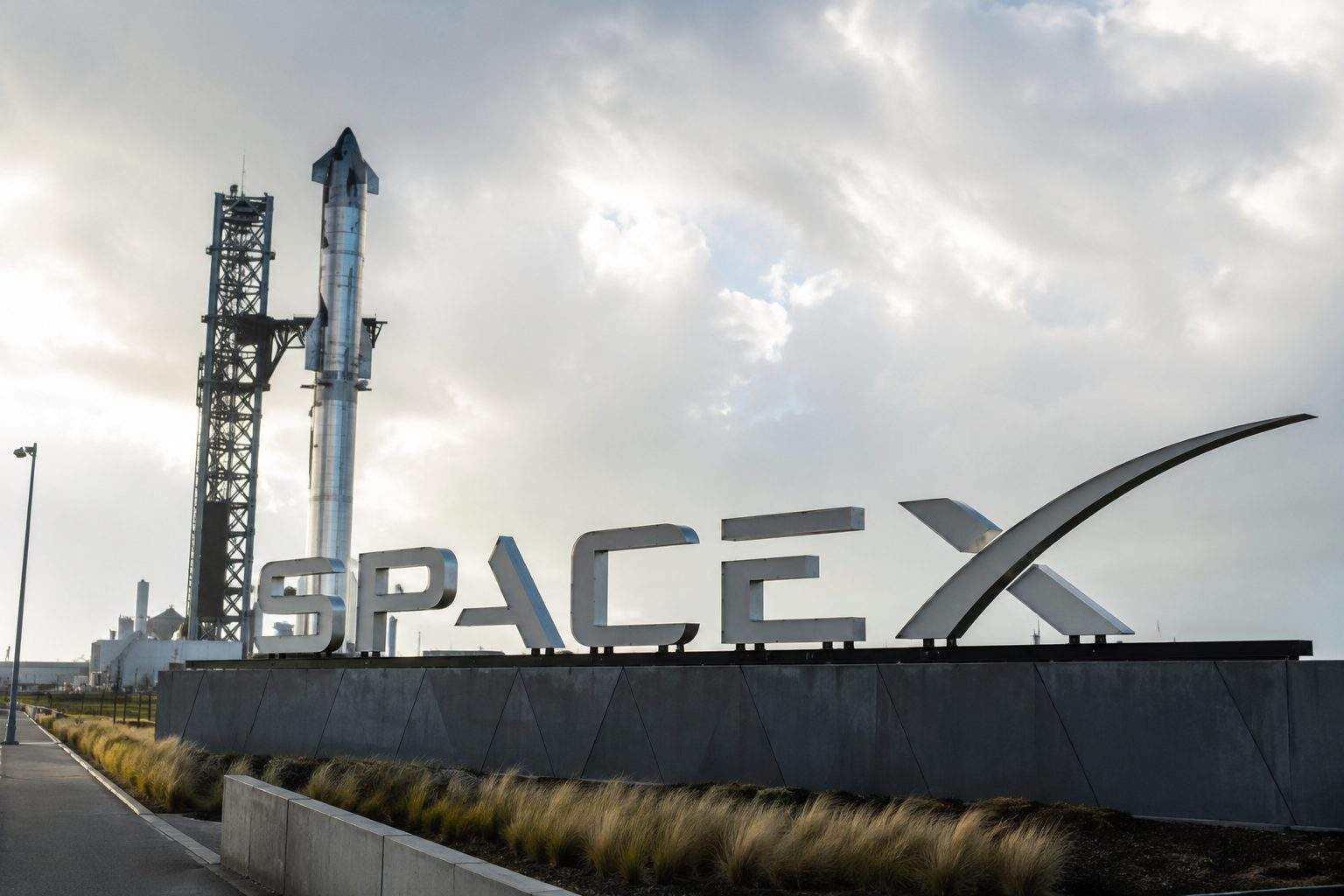
SpaceX NASDAQ:SPCX plans to run Starship’s 13th flight test on Thursday, July 16, after firing all 33 Super Heavy engines in a full-duration static fire that left the booster bolted to the pad. The 90-minute launch window starts at 5:45 p.m. CDT. Investors will be watching closely after a tough week for the stock.
U.S. markets are shut Sunday. SpaceX last traded Friday at $145.30, off 4.5% for the day and 10.3% since the July 2 close. The Nasdaq Composite added 1.7% for the week. That puts about 12 points between SpaceX and the index, so traders are watching for news on the stock when it reopens Monday.
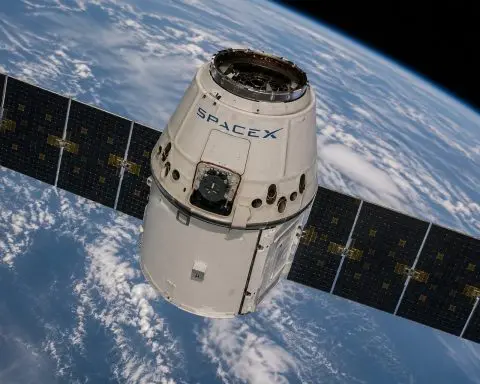
The payload on Flight 13 is more commercially focused than in past Starship tests. The plan is for the upper stage to deploy 20 Starlink V3 satellites, each built for downlink speeds of one terabit per second. That totals a designed capacity of 20 Tbps on this mission.
| Payload benchmark | V3 satellites | Designed downlink capacity | Versus a Falcon 9 batch |
|---|---|---|---|
| Flight 13 target | 20 | 20 Tbps | Roughly 6.7 times |
| Full Starship design | Up to 60 | Up to 60 Tbps | 20 times |
| Falcon 9 equivalent | — | About 3 Tbps | 1 time |
The 6.7-times and 3-Tbps numbers come from SpaceX’s stated 60-satellite, 20-times benchmark. These calculations assume capacity climbs in step with the number of V3 satellites. SpaceX hasn’t given forecasts for these figures.
Chief Financial Officer Bret Johnsen said every Starship launch taking up satellites holds “20 times the capability” of a Falcon launch. Flight 13 is sending up about a third of the full planned V3 load, meaning a successful run will check some of the capacity claims. The launch won’t show the total payload or rapid reuse yet. SEC
SpaceX’s vertical integration gives it an edge Amazon.com NASDAQ:AMZN can’t match across the whole line. Amazon’s Leo broadband network had 394 satellites in orbit as of July 2 and aims to kick off initial service later this year, but the company uses external launchers like United Launch Alliance, Arianespace and SpaceX. Amazon has around 100 launch contracts lined up, worth at least $82 billion, according to Reuters.
The noise from Friday’s engine test rattled South Padre Island and nearby towns, according to Brownsville officials. Authorities are setting up a safety perimeter and will shut down Highway 4 and Boca Chica Beach for Thursday’s launch window. The shaking isn’t about rocket output but signals the tension and pushback locally as test counts go up.
Flight 12 on May 22 put SpaceX’s design differences on display. The upper stage dropped dummy satellites as planned and ditched safely in the Indian Ocean. Super Heavy, though, lost control on the way back and crashed into the Gulf of Mexico. The FAA called for a mishap probe, saying nobody was hurt and no property was hit.
The cadence gap is wider than the gap in payload. Flight 12 is 55 days away from the July 16 goal, putting the annualized pace at about 6.6 launches a year. Broker forecasts from Reuters see anywhere from 1,500 to around 5,000 Starship launches a year by 2031. That depends on how much reuse SpaceX can get. “There’s nervousness about expectations being too high,” Mark Hackett, chief market strategist at Nationwide, said. Reuters
| Cadence benchmark | Launches a year | Launches a day | Multiple of current 55-day test pace |
|---|---|---|---|
| Current annualized rate | 6.6 | 0.02 | 1 time |
| UBS 2031 projection | More than 1,500 | Over 4.1 | Over 226 times |
| Bernstein 2031 projection | 3,500 | 9.6 | 527 times |
| Wells Fargo 2031 projection | 4,600 | 12.6 | 693 times |
| J.P. Morgan 2031 projection | Around 5,000 | 13.7 | About 753 times |
The comparison isn’t apples to apples—development tests are supposed to be slower than flights from a seasoned fleet. Still, it shows the speed SpaceX must hit to churn out vehicles, turn launch pads around, and make reuse work. CFRA’s Keith Snyder, who rates the stock sell with a $115 price target, told Business Insider he’s waiting for “growth actually [to] begin to materialize.” Business Insider
A flawless Flight 13 wouldn’t show Starship can carry 60 satellites, turn around boosters quickly, or handle thousands of launches each year. Any new flub—hardware, regulatory, or just bad weather—could push back V3 and keep Starlink tied to the smaller-load Falcon 9. SpaceX flagged in its prospectus that redesigns, supply issues and unexpected glitches could push Starship’s schedule back and slow its satellite refresh.
This week, investors are focused on four numbers: 20 planned satellite deployments, one engine relight in space, two controlled ocean splashdowns, and then the countdown to Flight 14. The first three will show if Flight 13 does its job. The last will test if Wall Street’s favorite timing bets hold up.
Related articles: NASDAQ:SPCX