NEW YORK, July 29, 2026, 14:05 EDT
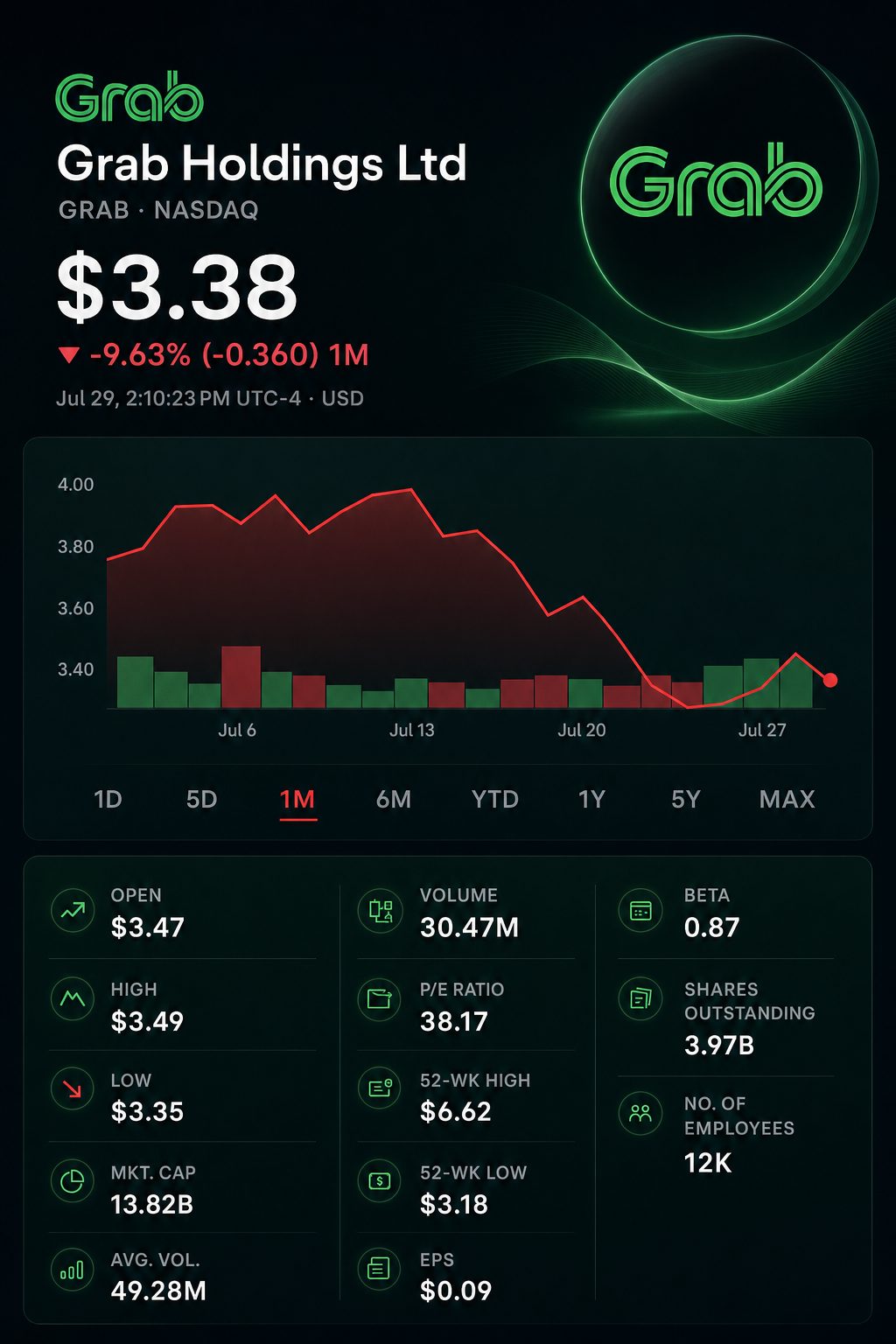
- The stock was last seen around $3.38, about 49% off its 52-week peak.
- The current consensus for preliminary Q2 revenue stands at $1.0 billion, representing a 4.7% increase compared to Q1.
- Following Superbank’s consolidation, management will revise 2026 guidance on August 3.
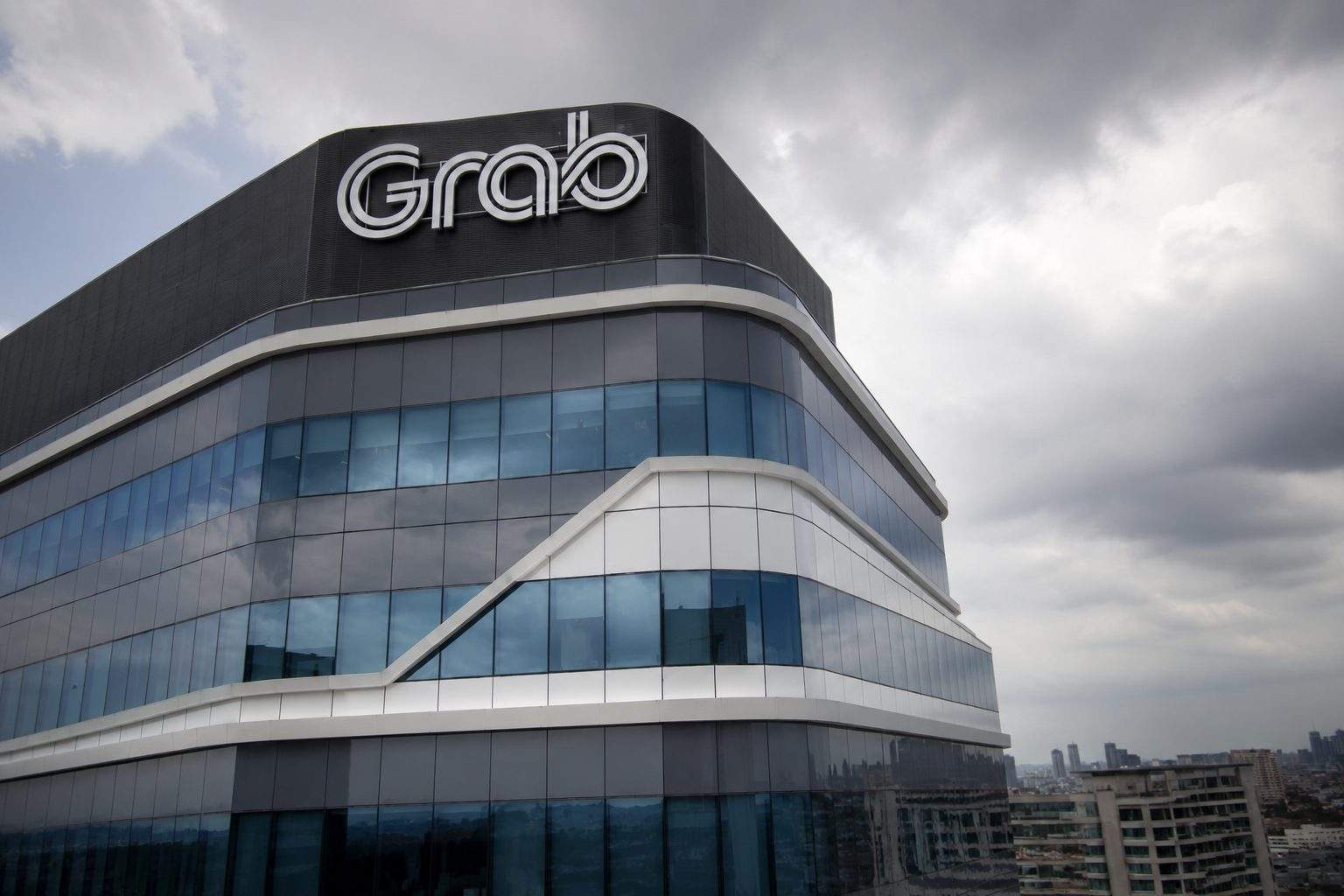
Shares of Grab Holdings Limited NASDAQ:GRAB hovered around $3.38 during early U.S. trading on Wednesday, slipping roughly 2%. The stock underperformed the S&P 500 and stayed near its lowest point over the past 52 weeks.
The next trigger is set for Monday. Grab will disclose its unaudited second-quarter earnings following the U.S. market close on August 3.
Analysts’ initial projections show revenue reaching $1.0 billion, representing a 22.3% rise year-over-year. This figure would mark an increase of just 4.7% from the first-quarter revenue of $955 million.
That discrepancy means profit conversion offers a clearer assessment. Grab’s current forecast is for revenue between $4.04 billion and $4.10 billion, and adjusted EBITDA ranging from $700 million to $720 million. The table reflects the midpoint for each range.
| Test | Latest base | Existing target or preliminary estimate | Implied hurdle |
|---|---|---|---|
| Q2 revenue | Q1 actual: $955 million | Q2 consensus: $1.0 billion | Quarterly rise of 4.7% |
| Full-year revenue | Guidance midpoint: $4.07 billion | Q1 actual and Q2 estimate: $1.955 billion | Average for Q3-Q4 roughly $1.06 billion |
| Adjusted EBITDA | Q1 actual: $154 million | Guidance midpoint: $710 million | Average for Q2 through Q4 about $185 million |
The Q2 revenue number provided is based on an early consensus from external sources rather than official company projections. With this figure, achieving the current annual midpoint would need average revenue of roughly $1.06 billion across the last two quarters. This represents an increase of just 5.8% over the Q2 consensus estimate.
The bar for profit is higher. Following $154 million in Q1, the company needs to post an average quarterly adjusted EBITDA of approximately $185 million for the rest of the year. This is nearly 20% higher than the first quarter.
In the first quarter, revenue increased by 24%, with adjusted EBITDA climbing 46%. The adjusted EBITDA margin expanded to 16.2%, up from 13.7%.
Expansion came at a cost. On-demand incentives rose to 10.5% of gross merchandise value, an increase of 0.46 percentage point. Partner incentives increased by 42% as regional fuel expenses grew.
The accounting structure shifts in Q2, as Grab’s financial-services segment has included PT Super Bank Indonesia Tbk IDX:SUPA since May. Grab stated that revised group guidance will be released with its August results.
Superbank counted over 6 million customers and handled upwards of 1 million transactions each day. Assets increased by 72% from a year earlier in April, while net interest income climbed 84%.
Grab’s President and Chief Operating Officer Alex Hungate pointed to “a scalable, lower-cost distribution channel” as well as “enhanced credit underwriting powered by Grab’s transaction data.” The company must now demonstrate if these assertions hold up under the scrutiny of public earnings. Grab Holdings Investor Relations
Financial services outpaced the overall group in growth. First quarter revenue climbed 43% to $107 million. The gross loan portfolio surged 130% to reach $1.44 billion, though segment adjusted EBITDA stayed negative at $17 million.
A headline revenue beat could be less significant than normal. Investors will want data that distinguishes core platform growth from revenue contributed by Superbank. Levels of credit costs, bank capital, and incentive expenses will also be important.
Risks continue to be centered in Indonesia. Grab and GoTo IDX:GOTO lowered commissions for two-wheel drivers to 8% from 20% starting July 1. This adjustment may pressure take rates or call for more support for drivers. Fast-paced loan growth combined with currency volatility increases exposure.
Grab shares have fallen around 32% in 2026 and are trading nearly 49% under their 52-week peak. The report on Monday needs to clarify what portion of recent growth is organic and how much translates to profit.
Related articles: NASDAQ:GRAB