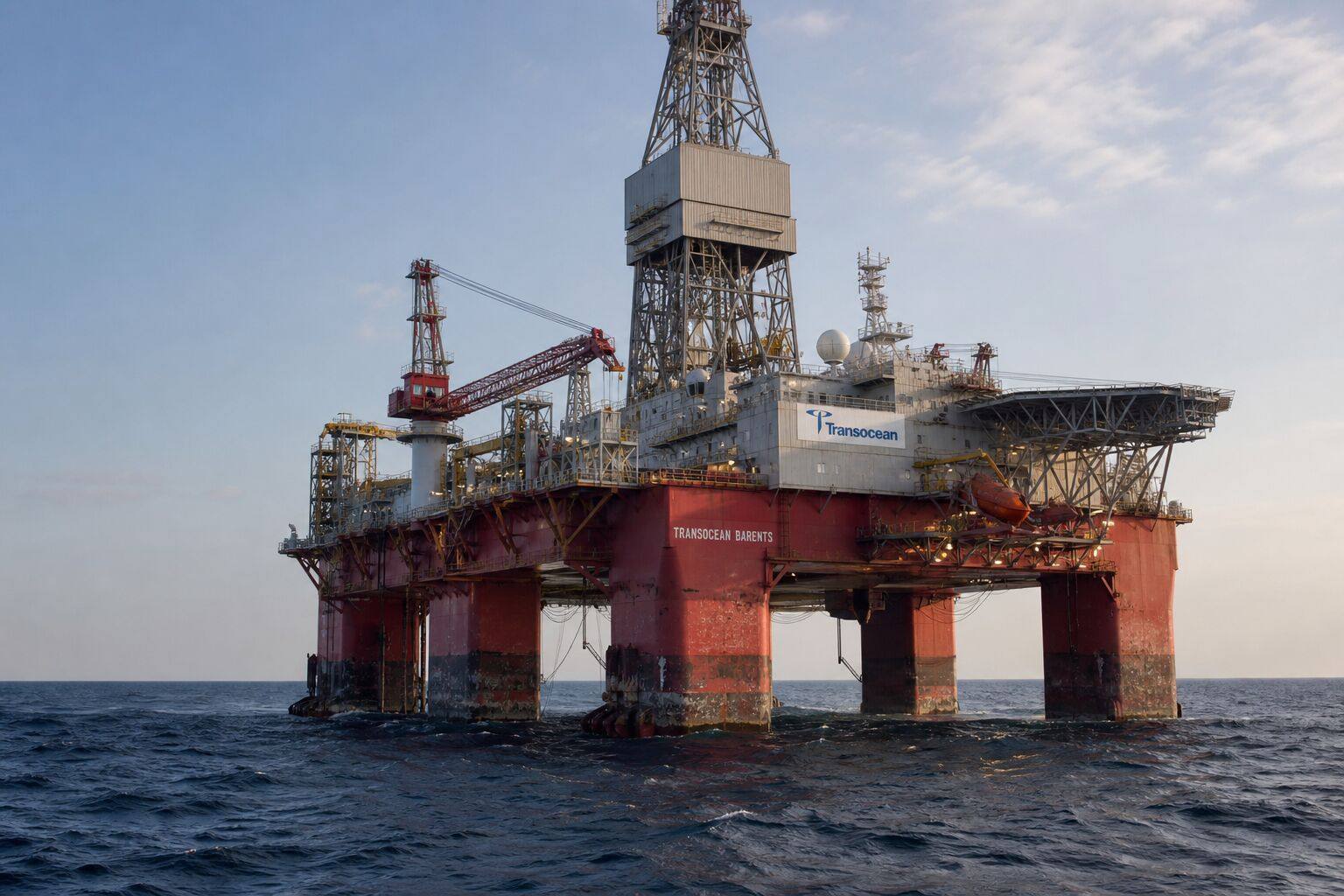

HOUSTON, September 1, 2026, 17:56 EDT — Shares of Transocean advanced 1.9% on renewed attention to the company’s $6.7 billion contract backlog as oil trades near $90 a barrel.
- Transocean ended the session at $5.92, rising 1.89%, with 36.35 million shares traded.
- WTI was last at $90.68 while Brent stood at $95.22 around 17:55 EDT.
- Free cash flow for the second quarter came in at $212 million, with the backlog standing at $6.7 billion.
Transocean Ltd. NYSE:RIG rose 1.9% on Tuesday, coinciding with oil prices surpassing $90. In comparison, the S&P 500 slipped 0.7%.
The increase puts greater focus on the driller’s ability to convert cash, becoming a stricter test for investors. The company’s backlog stands at $6.7 billion, just above its equity value of $6.61 billion. Net debt stays at $4.31 billion.
RIG’s regular-session path
Shares started trading at $5.90 and climbed to a high of $5.99. They closed at $5.92, with 36.35 million shares exchanged. The session’s turnover was 6% under the three-month daily average.
Offshore drillers moved together
September 1 regular-session change
- Borr+2.68%
- Valaris+1.93%
- Transocean+1.89%
- Noble+1.68%
The advance was seen across the sector. Shares of Borr Drilling Ltd. NYSE:BORR climbed 2.7%. Valaris Ltd. NYSE:VAL increased by 1.9%. Noble Corp. plc NYSE:NE was up 1.7%.
The trend indicates crude, rather than recent corporate developments. WTI was at $90.68 as of around 17:55 EDT, while Brent was at $95.22.
Oil prices climbed following fresh U.S. strikes on Iran, heightening concerns about supply. Increased crude prices may bolster offshore spending plans. However, new rig commitments typically follow with a delay.
The capital bridge
Backlog supports visibility; debt absorbs part of the cash benefit
Transocean posted second-quarter contract drilling revenue of $966 million. Adjusted EBITDA totaled $312 million, representing a margin of 32.2%. Free cash flow amounted to $212 million.
Chief Executive Keelan Adamson described the period as a “strong second quarter.” He pointed to “excellent cash flow and improved liquidity.” Revenue efficiency stood at 97%.
The company reduced its debt by $586 million in the first half. As of June 30, unrestricted cash stood at $509 million. Overall liquidity was over $1.3 billion.
New contracts increased backlog by $292 million at a weighted average dayrate of $461,000. An additional $1 billion connected to Equinor ASA NYSE:EQNR was pending partner approval and was not included in the reported backlog.
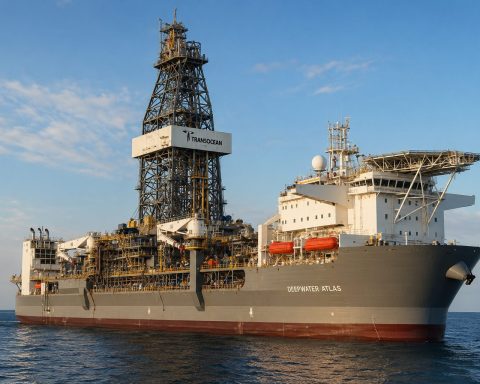
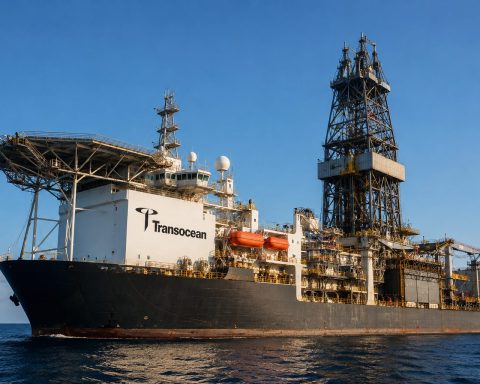
The fleet is made up of 27 mobile offshore units. Of these, 20 are ultra-deepwater floaters, while seven are designed for harsh environments.
Risks: Oil prices may pull back if concerns over supply diminish. Delays in contracts, unplanned rig outages or expenses tied to bringing rigs back online could pressure cash flow and hinder efforts to reduce debt.
Oil exposure benefited from Tuesday’s price move. The ongoing challenge is more difficult. Transocean faces pressure to convert backlog to cash at a pace that outstrips rising financing and fleet expenses.
Related articles: NYSE:RIG