
New York, June 14, 2026, 18:22 EDT
- U.S. stocks look set for the June 16 open after rising Friday. Inflation and Fed risk are still weighing on sentiment.
- The U.S.-Iran deal report matters for oil prices, which feed directly into inflation, rates, and margins.
- Traders are looking ahead to the Federal Reserve meeting set for June 16–17. May retail sales land June 17.
U.S. stocks look a bit steadier heading into Tuesday’s June 16 open, but caution is still the mood. The S&P 500 ended Friday at 7,431.46, up 0.50%. The Dow closed at 51,202.26 for a 0.70% gain. The Nasdaq added 0.31% to 25,888.84. Those gains helped after the market’s recent swings. Two main worries stay in play: higher oil prices and what the incoming Fed leadership might do. Brent crude traded at $86.80. The 10-year Treasury yield was near 4.48%, Reuters market data showed. Both will matter for where stocks go next.
U.S.-Iran talks are driving markets after Pakistan’s Prime Minister Shehbaz Sharif announced a deal, with Donald Trump confirming it. Reuters reported that full terms remain murky, but early drafts pointed to reopening the Strait of Hormuz and lifting the U.S. port blockade on Iran. Trump posted, “Ships of the World, start your engines. Let the oil flow!” Traders say a real reopening could push stocks higher as lower oil might ease fuel costs, cut inflation, and help spending. Failed talks would likely send money back toward energy names, cash, and defensive stocks. Reuters
Oil traders are keeping an eye on inflation numbers. The Consumer Price Index rose 4.2% in the year through May, ahead of April’s 3.8%. Energy prices shot up 23.5% for the same period. Producer prices climbed 1.1% in May, up 6.5% from a year ago. Traders often dump stocks when inflation looks like it could push rates higher. Higher rates raise borrowing costs and give bonds more appeal against stocks.
Fed traders eye the next policy move. The central bank has a meeting set for June 16–17, when it will put out its new Summary of Economic Projections. That’s the quarterly forecast update. In a Reuters poll from June 4–9, almost 70% of economists said the fed funds rate would hold at 3.50%–3.75% through 2026, with no cut expected this meeting. Markets are betting on a hold. There’s risk of a “hawkish hold”—the Fed could leave rates unchanged but warn of possible hikes if inflation picks up. federalreserve.gov
All eyes are on Fed Chair Kevin Warsh as he heads into his first FOMC meeting this week. Markets are tuned in for any hints. “The market is watching and parsing every word that’s said,” said Jim Baird, chief investment officer at Plante Moran Financial Advisors, to Reuters. Warsh’s messaging could move stocks ahead of any rate action. If he comes out hawkish on inflation and signals hikes, tech shares could keep sliding. But if he signals patience or calls for more data, tech’s rebound might hang on. Reuters
Retail is next up. The Census Bureau plans to release May retail sales numbers on June 17 at 8:30 a.m. EDT. These retail sales aren’t inflation-adjusted, so investors will be watching to see if any rise in sales comes from people buying more or just paying higher prices. Reuters reported the University of Michigan’s first June consumer sentiment reading at 48.9, up from May’s record low of 44.8, with some help from lower gas prices. But sentiment is still weak.
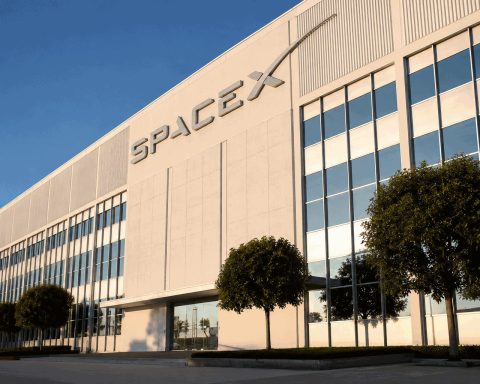
SpaceX jumped 19.2% to $160.95 at the close after its Nasdaq IPO on Friday, Reuters reported, well above its $135 listing price and valuing the company close to $2.1 trillion. Bulls saw the move as proof that investor appetite remains strong for the big AI-growth names, with potential upside for the broader Nasdaq and other risk trades. But bears pointed to the scale of the debut, saying such a mega-cap IPO can suck capital from other speculative stocks and add to fears the AI story is looking crowded.
U.S. stocks look stretched here. Bulls are hoping a solid U.S.-Iran deal would knock oil down, cool inflation nerves, and let the Fed stay put, which they think helps consumer spending and AI-driven earnings. Bears, though, see reasons to be cautious: there’s no clear outline of the deal, Israel is not included, inflation remains above where the Fed wants it, and indexes are still up big—S&P 500 ahead more than 8%, Nasdaq up over 11% this year. That sets the tone for Tuesday, with headlines on oil and the Fed likely in focus before the bell.
Related articles: Space Industry