
London, May 26, 2026, 08:12 BST
FTSE 100 stocks gain after holiday, Kingfisher jumps
The FTSE 100 advanced after the spring bank holiday, led by oil-linked stocks and a sizable move in Kingfisher. According to MarketScreener’s real-time estimate, the index was up 0.86% at 10,556.60 as of 0812 BST. Kingfisher, Sunbelt Rentals, Endeavour Mining and Glencore were on the leaderboard. Melrose, Auto Trader, Vodafone and BP lagged.
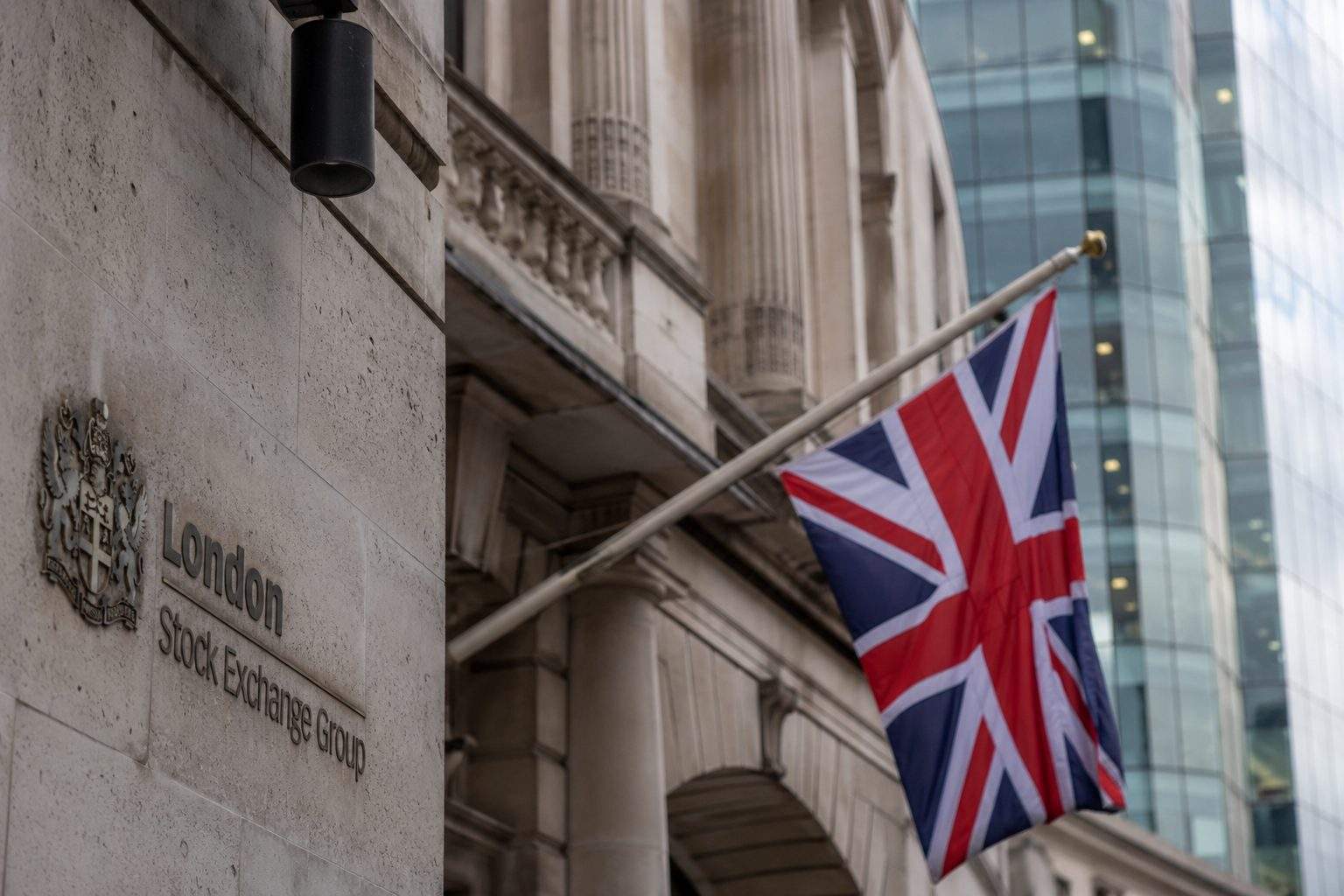
London reopens after the spring bank holiday, with investors playing catch up as global markets traded during Monday’s closure. The London Stock Exchange started Tuesday at 0800 BST. The FTSE 100 closed Friday at 10,466.26. The FTSE 250 finished at 23,167.47.
Oil jumped early. Brent crude was up over 2% in Asia at $98.21 a barrel, Reuters reported, after fresh U.S. strikes in southern Iran dimmed hopes for a speedy U.S.-Iran agreement. FTSE futures rose 0.2% before cash trading opened; Euro STOXX 50 and DAX futures edged lower.
London traders often see a mixed picture with this setup. The FTSE 100 sometimes gets a lift from mining and energy stocks if commodities trade higher. Retailers, airlines, and other firms more exposed to UK consumers can face pressure from higher costs for fuel, freight, and power.
Kingfisher tidied up its outlook for investors. The B&Q and Screwfix parent said first-quarter like-for-like sales slipped 0.7% as the market stayed weak. But the group held its full-year adjusted pretax profit target between 565 million and 625 million pounds. Screwfix gained 4.1% in comparable sales, but B&Q dropped 4.1% after a slow spring hurt demand for seasonal products.
The focus isn’t only on Kingfisher. Investors are set to watch for similar trends at other UK home-improvement groups like Wickes and Travis Perkins: steady trade customers, softer do-it-yourself sales, and shoppers still cautious on spending.
Shop prices in the UK climbed 1.2% in May on the year, according to the British Retail Consortium. That’s higher than the 1.0% rise in April. Food inflation pulled back, hitting 2.7%. BRC chief Helen Dickinson said “cutting red tape” could help bring inflation lower. Reuters
Early gains could be shaky if the rally depends on hopes for a quick peace. Joseph Capurso, strategist at Commonwealth Bank of Australia, told Reuters he was “a bit sceptical” on the Iran talks and said “a lot we don’t know”. Eric Robertsen at Standard Chartered flagged “inflation and fiscal risks” as sticking around, not just brief flashes tied to geopolitics. Reuters
But if talks hit a wall, or the Strait of Hormuz stays tight, or crude holds above $100 for long, the downside risk could show up quickly. Daniela Hathorn, senior market analyst at Capital.com, said the market’s “tolerance for negative headlines is shrinking.” William Bain at the British Chambers of Commerce agreed, saying there’s “no quick fix” for the economic shock. The Guardian
CBI’s distributive trades survey, a monthly look at UK retail sales, is next up at 1100 BST. Right now, the UK market is holding steady, though the index’s strength isn’t coming from the most reassuring place.