New York, March 19, 2026, 13:12 EDT
- Spot gold dropped 3.9% to $4,629.29 an ounce as of 11:07 a.m. ET, with U.S. gold futures for April delivery down 5.4%. That marks the seventh consecutive session of losses for bullion. Reuters
- Central banks left rates unchanged, yet signaled the energy shock might stoke inflation again. Traders responded by shifting bets on the next Fed cut further out, now seeing mid-2027. Reuters
- Selling hit the sector broadly—silver and platinum both slipped, and Newmont tumbled 8.6% on Wall Street. Reuters
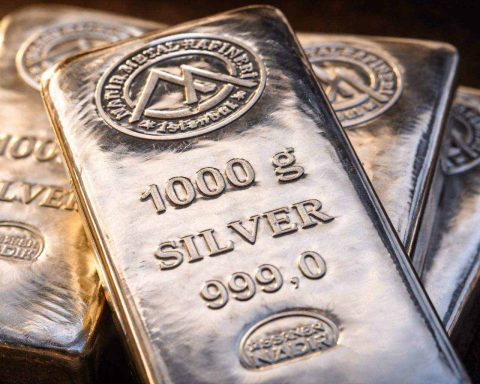
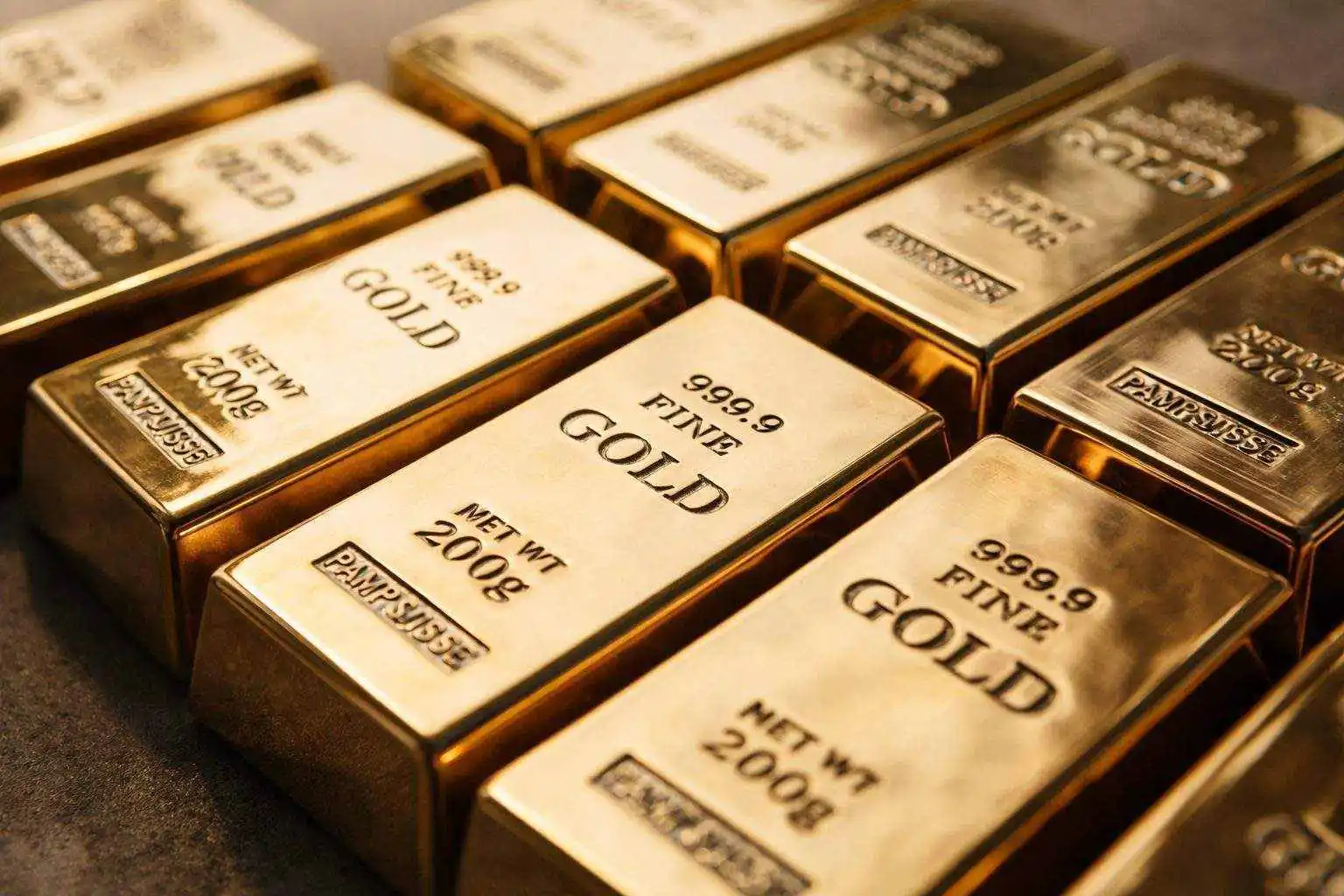
Gold took a sharp dive Thursday, with spot prices slumping 3.9% to $4,629.29 an ounce—marking the lowest since early February—as surging oil and a hawkish stance from top central banks weighed on appetite for bullion. By late morning in New York, U.S. gold futures due in April shed 5.4%, hitting $4,632.40. Reuters
Gold’s rally over the past year hinged on expectations for lower rates and its safe-haven appeal. But this week, that narrative flipped. Strikes targeting energy sites sent Brent crude soaring past $110—at one point topping $119—fueling fresh anxiety about inflation and putting rate expectations back in the spotlight as the key force for markets. Reuters
Gold’s reputation as a safe haven during war or inflation is well known, but the metal doesn’t generate yield—so enthusiasm tends to fade when rates are expected to stay elevated. Central banks including the Fed, ECB, Bank of England, Bank of Japan, and Bank of Canada all opted to hold rates steady this week. The ECB, notably, lifted its 2026 inflation projection to 2.6%, up from 1.9% in December. Reuters
Markets shifted rapidly. According to LSEG data, traders have pushed back bets on a Fed rate cut, scrapping hopes for this year and now targeting mid-2027 for any policy easing. “What is unsettling markets now is the growing stagflation risk,” said Charu Chanana, chief investment strategist at Saxo in Singapore, referring to persistent inflation paired with sluggish growth. Reuters
Daniel Ghali, commodity strategist at TD Securities, pointed out that gold’s rally was losing steam, with institutional players pulling back from overstretched bets. Even so, he said the metal could slide further and still stay within its broader bull-market trajectory. Reuters
Wednesday’s action told the story. Spot gold dropped 2.9% to $4,860.21 after the Fed kept rates steady at 3.50%-3.75%, with a stronger dollar piling on. “Not nearly enough,” independent metals trader Tai Wong said of Powell’s signals for gold. Reuters
The rout didn’t stop at gold. Silver tumbled 5.9%, platinum shed 4%. Mining names followed: Newmont dropped 8.6%. The S&P 500’s materials sector gave up 2.3%. Reuters
The turnaround has been sharp. Gold surged to an all-time high at $5,594.82 on Jan. 29. Just last month, JPMorgan stuck to its $6,300 end-2026 forecast—a sign of how fast sentiment has swung. Lower-rate optimism and central-bank purchases have given way to expectations of a higher-for-longer policy stance. Reuters
The next move remains unresolved. According to the IMF, if energy prices climb 10% and hold there for a year, global inflation could pick up by 0.4 percentage points, with output slipping 0.1% to 0.2%. The ECB’s own projections show that a long-lasting hit to oil and gas supplies would push inflation above—while growth drifts below—their baseline outlook. Gold sits in the crosshairs: persistent inflation tends to lift bullion, but any tightening in policy keeps a lid on gains. Should growth falter, haven bids might re-emerge. Reuters