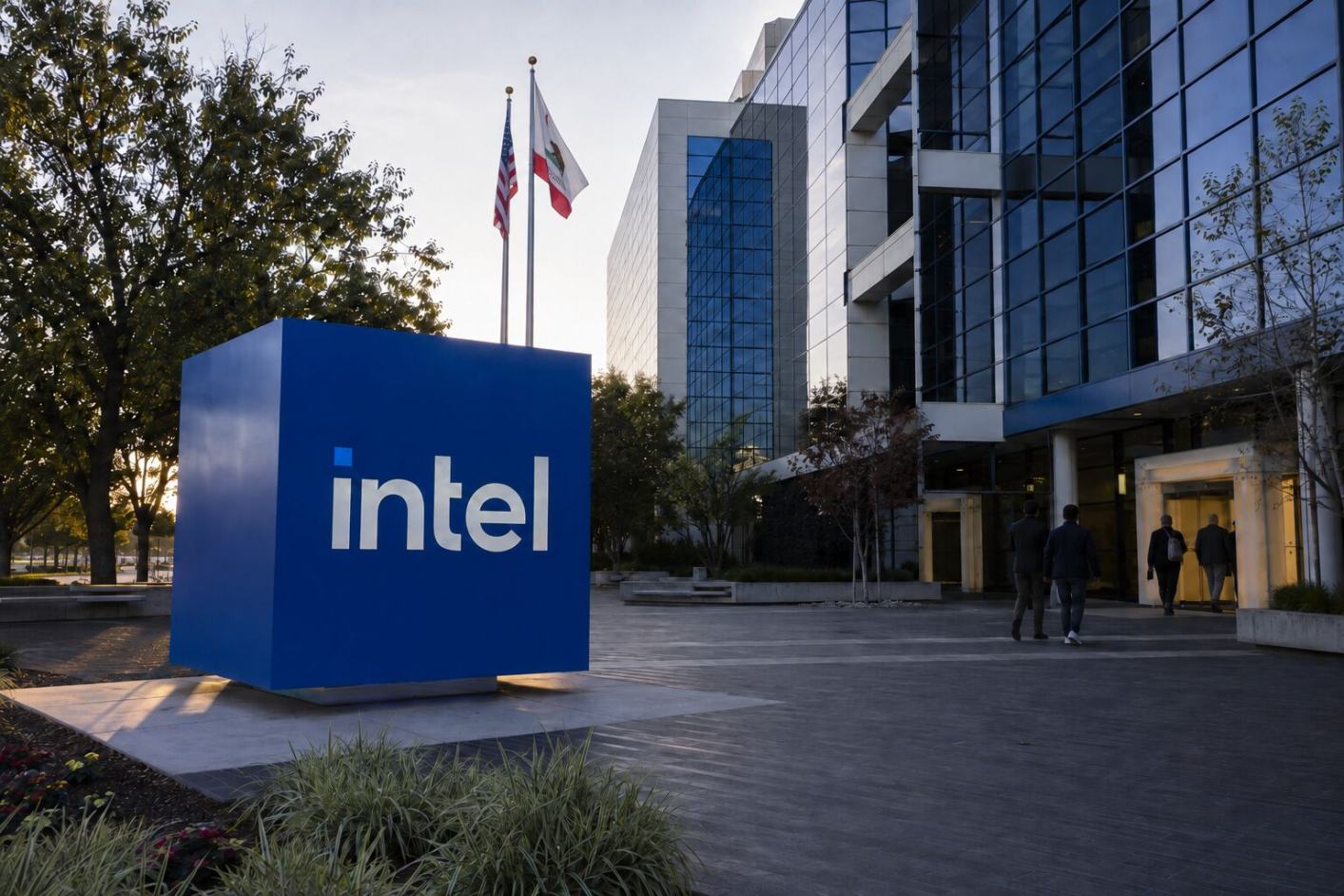

SANTA CLARA, California, September 3, 2026, 04:05 PDT — Intel’s $454 billion valuation faces renewed examination, as the company’s foundry business continues to generate 95% of its revenue from internal sources.
- Intel ended the session at $90.05, gaining 1.21%, but retreated 0.68% in premarket trading ahead of Thursday’s open.
- External clients contributed only $293 million, accounting for 5.1% of the foundry’s quarterly revenue.
- Intel Foundry reduced its operating loss by 34% from a year earlier, reporting a loss of $2.09 billion.
At Wednesday’s close, Intel Corporation NASDAQ:INTC held a valuation of $454 billion. However, just 5.1% of its most recent foundry revenue originated from external clients. This discrepancy stands as the key challenge for the chipmaker’s turnaround.
The stock finished Wednesday at $90.05, marking a gain of 1.21%. By 06:41 EDT Thursday, shares were at $89.44, representing a 0.68% decline from the previous close. At the close on Wednesday, Intel’s price-to-sales ratio stood at 8.59 times annual revenue MarketBeat.
Intel shares: seven closes and premarket
USD per share. Closing data: StockAnalysis.com. Premarket price: MarketBeat.
Daily closes: August 25, 87.48; August 26, 88.24; August 27, 92.09; August 28, 89.47; August 31, 89.51; September 1, 88.97; September 2, 90.05. September 3 premarket, 89.44.
The foundry segment’s loss narrowed, declining to $2.09 billion from $3.17 billion a year prior. The loss margin was cut in half to 36%, as revenue climbed 31% Intel’s Form 10-Q.
Foundry economics improved, but stayed deeply negative
Second quarter, year-over-year comparison
Q2 2025: $4.42bn · change: +31%
Q2 2025: $3.17bn · change: −34%
Q2 2025: 72% · improvement: 36 points
5.1% of segment revenue
Source: Intel Q2 2026 Form 10-Q.
The composition is more important than overall growth. Intel Foundry reported $5.77 billion in revenue, with $5.48 billion removed due to consolidation. Revenue from third-party foundry and assembly reached $293 million.
External customers remain a small foundry slice
Second quarter ended June 27, 2026. Source: Intel Form 10-Q. Percentages calculated from reported figures.
As a result, most of the turnaround is being financed by the product business. Operating income from client computing reached $2.34 billion, while data center and AI generated $2.47 billion in operating income, almost quadrupling its figure from the previous year.
Intel reported a 25% increase in second-quarter revenue to $16.13 billion. Data center and AI revenue surged 59%, with client computing up 13%. “AI is driving unprecedented demand for compute,” Chief Executive Lip-Bu Tan said Intel earnings release.
The balance sheet imposes a stricter threshold. By June, cash and short-term investments declined to $29.73 billion. Debt climbed to $50.54 billion, resulting in a $20.81 billion shortfall SEC filing.
Wall Street analysts remain divided. The most recent consensus rating is Hold, with an average price target of $107.46. This suggests a potential upside of 19.3% from Wednesday’s close, though 62% of analysts continue to rate the stock as neutral.
Intel analyst recommendations
September 2 close
average target
implied upside
Consensus as displayed September 3, 2026. Source: MarketBeat. Recent individual actions: StockAnalysis.com.
Price targets vary significantly. In August, Bank of America maintained its $145 target. JPMorgan, meanwhile, kept an $85 target in late July, which is under the present price analyst history.
The third-quarter results will provide the next operational assessment. Intel projected revenue between $15.8 billion and $16.8 billion. The company also anticipated a non-GAAP gross margin of 42% and non-GAAP earnings per share of 38 cents.
Wider market gains provided support on Wednesday. The Nasdaq Composite rose 0.5% and Treasury yields stabilized. However, Intel’s premarket fall highlighted that the foundry issue is specific to the company Associated Press.
Risks: External foundry order arrivals could lag behind capacity expenses. Increased debt levels might limit future investments. A decline in product pricing or reduced demand for PCs and servers may diminish the profits used to finance the foundry expansion.
Related articles: NASDAQ:INTC