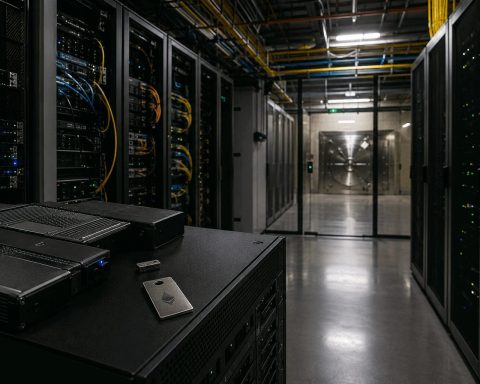

- Undersea cable cuts cripple connectivity – Two major submarine internet cables were severed near the Red Sea, slowing or knocking out service across India, Pakistan, Gulf states and beyond timesofindia.indiatimes.com. Microsoft warned Middle East Azure cloud users of higher latency as traffic rerouted around the disruption timesofindia.indiatimes.com. The Red Sea carries ~17% of global internet data, so repairs (which could take weeks) underscored the fragility of the internet’s backbone timesofindia.indiatimes.com.
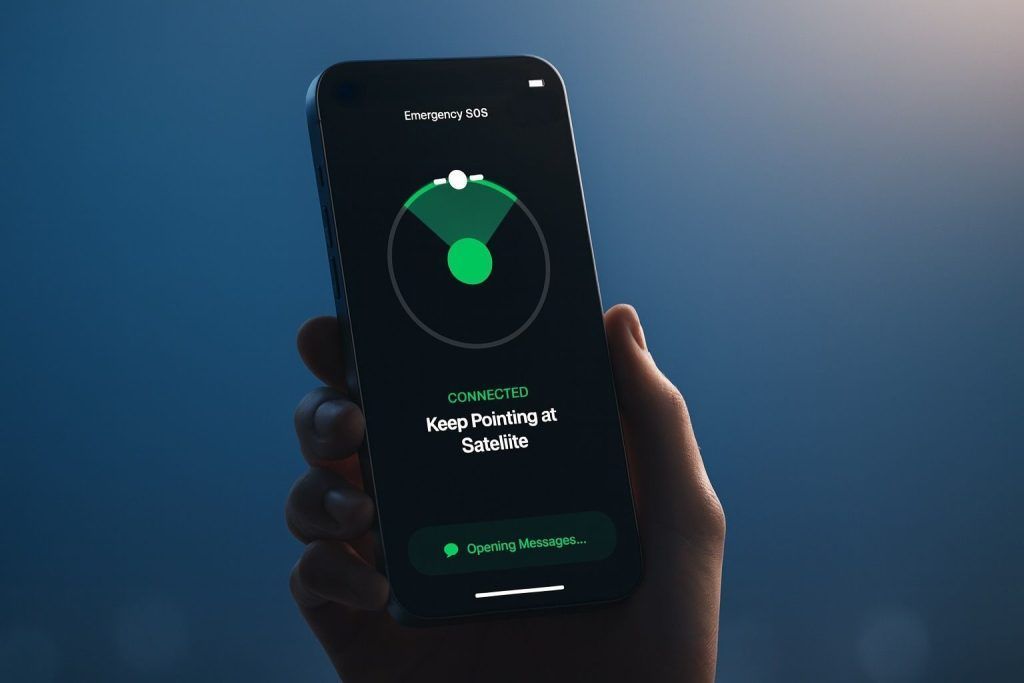
- SpaceX’s $17 billion spectrum bet – Elon Musk’s SpaceX agreed to buy ~$17 billion in wireless spectrum from EchoStar to fuel Starlink’s new direct-to-cell service aljazeera.com aljazeera.com. The deal lets SpaceX launch upgraded “cell tower in space” satellites that it says will boost network capacity 100-fold and help “end mobile dead zones around the world”, according to SpaceX president Gwynne Shotwell aljazeera.com. Regulators touted the partnership’s potential to expand connectivity, as SpaceX even agreed to shoulder $2 billion of EchoStar’s debt aljazeera.com.
- Satellite internet race heats up – Amazon’s Project Kuiper notched a big win by signing JetBlue as its first airline Wi-Fi partner, beating rival Starlink in that arena space.com. Kuiper now has over 100 satellites in orbit and plans to launch 27 more on Sept 25, aiming to start beta broadband service by year’s end space.com. Meanwhile OneWeb, now merged with Europe’s Eutelsat, completed its initial 650-satellite constellation and is activating low-latency internet service in new markets from South Korea to India ts2.tech.
- Deadly unrest over social media ban in Nepal – Nepal’s government blocked Facebook, YouTube, Instagram, WhatsApp and 22 other platforms for failing to register locally, sparking the country’s worst unrest in decades reuters.com aljazeera.com. On Sept 8, thousands of youth protesters (dubbed a “Gen Z” movement) clashed with police in Kathmandu; at least 19 people were killed and over 100 injured as security forces fired rubber bullets and tear gas reuters.com aljazeera.com. The Home Minister resigned over the violence reuters.com. Facing public fury, officials lifted the social media ban within a day aljazeera.com. “This isn’t just about social media – it’s about trust, corruption, and a generation that refuses to stay silent… For them, digital freedom is personal freedom. Cutting off access feels like silencing an entire generation,” Nepal’s Kathmandu Post wrote in an editorial aljazeera.com.
- Authoritarian crackdowns and shutdowns – In Turkey, authorities throttled bandwidth on X (Twitter), YouTube, Instagram, TikTok, WhatsApp and Facebook for about 21 hours starting Sept 7, amid opposition rallies protesting a disputed election result reuters.com reuters.com. NetBlocks confirmed the widespread slowdown, which was lifted after a day. In Pakistan, the entire province of Balochistan (around 15 million people) remained under a government-ordered mobile internet blackout now entering its second month ts2.tech. Officials initially cut service in early August during military operations against insurgents and quietly extended the shutdown past its Aug 31 expiry, drawing condemnation from rights groups concerned about “punishing ordinary citizens” and isolating the region ts2.tech. And in Iraq, the government imposed its annual exam-season tactic of nationwide internet blackouts for a few hours each morning to curb cheating on school tests ts2.tech – a practice that disrupts millions and has been criticised by digital rights advocates.
- Russia tightens internet control – As of Sept 1, new laws in Russia dramatically escalated online censorship. Russians now face fines up to 5,000 roubles for searching for banned “extremist” content – even via VPN – under amendments passed by the Duma reuters.com reuters.com. Officials also outlawed VPN advertisements and hinted at banning Meta-owned WhatsApp (since Meta is labeled “extremist” in Russia) reuters.com. Digital rights groups warn the vague law is meant “to create fear…to increase the level of self-censorship” among internet users reuters.com. The crackdown includes requiring all new smartphones to pre-install a state-approved messaging app. Critics say Russia’s “digital sovereignty” measures risk severing citizens from the global internet.
- Broadband buildouts and policy shifts – Around the world, efforts to extend internet infrastructure continued. In the U.S., states submitted plans for the $42.5 billion BEAD program to expand rural broadband. Notably, some states are moving away from a fiber-only mandate in favor of tech-neutral mixes: Louisiana’s revised plan will use fiber for 80% of new connections (down from 95%) and fill the hardest 20% with satellites and wireless, granting SpaceX 9% of the locations (up from 2%) under BEAD funding prescottenews.com. This change – enabled by June guidance that removed the federal fiber preference – already cut Louisiana’s average cost per hookup from $5,300 to $3,900, saving the state $250 million prescottenews.com. Virginia similarly plans ~81% fiber and 10% satellite (including Amazon’s Kuiper) in its rollout prescottenews.com. Western U.S. states announced new fiber projects, with Wyoming approving a $348 million plan to deliver at least 25/3 Mbps internet to every remaining unserved location statewide cowboystatedaily.com. In East Africa, Kenya’s Safaricom and Meta unveiled “Daraja,” a 4,100 km undersea cable linking Kenya to Oman to boost East African bandwidth ts2.tech. Further north, Djibouti Telecom announced a 3,300 km extension of its DARE1 submarine cable down to Tanzania, Mozambique, Madagascar and South Africa (targeting a 2028 launch) ts2.tech. And in a security-driven move, U.S. regulators at the FCC voted to ban Chinese components in new undersea cables landing on American shores, citing espionage risks and noting that 400+ subsea cables carry 99% of global data ts2.tech. “We have seen submarine cable infrastructure threatened in recent years by foreign adversaries,” an FCC commissioner said, stressing the need to protect critical links ts2.tech.
- Closing the digital divide – New initiatives rolled out to bring more people online. The GSMA’s annual report highlighted that 3.1 billion people – 38% of the world’s population – remain offline despite living in areas with mobile internet coverage prnewswire.com. This “usage gap” far exceeds the 300 million (4%) who lack any coverage, and is mainly due to barriers like device cost, digital skills, and awareness techafricanews.com techafricanews.com. (Mobile networks now reach 96% of humanity and account for 84% of all internet connections techafricanews.com.) The GSMA urged a focus on affordability – noting that the cheapest internet-capable phones still cost 16% of monthly income (48% for the poorest users) in low-income countries prnewswire.com. “A device at $30 could make handsets affordable to up to 1.6 billion people who are currently priced out,” said GSMA Director General Vivek Badrinath, calling for a concerted effort by industry, manufacturers, and policymakers prnewswire.com techafricanews.com. In line with that, providers are stepping up: MTN South Africa announced it will sell 4G smartphones for just R99 (~$5) to 1.2 million low-income customers still on 2G/3G networks. This ultra-subsidized Android device (normally ~$40 retail) is part of MTN’s plan to migrate all users to 4G before legacy networks shut down in 2027, ensuring no one is left offline. In the Philippines, telecom PLDT-Smart launched easy, plug-and-play 5G broadband kits to bring home internet to remote villages lacking fiber lines ts2.tech. And in New York City, officials kicked off a “Liberty Link” pilot to deliver free high-speed Wi-Fi to 35 public housing buildings (nearly 2,200 apartments in the Bronx and Harlem) by year’s end statescoop.com. The city is investing $3.25 million so that entire buildings get shared gigabit Wi-Fi, and residents can finally get online at no cost. “The internet is no longer a luxury. It’s an essential service,” NYC Mayor Eric Adams said, noting the program will help job-seekers, students and families in some of the city’s most disconnected communities statescoop.com.
Sources: Global news reports and press releases from Sept 9–10, 2025 (Reuters, Al Jazeera, Times of India, StateScoop, TS2 Space, and others) were used in compiling this roundup timesofindia.indiatimes.com aljazeera.com space.com reuters.com reuters.com prescottenews.com prescottenews.com prnewswire.com statescoop.com, along with statements from officials and industry leaders aljazeera.com aljazeera.com. Each development reflects the rapidly evolving landscape of global internet access – from physical infrastructure challenges and cutting-edge satellite deployments to the ongoing battles over digital rights and inclusion. The 48 hours of news around September 9–10, 2025, make one thing clear: the push to connect the world’s population continues to face both exciting breakthroughs and formidable obstacles.
Related articles: NASDAQ:MSFT