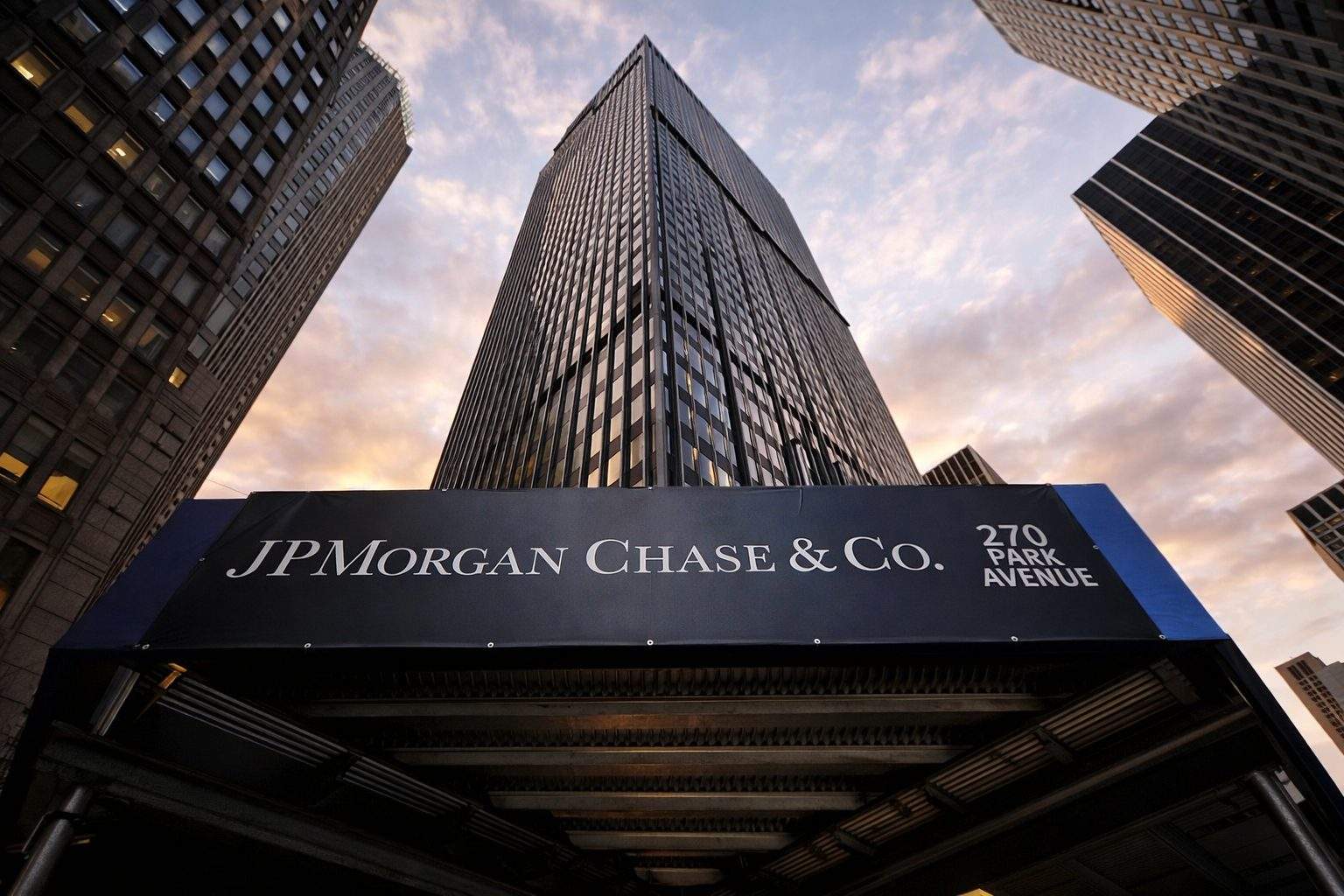

New York, January 20, 2026, 10:37 EST — Regular session
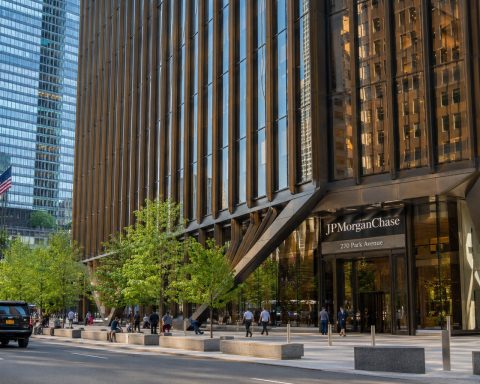
- JPMorgan Chase shares slipped during morning trading, reflecting concerns over policy risks tied to U.S. credit card pricing.
- Investors are keeping an eye on whether the White House will meet the January 20 deadline linked to a proposed 10% cap on credit card interest rates.
- A banking lobby group cautioned that a 10% APR cap might drastically reduce credit availability, affecting even borrowers with higher scores.
JPMorgan Chase & Co shares fell 0.9% to $309.64 in morning trading, hitting a low of $305.37 earlier.
This move shines a new spotlight on a rarely discussed business line for banks: revolving credit. Since credit cards are unsecured, they usually carry higher rates. Imposing a hard cap would crimp the interest income—the spread banks make after covering funding costs.
The news hits amid an already jittery market. Traders have been quick to offload financial stocks at the slightest hint that Washington might impose pricing rules on consumer credit, instead of relying on supervision or disclosure.
President Donald Trump has set January 20 as the deadline for companies to comply with a proposed 10% cap on credit card interest rates. However, it’s still uncertain if this can be enforced without new legislation. Brian Jacobsen, chief economic strategist at Annex Wealth Management, called it “an overhang” that might clear up quickly if the administration shifts the issue toward Congress instead of trying direct executive action. Reuters
U.S. Treasury Secretary Scott Bessent, addressing the World Economic Forum in Davos, called it “not unreasonable” to discuss credit card company practices. This comes after former President Trump suggested a one-year cap. Reuters
The American Bankers Association stepped up its case Tuesday, sharing analysis from issuers covering about 75% of the U.S. credit card market. Their findings? Between 74% and 85% of open accounts would either close or face “drastically reduced” credit lines if a 10% interest rate cap were imposed. That translates to 137 million to 159 million cardholders potentially losing access. ABA President and CEO Rob Nichols warned that “interest rate caps lead to fewer options, higher costs and reduced access.” aba.com
Citigroup shares dropped roughly 2%, Morgan Stanley slid about 1.7%, and Goldman Sachs eased around 0.6% during the same period, highlighting that the selloff extended beyond just JPMorgan.
The broader market faltered as Wall Street dipped, shaken by new trade and geopolitical news linked to Trump’s tariff threats over Greenland. This intensified the sell-off in cyclicals like banks.
The policy impact remains uncertain. If the White House stalls without Congressional approval — or if negotiations shift toward voluntary “low-rate” credit card options — the pressure could vanish just as fast as it appeared. The riskier outcome? A strict cap that withstands legal and political hurdles, pushing banks to adjust pricing via fees, stricter underwriting, or scaled-back rewards.
Investors are focused on potential White House moves after the deadline, plus another key Washington event: Bessent noted Trump might pick the next Federal Reserve chair as soon as next week. The Fed’s upcoming policy meeting is set for January 27-28.
Related articles: NYSE:JPM