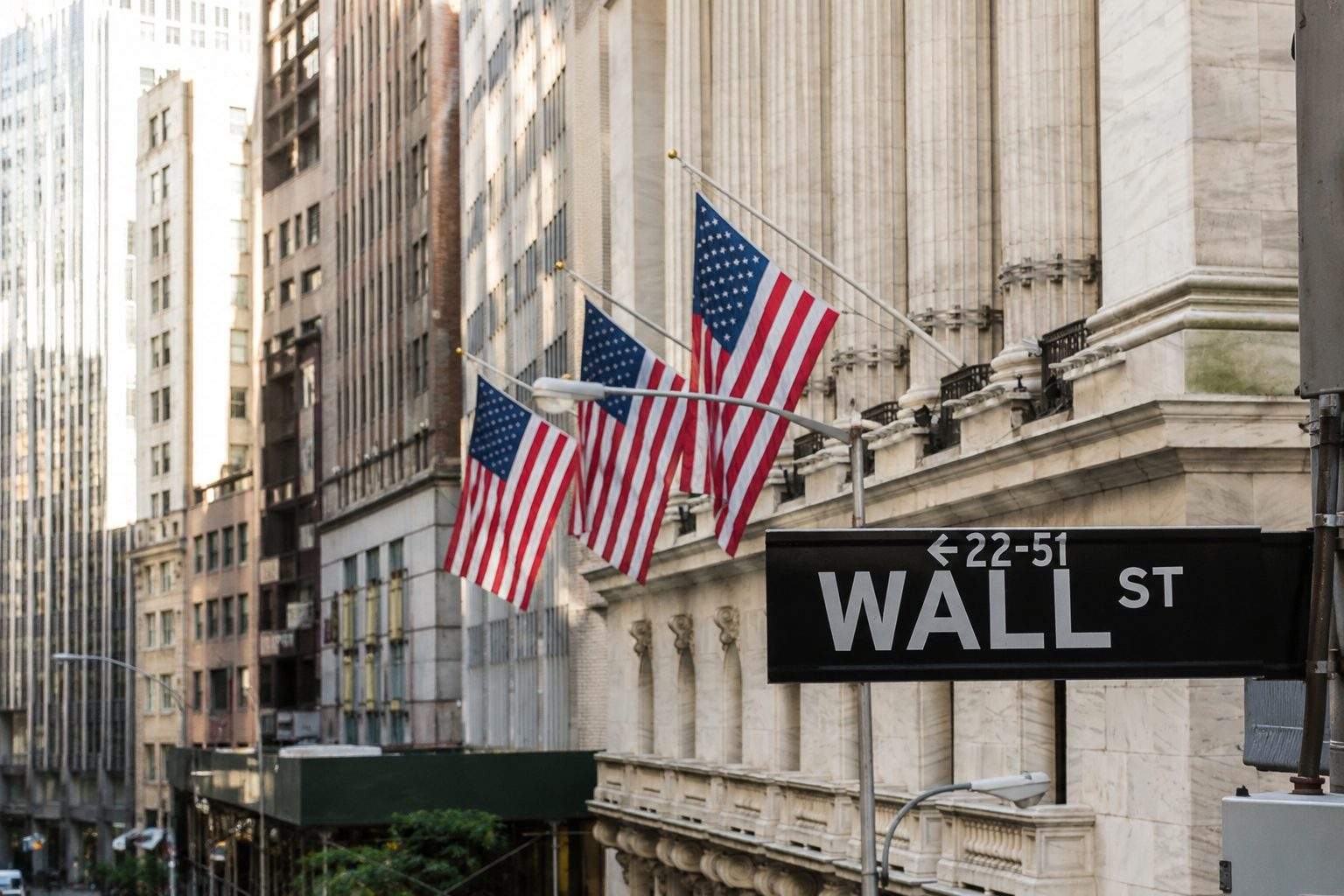

New York, June 23, 2026, 16:02 EDT
- The Nasdaq Composite dropped 2.00% in after-hours trading, while the S&P 500 ended down 1.31% and the Dow Jones Industrial Average edged lower by 0.04%, according to post-close numbers.
- Philadelphia SE Semiconductor Index dropped 7.6%. Nvidia, Micron and SanDisk were key drags.
- Investors eye Micron’s earnings Wednesday and the Fed’s inflation report Thursday as the next hurdles for AI stocks and rate bets.
US stocks fell on Tuesday, with the Nasdaq and S&P 500 both closing at their lowest in more than a week after chip stocks tumbled. The moves ended the relative calm that followed last week’s Middle East de-escalation. According to MarketWatch, the Nasdaq Composite dropped 2.00%, the S&P 500 lost 1.31%, and the Dow Jones Industrial Average slipped 0.04%.
Chips are now where the pressure sits for the market. Investors have leaned on artificial-intelligence stocks for most of this year’s gains, so when those names get repriced, indexes react quickly. That’s even more the case as some traders bet on more Fed rate hikes.
The Philadelphia SE Semiconductor Index slid 7.6% as the S&P 500 technology sector dropped 3.2%. Nvidia lost 3.3%. Alphabet gave up 1%. Shares of Intel, Marvell Technology, and Advanced Micro Devices all fell hard, dropping anywhere from 5.8% to 9.4%, Reuters said. Micron Technology dropped 13%, SanDisk fell 13.6%.
“Some of the news lately about AI raises questions about all the spending that’s being done,” Thomas Martin, senior portfolio manager at Globalt, said. He’s worried about capex—capital expenditure. That’s the money firms put into big projects like data centers, chip plants, and power systems. Reuters
Micron is set to post quarterly numbers on Wednesday. Investors want to see if AI server memory chip demand is still holding up after the sector’s big run. Last week Reuters said Big Tech could push AI spending above $700 billion this year from $400 billion in 2025. That helps explain why a rough session for chips can move the whole market.
Rotation showed up in the session. Consumer staples rose 1.7%, healthcare was up 1.3%, real estate added 1.4%, and utilities moved up 0.9%. Information technology dropped 3%. The data comes from FactSet, as reported by MarketWatch.
The Dow stayed more stable, with less exposure to the chip selloff. MarketWatch reported IBM, Sherwin-Williams and Microsoft supported the price-weighted index in the session, but Caterpillar dropped 4% and weighed on it.
Rates are under pressure again. Reuters said traders now see higher odds of a second Fed hike by December. Investors are reacting to a hawkish Fed led by Kevin Warsh. The next key data point is core PCE, out June 25. The Bureau of Economic Analysis says the PCE index, which leaves out food and energy, is watched by the Fed to track underlying inflation.
Some banks stayed upbeat in their S&P 500 calls. Barclays and Stifel both lifted their year-end targets to 7,800, citing solid earnings. Barclays analysts led by Venu Krishna said the “equity bull case remains intact” but also pointed out it’s going to need clearer earnings and more AI capex spending as Fed support fades. Stifel strategist Thomas Carroll flagged that stock concentration hit a 40-year high and said this may trigger some rotation out of megacaps. Reuters
Calm returned somewhat on the geopolitical side, though it was short of clear. The U.S. gave Iran a 60-day sanctions waiver, following early talks tied to a small peace deal. Mixed signals about nuclear checks and oil sanctions meant Middle East risk didn’t go away.
The risk is that coming data could move the market lower. A soft outlook from Micron might have investors doubting AI demand. If PCE runs hot, it could spark more rate-hike bets and drag on pricey growth names. A cooler inflation figure or stronger chip demand could counter that pressure.
Related articles: NYSE:IBM



![US Stock Market Today 08/23/2026 [UPDATE: 08:13 EDT] [Nvidia and PCE Face a Bond-Stressed Market: Weekly Recap and Week Ahead]](https://ts2.tech/wp-content/uploads/2026/08/US-market-dashboard-2026-08-23-0810-480x384.jpg "US Stock Market Today 08/23/2026 [UPDATE: 08:13 EDT] [Nvidia and PCE Face a Bond-Stressed Market: Weekly Recap and Week Ahead]")