
Seoul, June 7, 2026, 00:03 (KST)
- SK hynix ended Friday at 2,070,000 won, off 9.92%. The KOSPI closed down 5.54%.
- The stock dropped roughly 12% in five sessions after hitting a record high June 2.
- Next week, investors will decide if the move is a pause after a strong run in the AI-memory trade, or if it’s a real break in the trend.
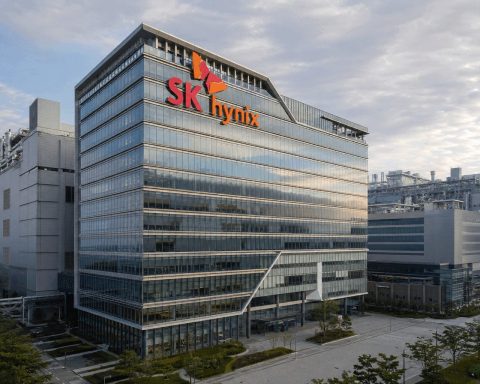
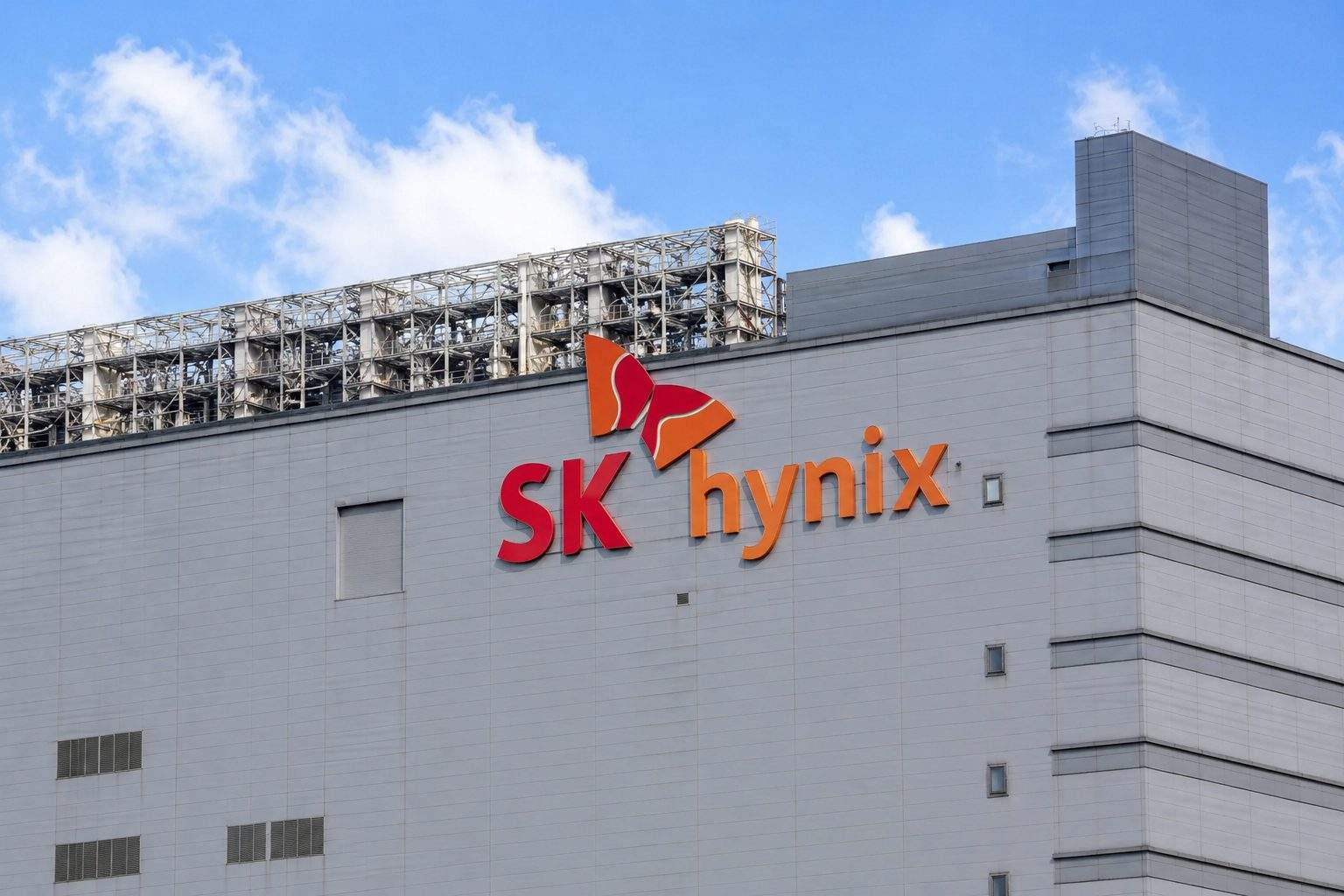
SK hynix stock is still reeling as the new week opens, after sliding hard on Friday. Seoul markets don’t trade on weekends, so the last price stuck. Shares finished June 5 at 2,070,000 won, dropping 228,000 won, or 9.92%. Market cap landed near 1,475 trillion won by the close, according to Google Finance.
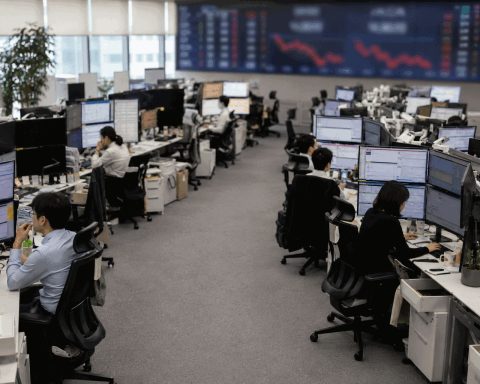
SK hynix is now a key AI memory play in Asia, so moves in its stock matter for the region. The KOSPI index dropped 5.54% to 8,160.59 on Friday. A “sidecar” pause in program trading kicked in during the morning after tech shares slid. Google
SK hynix gave back some ground after its rapid run. TradingView data had the stock up almost 218% for the year, despite losing 11.99% over the last five sessions and hitting a record 2,407,000 won on June 2. Monday’s open felt more like a test for the AI memory trade than a standard day for chip names.
SK hynix gave some investors an update last week, saying it got “tremendously positive” feedback on its U.S. listing plan. The company “plans to issue ADRs within 2026,” though key terms like size and timing are still to be set. The SEC is still reviewing the plan, SK hynix said. Reuters
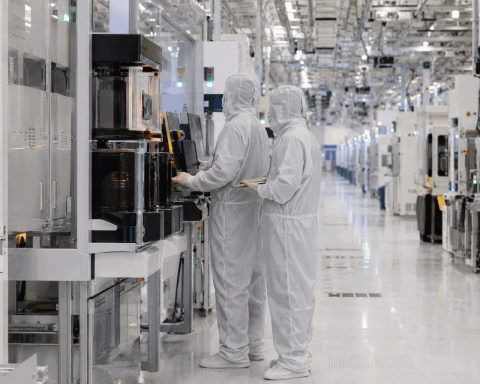
Capacity was in focus. SK Group Chairman Chey Tae-won told Computex that SK hynix wants to “double the whole capacity” over the next five years, but also said HBM prices shouldn’t spike enough to hurt the AI sector. SK hynix took 58% of the global HBM market in Q1, with Samsung Electronics and Micron Technology each at 21%, according to Counterpoint data reported by Reuters. Reuters
Nvidia gave investors some extra ammo on Friday, but no green light. CEO Jensen Huang, speaking in Seoul, said Samsung, SK hynix and Micron have all qualified to supply HBM4 chips for Nvidia’s Vera Rubin AI line. “Memory is constrained,” Huang said, noting the new products will need a lot of memory. Reuters
Wall Street weighed heavy on the tape as chipmakers trading in the U.S. shed roughly $1.3 trillion in value Friday. The PHLX Semiconductor Index closed down 10.3%, posting its worst single-day fall since March 2020. Shares of Micron ended off 13%. Nvidia gave up 6%. AMD slid nearly 11%. Traders pointed to Broadcom’s report, which rattled hopes that more gains were left in AI stocks.
Ohsung Kwon, chief equity strategist at Wells Fargo, told Reuters the chip sector was “way overbought,” but said: “I don’t think it’s the end” for the bull run in chips. For SK hynix holders, the key question now is whether Friday’s move was just investors de-risking a crowded trade, or if it’s the start of something bigger. Reuters
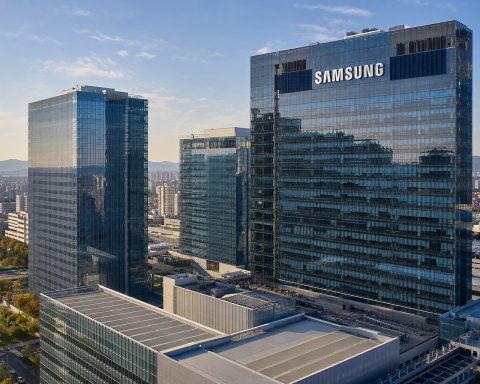
The read-across hit Seoul stocks hard. Samsung Electronics shed 6.40% Friday, and Hanmi Semiconductor lost 6.91%, according to Google Finance. SK hynix’s deeper slide pointed to its AI premium and the view among investors it is more exposed to HBM demand.
Some analysts still stick with the shortage view. Kim Young-gun at Mirae Asset Securities in Seoul wrote last week that memory-chip demand will run ahead of supply through 2028, according to Reuters. He lifted target prices for SK hynix and Samsung.
The risk section is real. If the drop in U.S. chip stocks spreads to Asia or if traders get nervous about HBM prices holding up as SK hynix and Samsung ramp up production, shares could lose more ground from their June highs. The U.S. listing could bring in new investors, but it’s still not final—any holdup or a smaller deal than expected means the stock is back to moving on just one thing: Nvidia memory orders.
Markets will look first to Seoul’s Monday open. Attention turns next to Nvidia supply comments, chip sector action in the U.S., and any news on SK hynix’s ADR plan. A quiet U.S. session might give bulls room to claim Friday’s drop was only a reset. But if shares keep sliding, the AI-memory trade could lose some of its one-way appeal from earlier in the week.
Related articles: KRX:000660