
SEOUL, July 20, 2026, 21:12 (KST)
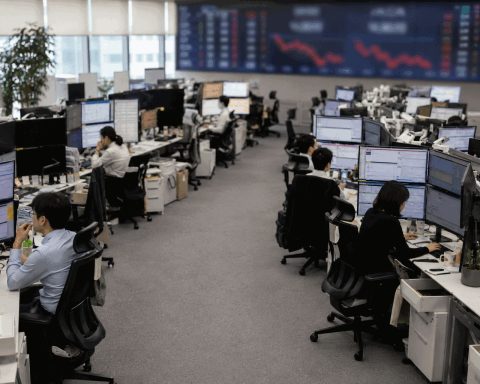
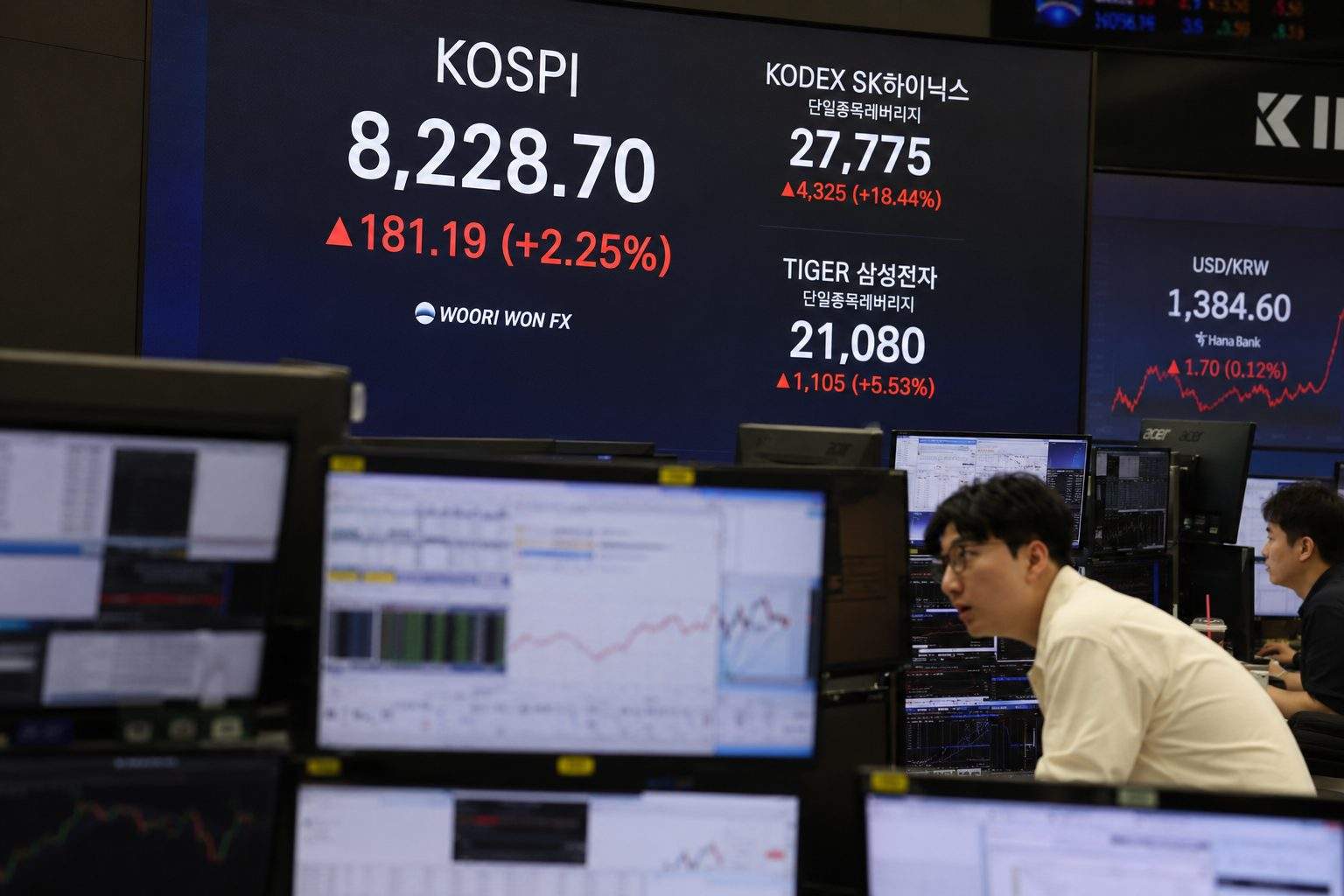
- Trading in Seoul has ended, with the KOSPI dropping 4.46% to close at 6,516.27.
- At the close on Monday, two chipmakers accounted for 50.33% of benchmark value.
- An initial estimate indicated their total drag amounted to 2.15 percentage points.
According to initial data, Samsung Electronics KRX:005930 and SK Hynix KRX:000660 made up 48.2% of Monday’s fall on the KOSPI. The main index ended the session down by 304.33 points. Program selling was momentarily restricted by a sell-side sidecar.
Such concentration alters the risk profile. A KOSPI index tracker now holds a significant exposure to memory-chip stocks without picking individual names. Together, the two stocks made up 50.33% of the benchmark’s value at the close.
Leveraged ETFs introduce an additional complexity. The daily reset mechanism leads funds to purchase following gains and offload after losses, with a significant portion of this activity occurring close to market close.
The initial estimate applies closing weights and the stocks’ almost matching drops. It shows a 2.15 percentage point impact. This accounted for 48.2% of the index’s decrease.
Monday’s closing figures illustrate the extent. Peak drawdowns are estimates.
| Security | Monday close | Monday move | Approx. drawdown from June peak |
|---|---|---|---|
| KOSPI | 6,516.27 | down 4.46% | around 28% |
| Samsung Electronics | 244,000 won | down 4.31% | around 34% |
| SK Hynix | 1,764,000 won | down 4.23% | around 40% |
External shocks remained significant. Uncertainties over AI expenditure and tensions in the Middle East reduced investor risk appetite. Concentration helped spread these shocks throughout the index.
Monday’s move was more than just foreign withdrawal. Foreign investors made net purchases totaling 523.5 billion won overall, and 887 billion won in the leading chip stocks. Institutional investors were net sellers, offloading 921.7 billion won. That breakdown calls into question broad narratives of foreign exodus.
The previous week proved harsh as the KOSPI dropped 8.8% over four trading days. The index declined 8.95% on Monday and slid another 6.37% on Thursday, despite temporary recoveries in the middle of the week. Markets were closed on Friday for Constitution Day.
Goldman Sachs NYSE:GS reported $28 billion in assets in leveraged ETFs linked to the pair as of Thursday. This figure marked a drop from the $53 billion peak recorded on June 22. Two-thirds of the holdings remained with onshore funds.
Retail balance sheets are still vulnerable. Margin loans reached 34.37 trillion won as of July 15, a decrease from the all-time high of 38.63 trillion won. Overall investor debt was above 60 trillion won at the end of May.
“The risk is asymmetric,” Inki Cho, senior strategist at Exness, said. According to Cho, leverage accelerates losses more rapidly than gains during price fluctuations. Reuters
Authorities paused new listings for a short period last week. On August 5, the minimum required cash balance will increase threefold to 30 million won. In November, the minimum trading lot will jump to 20 from the current one. There were already 16 products in circulation.
On July 15, President Lee Jae Myung described the market as “quite unstable” and pressed regulators and the exchange to ready additional measures. The response has now become part of his wider effort to advance market development. chinadailyhk
Fundamentals provide balance. Reuters noted on Friday that each chipmaker’s shares traded at under five times estimated earnings. Such low valuations may attract investors. Still, daily rebalancing remains unaffected.
Complete results this week will not affect the trade reset. SK Hynix is scheduled to report on July 29 at 09:00 KST, with Samsung to follow on July 30 at 10:00 KST. In the meantime, the pace may be influenced by closing-auction volume and margin debt.
Risks are present on both sides. A recovery in chips may compel leveraged funds to purchase near the close. Additional margin calls or stricter limits might intensify the sell-off.
Related articles: KRX:005930