
New York, June 9, 2026, 14:02 (EDT)
SpaceX’s IPO is expected to make the Elon Musk firm a quick entry into index funds. Rule changes could add the stock to the Nasdaq-100 not long after trading begins.
This could impact investors in the Invesco QQQ Trust, since it tracks the Nasdaq-100 and might offer quicker access to SpaceX if the company goes public. Reuters said MSCI will use early-inclusion rules for big IPOs, and Nasdaq has loosened its own rules, which could let new giants join the Nasdaq-100 sooner.
Stocks were volatile. QQQ dropped 2.3% to $699.45 at 1:47 p.m. ET. Marvell Technology slid 11.7% to $255.13, giving back gains from Monday’s surge. Reuters said both the S&P 500 and Nasdaq fell to one-month lows as chip stocks sold off again.
Quiver Quantitative reported the previous day that QQQ rose 2.1%, with Marvell jumping 14.1%. The firm named Micron, Intel, AMD, Marvell, Applied Materials and Lam Research as some of the biggest drivers for the ETF.
QQQ isn’t an active fund. Invesco says it tracks the Nasdaq-100, a basket of the top 100 non-financial names on Nasdaq. Marvell made up 1.05% of QQQ’s portfolio as of June 5, according to Invesco data.
Marvell is the latest chipmaker to get pushed by index flows. The stock jumped Monday after S&P Dow Jones Indices said Marvell will join the S&P 500 before the open on June 22. That shakeup usually sparks portfolio moves by index funds and ETFs. Both Marvell and Broadcom build custom chips for cloud data centers, serving customers looking for alternatives to Nvidia’s expensive AI chips.
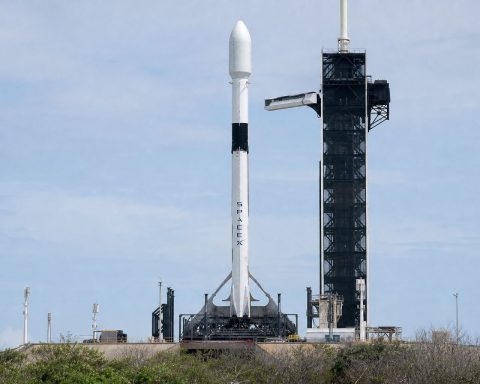
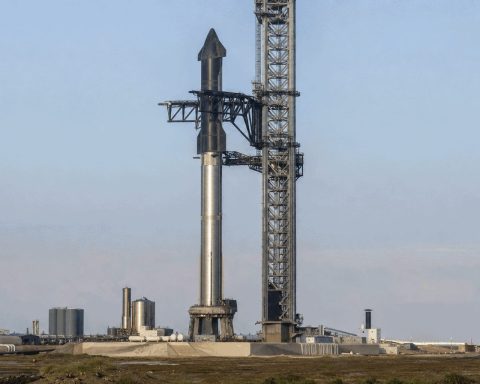
SpaceX is looking to sell 555,555,555 Class A shares at $135 apiece and file for a listing on the Nasdaq Global Select Market and Nasdaq Texas under the ticker “SPCX”. SpaceX said its registration statement isn’t effective yet, so shares can’t be sold until that’s done. Newswire
SpaceX is going out at a $1.75 trillion valuation as the company aims to raise $75 billion, Reuters said. At launch, only about 7% of the shares will be freely tradable. SpaceX reported a 2025 net loss of $4.94 billion, with revenue up 33% to $18.67 billion. S&P Global hasn’t given the green light for S&P 500 inclusion because the company doesn’t meet its profit bar.
Nasdaq Chief Economist Phil Mackintosh and Nicole Torskiy said index providers are changing rules to catch up with companies that stay private longer and go public at a bigger size. The new fast-track process lets very large IPOs into indexes in as few as five to 15 trading days if they pass size and other checks.
The mechanics work in both directions. A small free float — shares open to public trading — can push prices around faster when index funds and retail buyers go after the same shares. Ed Yardeni described it as “forced buying colliding with a very limited supply,” according to Business Insider. Business Insider
Valuation is another worry. Ed O’Gorman, CEO of River Wealth Advisors, told Reuters the fundamentals at SpaceX are “really tough.” PitchBook analyst Franco Granda also questioned how investors should put a number on SpaceX’s orbital data-center push, which has few public comps. Reuters
Public space comps are imprecise. Retail traders sometimes pick Rocket Lab as a SpaceX stand-in, but The Motley Fool put SpaceX’s 2025 revenue around $18.7 billion. Rocket Lab’s is $602 million.
QQQ investors aren’t just watching whether SpaceX pops on day one. The real issue is if a passive Nasdaq-100 ETF can take in a big, fast-moving, money-losing megacap with limited float, without pushing the fund into higher concentration, extra volatility, and bigger single-name risk.
Related articles: NASDAQ:SPCX