
Dec. 25, 2025 — With U.S. markets closed for Christmas Day, investors are spending the holiday digesting a rare combination of headline signals: a high-profile insider buy at Nike by Apple CEO Tim Cook, record closes for the S&P 500 and Dow Jones Industrial Average, and a commodities complex that has turned “year-end” into “record-end,” led by gold’s surge to the doorstep of $4,500 an ounce. CNA
The backdrop is classic late-December: light trading volumes, seasonal optimism, and traders watching whether the market can extend the so-called Santa Claus rally window into the final sessions of the year and the first days of January. But the details this time are anything but routine—especially for Nike, where one of the world’s most recognizable CEOs chose this moment to “buy the dip.” CNA
Nike Stock Jumps After Tim Cook’s Open-Market Buy: What Happened
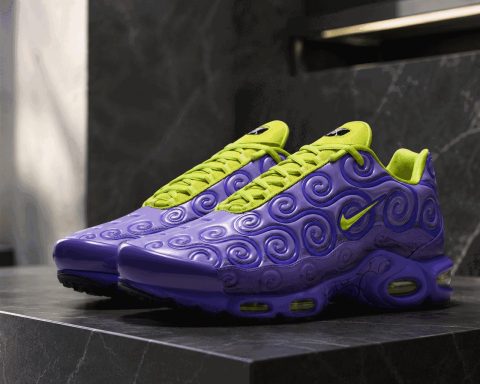
Nike shares climbed sharply in the holiday-shortened session on Wednesday, Dec. 24, after a regulatory filing showed Tim Cook purchased 50,000 Nike shares at an average price of $58.97, an investment of roughly $3 million. The stock finished the day up 4.6%, closing near $60.
Cook’s purchase matters for two reasons:
- Scale and rarity inside Nike’s boardroom: Analysts cited in reporting characterized it as the largest open-market stock purchase by a Nike director or executive in possibly more than a decade.
- Timing: Nike shares had fallen nearly 13% since its Dec. 18 results, pressured by concerns over margins and demand—particularly in China—making the buy look like a deliberate vote of confidence rather than routine portfolio management.
After the transaction, Cook held about 105,000 shares (reported as roughly 105,000–105,480 depending on rounding in coverage), putting the market value of his Nike stake at around $6 million-plus as the stock rebounded.
Nike director Robert Swan—a former Intel CEO—also bought stock this week, spending about $500,000 for roughly 8,700 shares, adding to the narrative that insiders see value after a painful slide.
Why Tim Cook’s Nike Buy Is Unusual—and Why Wall Street Noticed
Cook isn’t a casual observer of Nike’s turnaround attempt. He has been on Nike’s board since 2005 and has served as lead independent director since 2016, a role that typically comes with deeper governance oversight and close interaction with top leadership.
That’s part of why markets reacted quickly: insider buying is often read as a signal that someone with intimate knowledge of a company’s strategy and execution believes the valuation has become overly pessimistic. It’s not a guarantee of a bottom—but it can be an emotional “circuit breaker” for sentiment, especially in a stock that has spent much of 2025 in reverse.
Cook’s buy also landed at a moment when Nike is trying to convince investors it can execute a reset under CEO Elliott Hill, who has been pursuing “Win Now” actions—focused on marketing, innovation in performance categories like running, and rebuilding relationships with wholesalers to improve visibility and distribution. Reuters
Nike’s Core Challenge: Turnaround Confidence vs. Margin and China Pressure
Nike’s rally doesn’t erase the issues that pushed the stock down in the first place.
Reporting this week highlighted several persistent pressure points:
- Margins: Nike has been battling declining margins, with strategies to revive demand and clear inventory straining profitability.
- China: Growth in Greater China has remained a major investor worry, with sluggish demand and competitive intensity weighing on performance and forward expectations.
- Multi-year stock slump: Nike is still on track for a fourth straight year of declines, a rare and psychologically significant losing streak for a legacy consumer brand once treated as a “core” long-term holding. Reuters
Still, analysts broadly remain more optimistic than the stock price suggests. One widely cited benchmark: Wall Street’s consensus price target for Nike has been around $80, well above the ~$60 level where the stock ended Christmas Eve trading.
That gap—between price and consensus expectations—is exactly where insider buys tend to have the most impact, because they validate the “too cheap” thesis in a way earnings call rhetoric can’t.
S&P 500 and Dow Close at Records as the Santa Rally Window Opens
While Nike grabbed the spotlight, it was also a milestone session for the broader market.
In the Dec. 24 shortened session:
- The S&P 500 rose about 0.32% to close at roughly 6,932, a record closing high.
- The Dow Jones Industrial Average gained about 0.60% to close near 48,731, also a record close.
- The Nasdaq Composite added about 0.22%, ending around 23,613.
The session marked the fifth straight day of gains for the major U.S. indexes, with reporting pointing to renewed strength in AI-linked stocks after last week’s valuation jitters and a supportive macro narrative around rate cuts in 2026.
Even intraday, the market was pressing higher: the S&P 500 set an intraday record around 6,920.88 on Dec. 24, surpassing its previous peak from late October.
And importantly for the holiday narrative: the Santa Claus rally “window”—often described as the last five trading days of the year plus the first two of the new year—began on Dec. 24 and runs through Jan. 5, according to reporting that cited the Stock Trader’s Almanac. CNA
The Macro Fuel: Rate-Cut Expectations, Resilient Data, and Thin Volume
The year-end rally has been underpinned by two forces that often work together: a “good enough” economy and expectations that monetary policy will get easier.
On Dec. 24, investors were encouraged by data showing jobless claims fell, easing immediate concerns of a fast-deteriorating labor market.
Markets were also still pricing in about 50 basis points of Federal Reserve rate cuts next year, even if expectations for a January cut remain low.
One more factor amplified the tone: the holiday tape was thin. U.S. markets were operating in a shortened session on Dec. 24 and were set to remain closed on Thursday, Dec. 25. Lower liquidity can exaggerate moves—up or down—because fewer participants are on the field.
Commodities Steal the Holiday Spotlight: Gold Near $4,500, Silver Soars, Oil Weakens
If equities delivered the “Santa rally” headline, commodities delivered the “shock and awe” stat line.
In a global markets wrap, reporting showed:
- Gold held just below $4,500 by the end of the Dec. 24 session after briefly pushing above the threshold.
- Gold and silver were on track for staggering year-to-date gains—about 70% for gold and 150% for silver, even after easing from record levels.
- Oil prices faded and were on course for their steepest annual decline in five years, with U.S. crude around $58 and Brent around $62 in late Dec. 24 pricing.
- The U.S. dollar remained on track for its biggest annual drop since 2017, as traders weighed the likelihood of further Fed easing in 2026.
This commodity backdrop matters for equity investors, too. A surging precious-metals market can reflect anything from inflation hedging to geopolitical anxiety to simple momentum chasing—but it often signals that some investors want protection even while indexes print record highs.
How These Stories Connect: Confidence Trades vs. Caution Trades
Put together, today’s market narrative has a split-screen feel:
- Confidence trade: Investors pushed the S&P 500 and Dow to record closes and rewarded beaten-down Nike on an insider vote of confidence.
- Caution trade: Gold and silver remain near historic highs, suggesting demand for hedges hasn’t vanished—despite the equity rally.
That tension is often how year-end markets behave: portfolio managers reposition, liquidity thins, and the tape becomes a referendum not just on earnings—but on what investors believe the next year’s macro regime will be.
An Investing.com analysis piece published on Dec. 25 pointed out that the Santa rally has historically been viewed as a sentiment signal for the year ahead—though it also noted recent years didn’t follow the “traditional” script. Investing
What to Watch Next After Christmas: Nike Execution, Fed Signals, and the Final Week of 2025
With markets reopening after the holiday, investors will likely keep three near-term questions front and center:
1) Can Nike prove the turnaround is real—especially in China?
Cook’s buy buys Nike time in the court of public opinion, but ultimately the stock will trade on evidence: product momentum, demand signals, and margin stability—especially in regions where the brand has been struggling.
2) Does the Santa rally extend into early January—or fade in thin liquidity?
The rally window runs into early January, and the psychological power of “record highs into year-end” can reinforce risk-on positioning. But light volume can also mean sudden air pockets if a macro headline hits. Reuters
3) Are commodities flashing a warning—or just finishing a historic year?
With gold and silver’s 2025 gains already exceptional, traders will watch whether metals consolidate, extend, or reverse—especially as rate expectations evolve and the dollar’s direction becomes clearer.
Bottom Line
As of Dec. 25, 2025, the market’s holiday storyline is being written by extremes: an iconic CEO stepping in to buy Nike stock amid a bruising drawdown, U.S. equity benchmarks closing at records, and precious metals holding near once-unthinkable levels.
Whether this becomes a clean “Santa rally” handoff into 2026—or a reminder that thin markets can turn quickly—will depend less on holiday optimism and more on follow-through: Nike’s turnaround execution, the Fed’s policy path, and whether risk appetite can coexist with a commodities complex that still looks priced for uncertainty. Reuters
Related articles: NYSE:NKE





![Australia Stock Market Today 28/08/2026 [UPDATE: 13:36 AEST] [Banks and BHP Lift ASX as WAM, PEXA Sink 18%]](https://ts2.tech/wp-content/uploads/2026/08/AU-market-dashboard-2026-08-28-1334-480x384.jpg "Australia Stock Market Today 28/08/2026 [UPDATE: 13:36 AEST] [Banks and BHP Lift ASX as WAM, PEXA Sink 18%]")