
New York, June 10, 2026, 06:05 EDT
- S&P 500, Nasdaq 100 and Dow futures slipped in early U.S. premarket trade. Tech-related contracts led declines.
- Investors are set for May’s CPI at 8:30 a.m. ET. Economists expect the fastest yearly inflation pace since April 2023, according to the Bureau of Labor Statistics.
- New U.S. strikes targeting Iran near the Strait of Hormuz are holding oil and inflation risk in focus for rate watchers.
Stock futures dipped early Wednesday as traders waited for the May inflation print, a report that could shape whether the latest Wall Street slide turns into a buying opportunity or a reset for high-growth names that track rates. E-mini S&P 500 futures last traded at 7,330.25, off 62.50 points. Nasdaq 100 futures were lower by 371.25 points at 28,745.75, while Dow futures dropped 374 points to 50,535, per Barchart data.
Traders aren’t just watching the CPI number. The Consumer Price Index tracks changes in what people pay for daily goods and services. This report comes at a tricky time with oil prices still affected by war risk, bond markets on edge about persistent inflation, and the Federal Reserve set to meet next week. The Bureau of Labor Statistics is set to release the May CPI at 8:30 a.m. ET.
Reuters says economists are calling for CPI to jump 0.5% in May and 4.2% versus last year. That would be the highest year-ago CPI gain since April 2023. The core CPI, which leaves out food and energy, is seen up 0.3% for the month and 2.9% on the year.
Tech drags again as market turns. On Tuesday, the S&P 500 slipped 0.3%, the Dow edged up 0.2%, and the Nasdaq composite lost 1%. Big chip names like Micron, Marvell and AMD gave up early gains as momentum in chip stocks faded. Now, those tech losses run into a key macro risk today—a hot inflation print could lift Treasury yields.
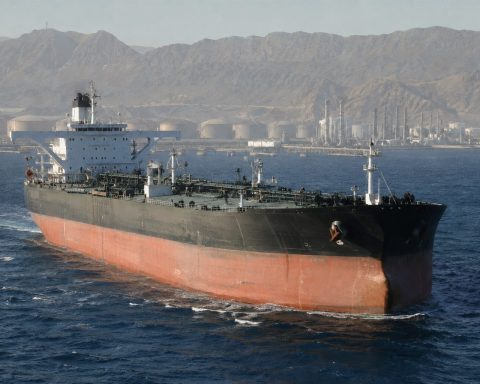
CPI risks are climbing with new geopolitical tension in play. U.S. Central Command said it carried out self-defense strikes on Iranian air-defense, ground-control, and radar targets near the Strait of Hormuz on June 9. The move followed an Iranian attack that took down a U.S. Army Apache helicopter. According to Reuters, Iran’s Revolutionary Guards responded with missile and drone strikes targeting U.S. military bases in Jordan, Kuwait, and Bahrain.
Oil prices held up, but didn’t jump. Reuters put Brent crude at $91.66 per barrel and U.S. West Texas Intermediate at $88.46, both ticking up after hitting seven-week lows the previous day. AP’s early Wednesday numbers showed Brent at $91.78, and U.S. crude at $88.31.
The Fed will have a tougher job sounding calm if CPI data is hot today, Charu Chanana at Saxo said to Reuters. “The Fed probably cannot hike aggressively into a pure supply shock, but it also cannot ignore inflation expectations if oil keeps rising.” Reuters
Fed conditions look less supportive for investors betting on fast rate cuts. May’s jobs report had nonfarm payrolls up 172,000, unemployment steady at 4.3%. March and April payrolls revisions added 93,000 jobs. Solid hiring lowers the odds policymakers will step in if inflation keeps running hot.
Reuters said Tuesday that a new poll shows almost 70% of economists now expect the Fed to hold its key rate at 3.50% to 3.75% through 2026. At the same time, rate futures are showing at least one hike by year-end. The Fed’s next meeting is on June 16–17, with updated economic projections on the agenda.
Two-way risk here. If core CPI comes in hot, the priciest stocks—AI and chip names where valuations lean on long-term growth—could get hit first. But if inflation softens, or if the gas spike in May proves temporary, some of those premarket losses could snap back. Traders have already marked down Nasdaq futures and a handful of chip stocks.
Oil risk is still tough to gauge. Stephen Stanley, chief U.S. economist at Santander U.S. Capital Markets, told Reuters there’s “a good chance” headline inflation tops out in May, but that depends on oil prices not spiking if tensions in the Middle East escalate. Reuters
The market faces a tight setup ahead of the open. CPI needs to come in soft enough to ease concerns about rates, and oil has to stay under control or investors could react to Iran tensions as an inflation risk. CPI hits at 8:30 a.m. ET. The Fed’s meeting June 16–17 could matter more.
Related articles: NASDAQ:MRVL