New York, June 13, 2026, 13:02 (EDT)
- Starbucks closed Friday at $103.04, up 0.74%, and was quoted at $102.62 after hours.
- The stock is trading close to its 52-week high of $108.88, leaving less room for disappointment.
- The next major catalyst is fiscal Q3 results, where investors will look for proof that stronger traffic can keep offsetting labor and coffee-cost pressure.
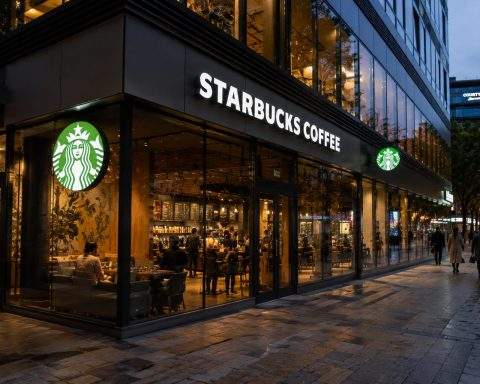
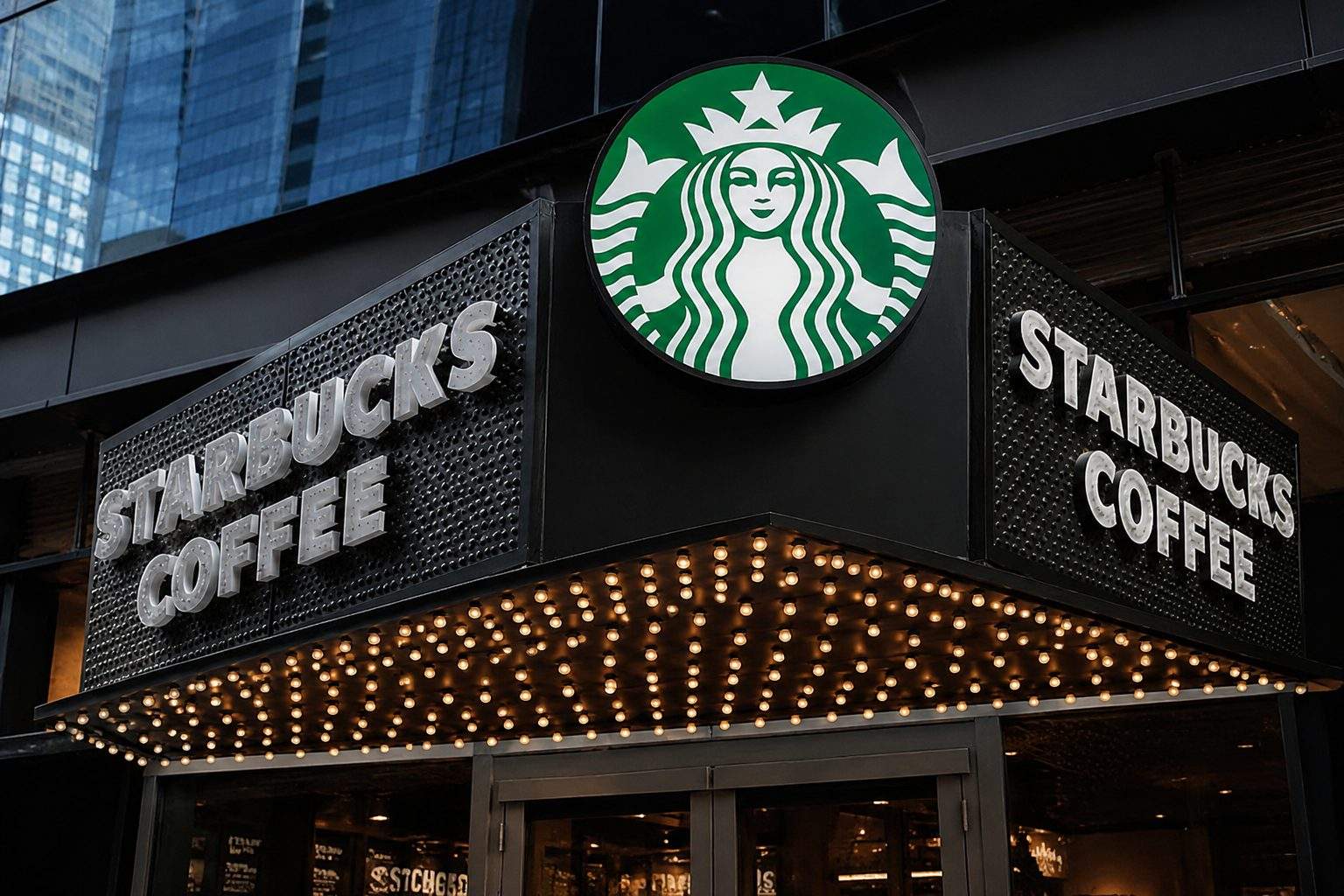
Starbucks Corporation’s Nasdaq-listed shares ended the week with fresh momentum, closing Friday at $103.04, up $0.76, or 0.74%, before slipping to $102.62 in after-hours trading, according to Google Finance market data. The move left the stock roughly 5% below its 52-week high of $108.88, with a market value of about $117.4 billion and a trailing price-to-earnings ratio, or P/E ratio, of 78.64; P/E measures how much investors are paying for each dollar of a company’s past earnings.
The latest price action matters because Starbucks is no longer trading like a deeply out-of-favor turnaround story. Friday’s gain followed a stronger Thursday session, when market data cited by MarketWatch showed Starbucks rising 3.56%, and investors now appear to be pricing in meaningful progress under CEO Brian Niccol’s “Back to Starbucks” plan. MarketWatch That raises the bar for the next earnings update: a stock near a one-year high can keep climbing if sales and margins improve together, but it can also fall quickly if the recovery looks uneven.
The bull case is built on Starbucks’ most recent official results. In fiscal Q2, the company reported global comparable store sales growth of 6.2%, including 7.1% in North America and 7.1% in the U.S. Comparable store sales means sales at locations open long enough to be compared with the prior year; Starbucks says its measure generally includes company-operated stores open 13 months or longer. Revenue rose 9% to $9.5 billion, GAAP EPS was $0.45, and non-GAAP EPS, an adjusted earnings measure that excludes certain items, was $0.50.
Management also raised fiscal 2026 guidance after Q2, a key reason the stock has been able to hold near recent highs. Niccol said on the company’s investor site that “our second quarter marked the turn in our turnaround,” while CFO Cathy Smith said Starbucks was seeing comp growth and cost discipline “starting to show up in margins.” Starbucks Investor Relations Reuters reported after the April results that Starbucks expected fiscal 2026 adjusted EPS of $2.25 to $2.45, up from prior guidance, and annual global same-store sales growth of about 5% or more. Reuters
There is also a possible portfolio catalyst. Reuters reported June 10 that Starbucks is considering options for its Japan business, including a potential stake sale that Bloomberg said could value the unit at 400 billion yen to 500 billion yen; Starbucks declined to comment to Reuters. Japan matters because it had 1,883 stores as of September 2025, nearly 9% of Starbucks’ global store base. Rothschild & Co Redburn analyst Edward Lewis told Reuters, “Any move by the company to monetize in some way their business in Japan will probably be seen as positive.” Reuters
The bear case is valuation and margin pressure. Starbucks’ North America operating margin fell to 9.9% from 11.6% in Q2, with the company citing labor investments tied to “Back to Starbucks,” product mix, inflation, tariffs and elevated coffee pricing. A margin decline of 170 basis points means a drop of 1.70 percentage points, since 100 basis points equals one percentage point. Starbucks Investor Relations That leaves investors with a tougher question: are higher staffing and service investments producing durable traffic growth, or merely buying a short-term sales rebound at the expense of profitability?
Analyst data show optimism, but not a screaming bargain. Google Finance lists 17 buy ratings, 10 holds and one sell among 28 analysts tracked over the past three months, with an average 12-month target of $110.88, about 7.6% above Friday’s close. Google MarketBeat’s broader 33-analyst sample shows a Moderate Buy consensus and an average target of $107.93, implying only 4.74% upside from $103.04. MarketBeat On those verified numbers, Starbucks looks fairly valued to somewhat risky today, not clearly cheap: the turnaround is gaining credibility, but the stock already discounts much of that improvement.
The next major catalyst is Starbucks’ fiscal third-quarter report, because it will show whether Q2’s transaction growth continued and whether store-level investments can translate into better margins. Starbucks’ own quarterly-results page still showed the Q3 earnings release as not available, while third-party earnings calendars point to the late-July to early-August window. Starbucks Investor Relations For the stock, the key numbers to watch are U.S. transactions, North America operating margin, updated 2026 guidance, and any confirmed move on Japan.