NEW YORK, July 9, 2026, 13:03 EDT
- American Airlines was up about 4% in midday trading, ahead of other big U.S. carriers and the U.S. Global Jets ETF.
- The move largely reversed Wednesday’s oil-driven drop, though fuel costs are still the main earnings risk.
- Investors have a tight window before American’s July 23 Q2 earnings call.
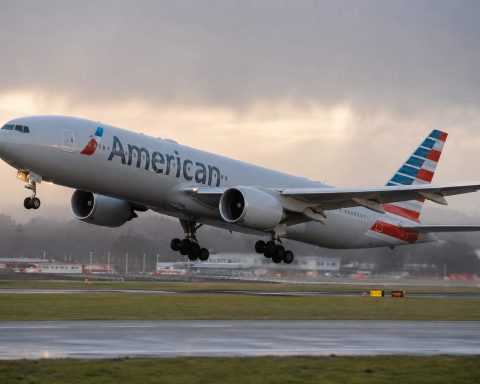
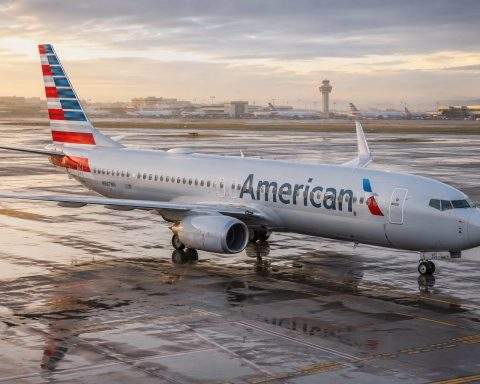
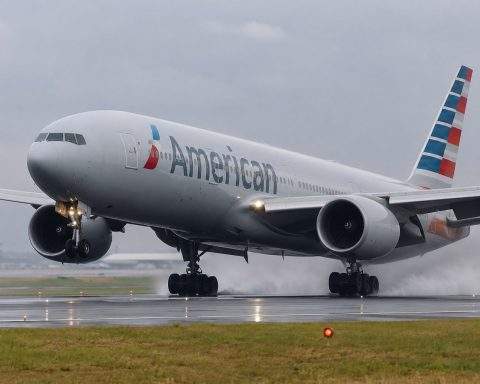
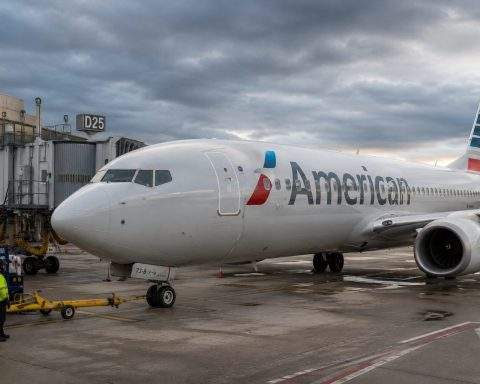
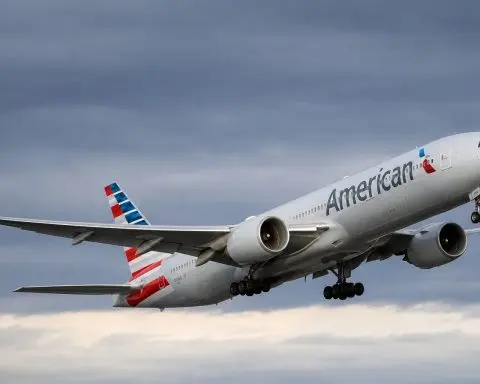
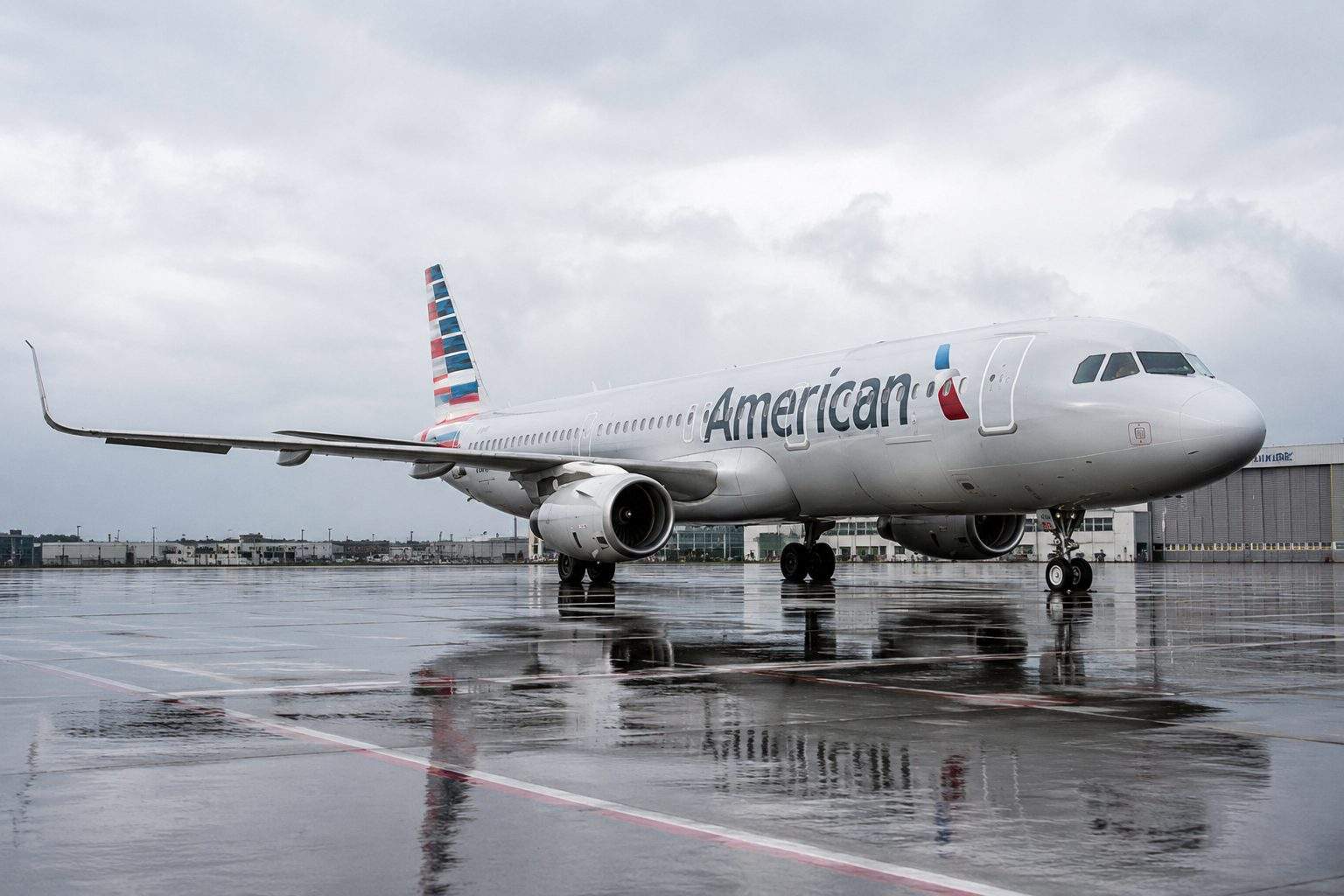
American Airlines Group Inc. NASDAQ:AAL climbed 4.2% to $17.22 around midday Thursday, almost wiping out its loss from the previous day’s oil-driven drop. American led big U.S. airline stocks higher. Its rally topped moves in Delta Air Lines Inc. NYSE:DAL, United Airlines Holdings Inc. NASDAQ:UAL, Southwest Airlines Co. NYSE:LUV and the U.S. Global Jets ETF NYSEARCA:JETS.
American is now moving more with jet fuel prices than with travel trends. Shares dropped about 4% Wednesday after new U.S.-Iran worries drove oil up, the Wall Street Journal said. By Thursday afternoon, the stock bounced back even though the fuel issue stuck around.
| Thursday midday snapshot | Price | Move | Market value | P/E |
|---|---|---|---|---|
| American Airlines NASDAQ:AAL was up 4.2% at $17.22, with a market cap at $11.4 bln and a P/E of 55.5. | $17.22 | +4.2% | $11.4 bln | 55.5 |
| Delta Air Lines NYSE:DAL traded at $88.96, up 1.9%, market value $58.5 bln, P/E 13.0. | $88.96 | +1.9% | $58.5 bln | 13.0 |
| United Airlines NASDAQ:UAL jumped 3.4% to $130.49, market cap $42.4 bln, P/E 11.7. | $130.49 | +3.4% | $42.4 bln | 11.7 |
| Southwest Airlines NYSE:LUV gained 2.1% midday at $49.68, with a $25.0 bln valuation, P/E 33.1. | $49.68 | +2.1% | $25.0 bln | 33.1 |
| U.S. Global Jets ETF NYSEARCA:JETS last traded at $32.57, up 2.4%. | $32.57 | +2.4% | — | — |
American’s stock plays a big role in the airline basket used by investors looking for fast sector exposure. As of July 1, the U.S. Global Jets ETF had American as its top holding at 11.37% of net assets, ahead of United, Southwest, and Delta.
Fuel markets remain strained. Brent crude last changed hands at $79.28 a barrel late Wednesday after U.S. strikes on Iran, Reuters said. U.S. West Texas Intermediate traded at $74.76. The Strait of Hormuz, major for oil shipments, handled around a fifth of the world’s oil supply before the Iran war, according to Reuters.
Fuel is the main swing cost for the industry, able to shift fast. The U.S. Transportation Department said U.S. airlines’ fuel spending in May rose 85% from last year to $6.66 billion, Reuters reported. Delta, United, American and Southwest make up about 80% of domestic flights in the U.S.
American says demand is still carrying the load for now. CEO Robert Isom told investors in May that the airline is “not making any changes” to its forecast, even with fuel prices rising. He said demand is showing a K-shaped trend, with wealthier fliers faring better than budget customers. Isom also said American was around 80% booked for the second quarter and business travel was up 13% from last year. Reuters
American’s April report put the stock’s swings in focus. The carrier set a record for first-quarter revenue but still came in with a loss. Total debt sat at $34.7 billion after dipping under $35 billion for the first time since mid-2015. Adjusted EPS is profit per share excluding special items. ASM, or available seat miles, tracks capacity by multiplying seats by miles flown.
| American Airlines latest guideposts | Figure |
|---|---|
| Q1 revenue | $13.9 bln |
| Q1 GAAP net loss | $382 mln |
| Q1 adjusted loss per share | $0.40 |
| Total debt at quarter-end | $34.7 bln |
| 2026 adjusted EPS outlook | Loss of $0.40 to profit of $1.10 |
| Q2 revenue outlook vs. 2025 | Up 13.5% to 16.5% |
American Airlines set July 23 as the next test. The carrier said Thursday it will webcast its Q2 earnings call that day at 7:30 a.m. CT. Investors will look at whether higher fares, better revenue and fees can balance rising fuel costs.
Wall Street cooled a bit. Melius Research’s Conor Cunningham lowered his rating on American to Hold from Buy and set a $19 price target, according to TipRanks. The analyst said demand was a plus for the carrier and added its controllable costs are less than Delta’s and United’s.
But the uptick may stall if crude climbs again, if Strait of Hormuz trouble lifts jet-fuel costs, or if American can’t get enough fare increases through without denting demand. The bear case: American’s heavy debt and thinner earnings leave less space to absorb a fresh fuel hit compared to rivals with wider margins and better balance sheets.
Related articles: NASDAQ:AAL