STARBASE, Texas, July 25, 2026, 08:09 CDT
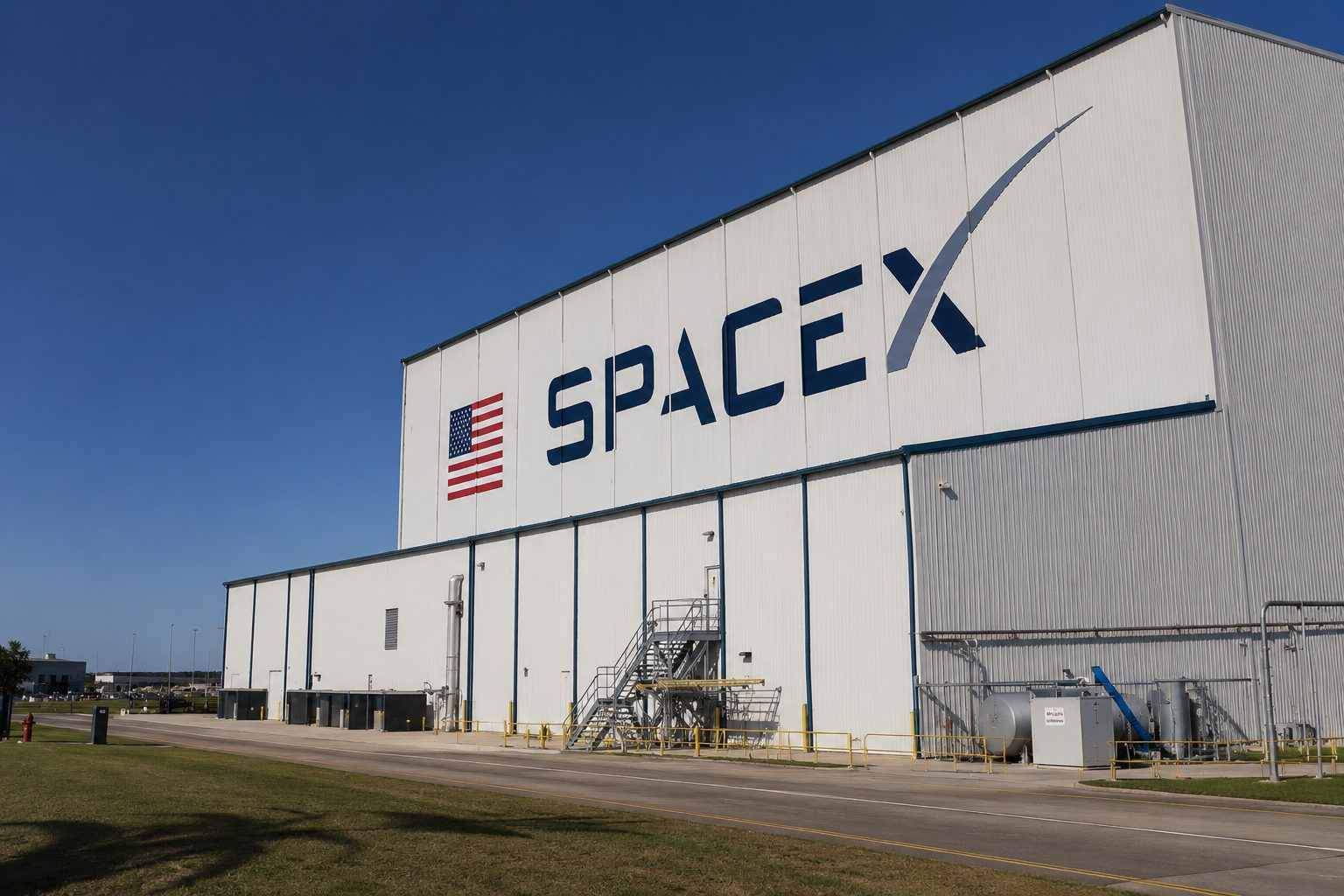
SpaceX NASDAQ:SPCX launched 20 Starlink V3 satellites on Friday, successfully recovering Starship in one piece. However, Super Heavy’s descent into the Gulf was too rapid, and total reusability has yet to be demonstrated. Shares closed after-hours at $113.38, falling 1.5%.
The significance of that divided outcome outweighs the excitement of the launch event. Starship’s capacity is 60 V3 satellites each flight. On Friday, the rocket carried a third of that amount and followed a suborbital route.
The financial rationale is straightforward. Space and Connectivity reported $2.38 billion in capital expenditures during the first quarter, double Connectivity’s $1.19 billion in operating income. While not a direct cash-flow comparison, the figures highlight the magnitude of the build.
| Metric | Flight 13 or first-quarter evidence | Investor read-through |
|---|---|---|
| V3 payload | 20 payloads deployed; built for 60 payloads | Tested with one out of three loads |
| Starship return | Engine reignited in orbit; landed in ocean intact | Risks for reentry and relight reduced |
| Booster return | Landing burn not completed; severe impact in Gulf | Complete reusability yet to be shown |
| Capital load | $2.38 billion capital expense, $1.19 billion in operating profits | Spending twice the operating income |
| Market read | Closed at $115.07; $113.38 in post-market | No immediate change in valuation |
The flight data is based on independent mission reports. For financials, SpaceX disclosures were used, and share prices are current as of Friday’s close.
The satellites deployed their arrays and connected momentarily to SpaceX’s constellation. As intended, they subsequently reentered the atmosphere and disintegrated. Prior to reentry, SpaceX retrieved data from each satellite.
The upper stage also reignited a Raptor engine while in orbit. Initial images indicated minimal noticeable damage to the heat shield. Starship subsequently rotated to a vertical position and achieved its gentlest ocean splashdown so far.
Elon Musk, the Chief Executive, stated Starship was “intact, floating in the ocean and transmitting telemetry.” This outcome is expected to provide engineers with additional information on reentry and heat-shield performance. Space
The booster failed to achieve the same outcome. “We were targeting a softer splashdown,” SpaceX spokesperson Dan Huot said. It “came in with quite a bit of velocity still.” Reuters
Following Flight 12, SpaceX updated its engine relight equipment and added heat-shield tiles with load sensors to support higher-pressure tests. Data was gathered from the ship on Friday, but the booster issue remained.
The impact of Starship development is apparent in the income statement. Research and development expenses for the space segment increased by 77% compared to the previous year, reaching $930 million. The operating loss expanded to $662 million, up from $70 million.
The stock dipped prior to launch. SpaceX ended Friday at $115.07, falling 2.7% on the day. Shares dropped 7.2% for the week and finished 14.8% under the $135 IPO mark. Flight 13 marked Starship’s initial test since the June debut.
Selling also hit other publicly traded space companies. Shares of Rocket Lab USA NASDAQ:RKLB declined 8.7% on Friday, while AST SpaceMobile NASDAQ:ASTS was down 5.0%.
U.S. cash markets did not open on Saturday. The initial complete regular-session reaction to Flight 13 arrives on Monday. Market participants are set to adjust positions ahead of SpaceX’s results due on August 4 at 4:30 p.m. ET.
Booster relight reliability, heat-shield performance and regulatory approvals continue to pose significant risks. Any additional delays could impede the rollout of V3 and maintain high capital expenditures.
Flight 13 addressed two uncertainties: the deployment of V3 and the endurance of the upper stage. Full reusability was not demonstrated. The next evaluation for Starship will focus on achieving reliable recovery.
Related articles: NASDAQ:SPCX