
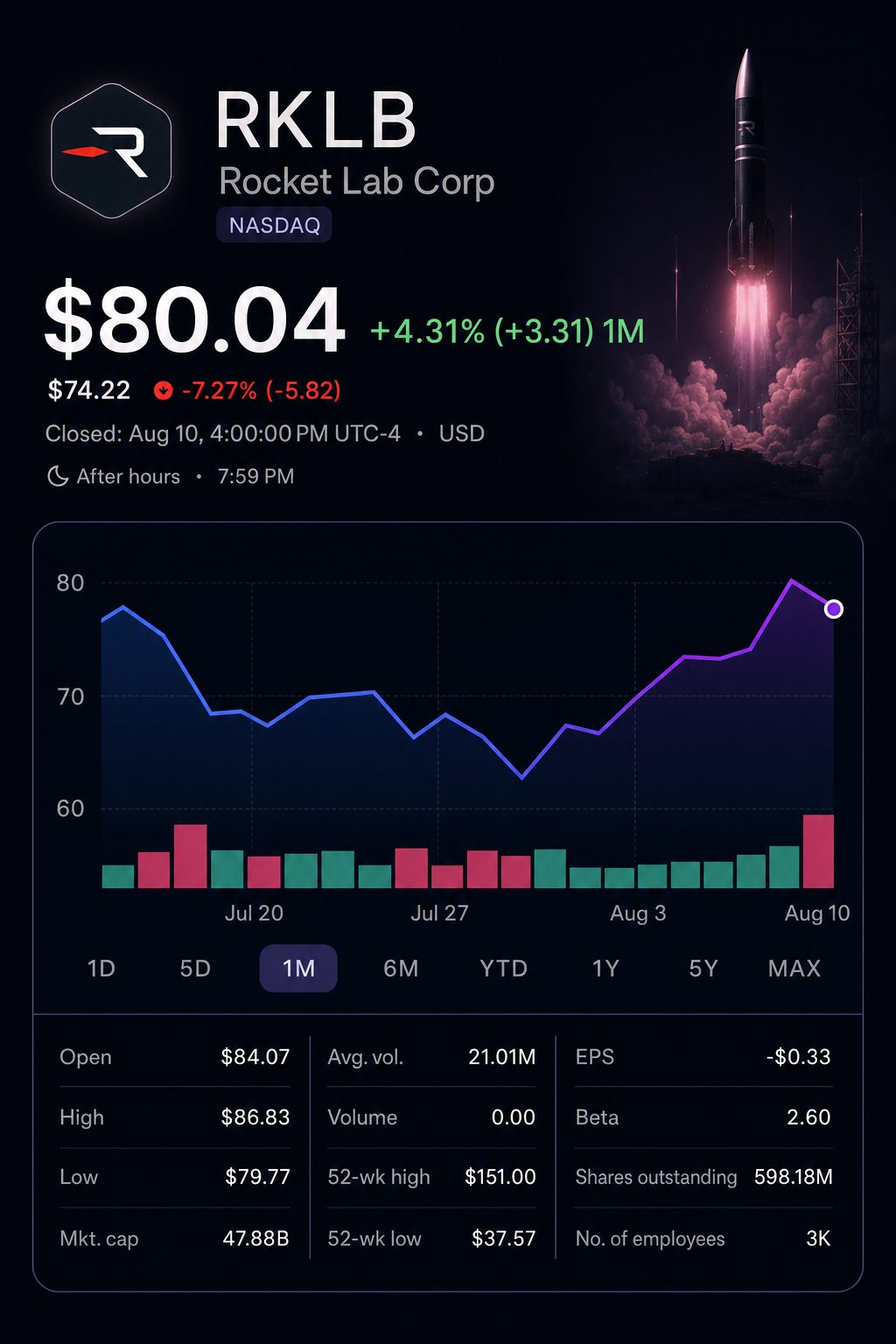
LONG BEACH, August 11, 2026, 02:15 EDT — Rocket Lab (RKLB.O) shares slid 7% as investors weighed the company’s updated timeline for its Neutron rocket and a cautious margin outlook, overshadowing a record-setting revenue quarter.
- Rocket Lab stock dropped 7% in after-hours trading following the release of its results.
- Revenue for the quarter increased by 62%, reaching an all-time high of $234.1 million.
- Q3 revenue guidance surpassed consensus expectations, while its margin forecast fell short.
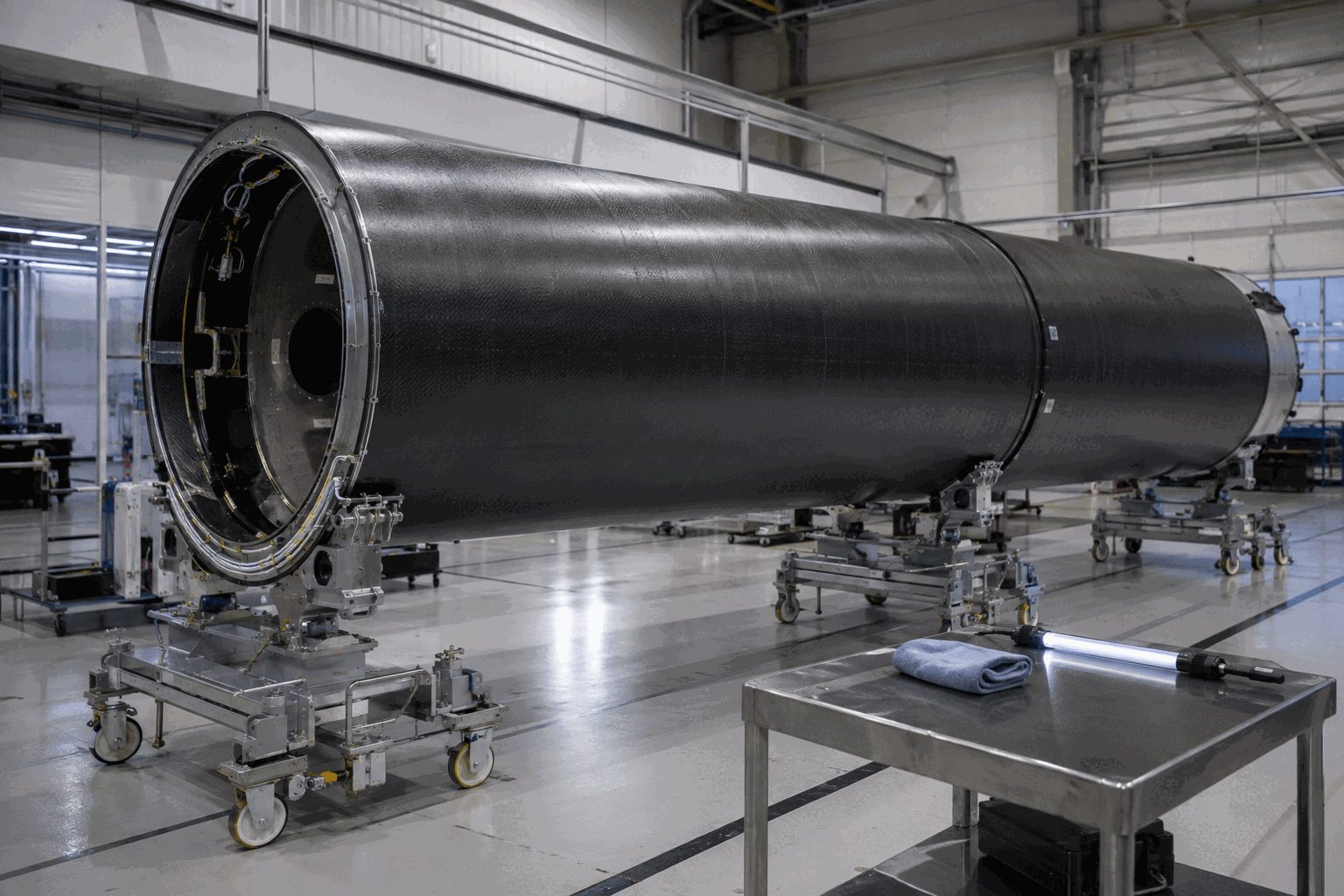
- The company is now aiming to have Neutron reach the launch pad in the fourth quarter.
Rocket Lab NASDAQ:RKLB dropped 7% in after-hours trading on Monday. Despite hitting record revenue, the company warned of softer margins and raised new uncertainty over whether Neutron’s initial launch would proceed.
The figures highlight the divide within Rocket Lab’s narrative. Demand and order backlog are increasing rapidly. However, predicting the arrival of the next growth driver is becoming more difficult.
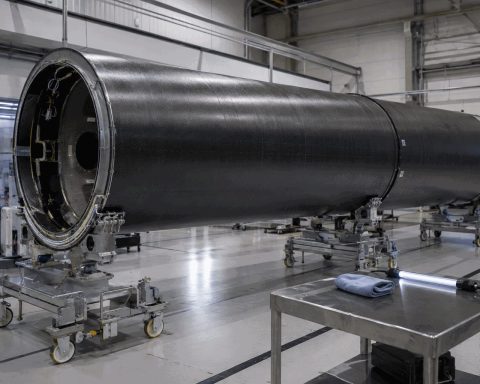
Neutron plays a key role in the valuation. The medium-lift rocket would enable Rocket Lab to compete for larger commercial and national-security launches. It is also integral to the firm’s satellite ambitions.
| Q2 measure | 2026 | 2025 | Change |
|---|---|---|---|
| Revenue | $234.1m | $144.5m | +62.0% |
| Gross profit | $84.6m | $46.4m | +82.3% |
| GAAP gross margin | 36.1% | 32.1% | +4.0 pts |
| Net loss | $49.3m | $66.4m | Loss shrank by 25.8% |
| Adjusted EBITDA loss | $8.8m | $27.6m | Adjusted EBITDA loss reduced by 68.0% |
Growth in revenue led to genuine operating leverage, with gross profit increasing at a higher rate than sales. The company’s SEC-filed statement showed a reduced net loss and a slimmer adjusted EBITDA loss.
Rocket Lab’s Founder and Chief Executive Peter Beck said: “Q2 was another fantastic quarter for Rocket Lab, highlighted by record results and massive momentum that has continued well after the close.” The company’s backlog climbed to $2.36 billion, increasing 137% year-on-year. Rocket Lab SEC filing
Attention in the market shifted. Beck stated, “The window for an end-of-year launch is narrowing.” Rocket Lab is now targeting the fourth quarter to roll out Neutron to the pad. The company did not announce a revised flight schedule. Reuters
| Investor estimate test | Company result or midpoint | Analyst consensus | Gap |
|---|---|---|---|
| Q2 revenue | $234.1m | $231.6m | +1.1% |
| Q2 loss per share | $0.08 | $0.03 | $0.05 higher |
| Q3 revenue | $257.5m | $238.5m | +8.0% |
| Q3 GAAP gross margin | 30.0% | 37.6% | -7.6 pts |
| Q3 adjusted EBITDA loss | $20.0m | $10.0m | $10.0m above |
The share movement is reflected by the comparison. While the revenue outlook is robust, the advantage is offset by lower-margin satellite platforms. Consensus data are sourced from LSEG, FactSet and post-release analyst projections.
The company projects third-quarter revenue in the range of $250 million to $265 million. It anticipates a GAAP gross margin between 29% and 31%. Adjusted EBITDA loss is expected to fall between $17 million and $23 million.
Mix remains the key factor. Most of Q2 revenue came from space systems. Margins were also impacted by a decline in sales of established products, Chief Financial Officer Adam Spice said.
Rocket Lab reported robust demand, noting that newly signed launch contracts during and following the quarter exceeded $437 million, including optional agreements. The company’s launch backlog now accounts for over 90 missions.
| Balance-sheet measure | June 30, 2026 | Dec. 31, 2025 | Change |
|---|---|---|---|
| Cash and equivalents | $2.129bn | $0.829bn | up 157.0% |
| Current assets | $2.896bn | $1.366bn | up 112.1% |
| Current liabilities | $0.528bn | $0.334bn | up 57.9% |
| Stockholders’ equity | $3.492bn | $1.722bn | up 102.8% |
| Common shares outstanding | 598.2m | 543.6m | up 10.0% |
Rocket Lab’s cash reserves allow it to support Neutron and pursue acquisitions, but this comes at the cost of dilution. According to filed balance sheets, the number of outstanding common shares increased by 10% over the past six months.
The funding buffer reduces immediate financing risk, but execution risk remains. The new rocket still needs to pass integrated tests prior to launch and demonstrate consistent performance.
Monday’s standard session ended at $78.37. As U.S. cash markets were closed at the time of writing, the after-hours drop is considered provisional and will be confirmed with Tuesday’s market open.
Risks: Neutron may face further delays or need additional investment. A high proportion of revenue from satellites could keep margins lower than anticipated. Significant government contracts might also be awarded inconsistently.
The next crucial evidence is physical. Investors require Neutron to be on the pad in Q4, followed by a believable flight date that maintains reliability.
Related articles: NASDAQ:RKLB