
NEW YORK, August 29, 2026, 09:48 (EDT)
- Boeing reports that customers have placed orders for over 620 777X aircraft.
- The 777-9 test fleet has accumulated more than 4,700 hours in flight testing.
- The contract for 17,000 engineers and technical employees is set to run out on October 6.
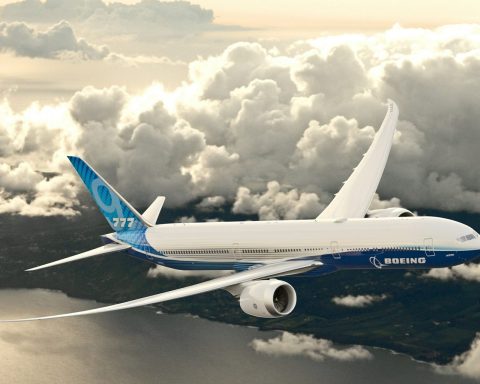
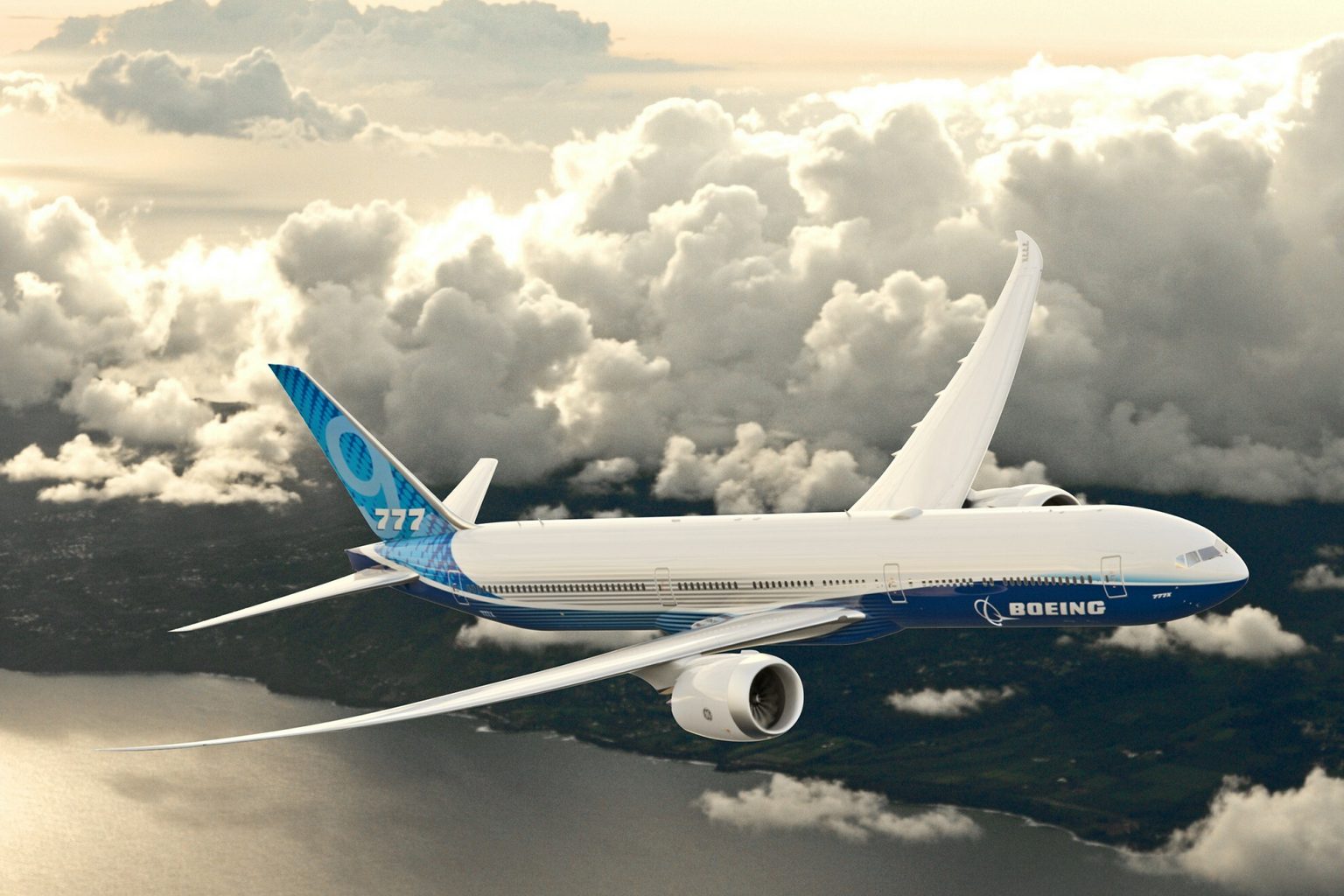
Boeing’s 777-9 is nearing another crucial phase in certification. Over 620 777X orders are pending as the company aims for a first delivery in 2027, but a potential halt in engineering could introduce new delays.
The focus for investors has shifted from airlines’ demand for the aircraft to whether Boeing can turn about 10% of its commercial backlog into actual deliveries without facing another expensive reset.
Boeing (NYSE: BA) obtained FAA clearance for the Type Inspection Authorization phase 4B in the second quarter. The company continues to target 2027 for the first delivery of the 777-9 Boeing second-quarter results.
Tangible progress is evident. Boeing reported that the test fleet now exceeds 4,700 flight hours. Lufthansa’s initial 777-9 completed a flight in May outfitted with a customer cabin Boeing program update.
| Investor measure | 777X / 777-9 | Boeing commercial benchmark |
|---|---|---|
| Demand | Over 620 777X units ordered | Backlog exceeds 6,200 aircraft |
| Certification | More than 4,700 hours of testing; TIA 4B in progress | First 777-9 handover expected in 2027 |
| Q2 2026 economics | Program-specific results not broken out | $11.75 billion in sales; $322 million in operating red ink |
| Commercial margin | Future model mix and cashflows depend on execution | -2.7%, improved from -5.1% the prior year |
The more than 620 orders represent roughly 10% of Boeing’s commercial aircraft backlog by unit numbers. While this does not reflect the backlog’s value for the program, it highlights the broader significance of certification timing beyond just a single aircraft model.
The 777-9 accommodates 426 passengers and has a range of 7,295 nautical miles. Boeing promotes it as the largest twin-engine jet globally Boeing product specifications.
Boeing’s commercial unit continues to report losses, despite an 8% rise in second-quarter revenue to $11.75 billion. The operating loss decreased to $322 million from $557 million.
Boeing generated $631 million in free cash flow during the quarter, compared with a $200 million outflow in the same period last year, as group-level cash generation improved. The company’s debt fell to $45.9 billion from $47.2 billion in March.
The next key date is October 6, when the contract for 17,000 SPEEA engineers and technical staff is set to end. Reuters has stated a strike could add new delays to certification for both the 777-9 and 737 MAX 10 Reuters.
Boeing stated it is seeking an agreement and getting qualified contingency resources ready. The union reported that each party seems to be making preparations for a potential work stoppage.
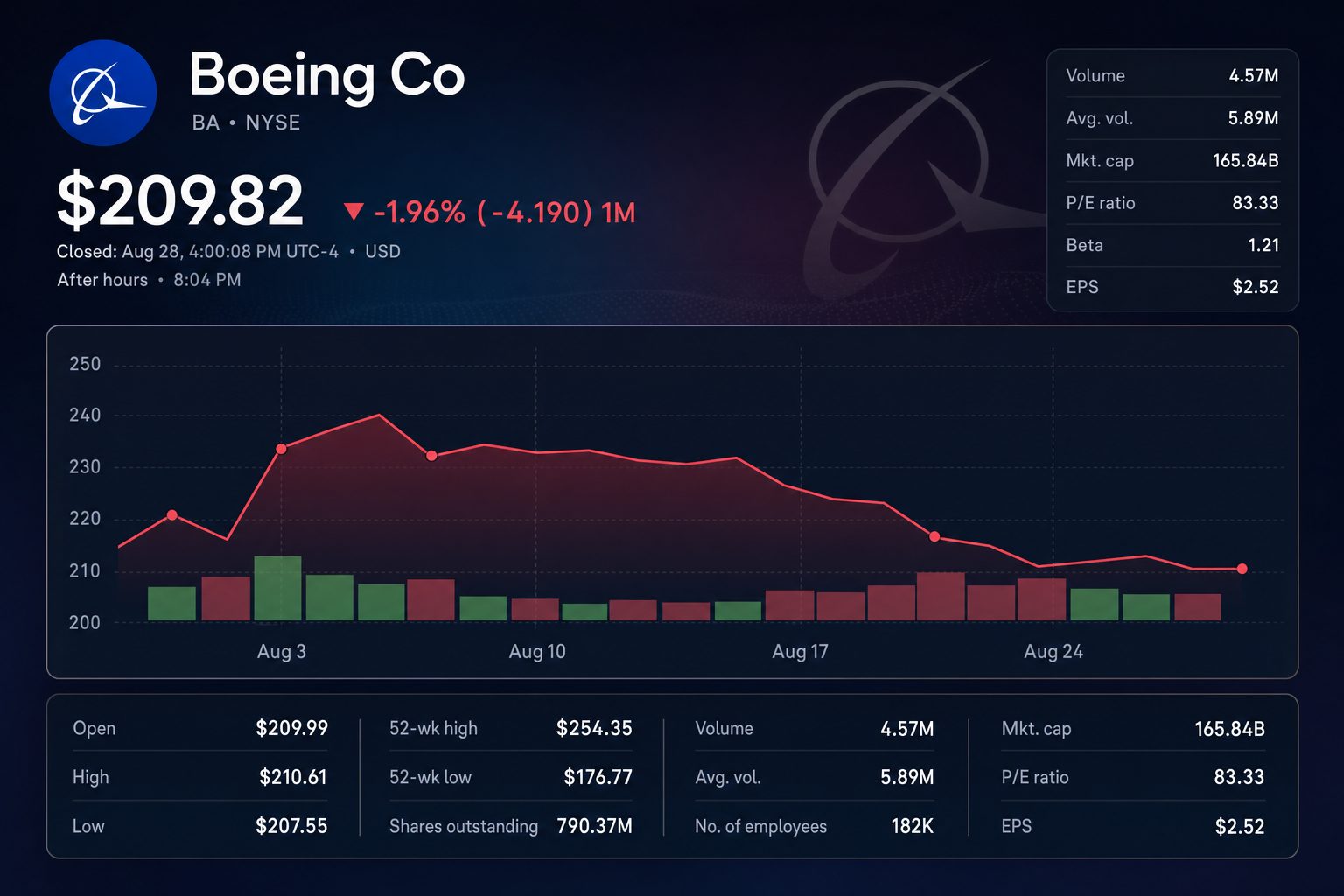
Shares ended Friday at $209.82, slipping 0.03%. Trading volume reached 4.57 million shares, accounting for 79% of the 65-day average. Over the past month, the stock has dropped 10.14% MarketWatch, August 28 close.
Risks: Delivery schedules could shift due to FAA findings, rework needed in testing, supplier limitations, or potential work stoppages. A quicker certification process would lift the outlook for mix, though program profitability has not been revealed.
Related articles: NYSE:BA