
Marcin Frąckiewicz

Marcin Frąckiewicz

Marcin Frąckiewicz is the founder and CEO of TS2 Space, a satellite communications company serving customers around the world. A graduate of the Warsaw School of Economics (SGH), he has more than two decades of experience in telecommunications, satellite services and technology ventures. He writes about satellite communications, space technology, artificial intelligence and the stock market, with a particular focus on technology companies, semiconductors, emerging industries and the trends shaping global innovation. Follow Marcin Frąckiewicz on Google News, Facebook. or Linkedin.

Internet Access in India: A Comprehensive Guide for Residents and Tourists

Internet Access in India: A Comprehensive Guide for Residents and Tourists

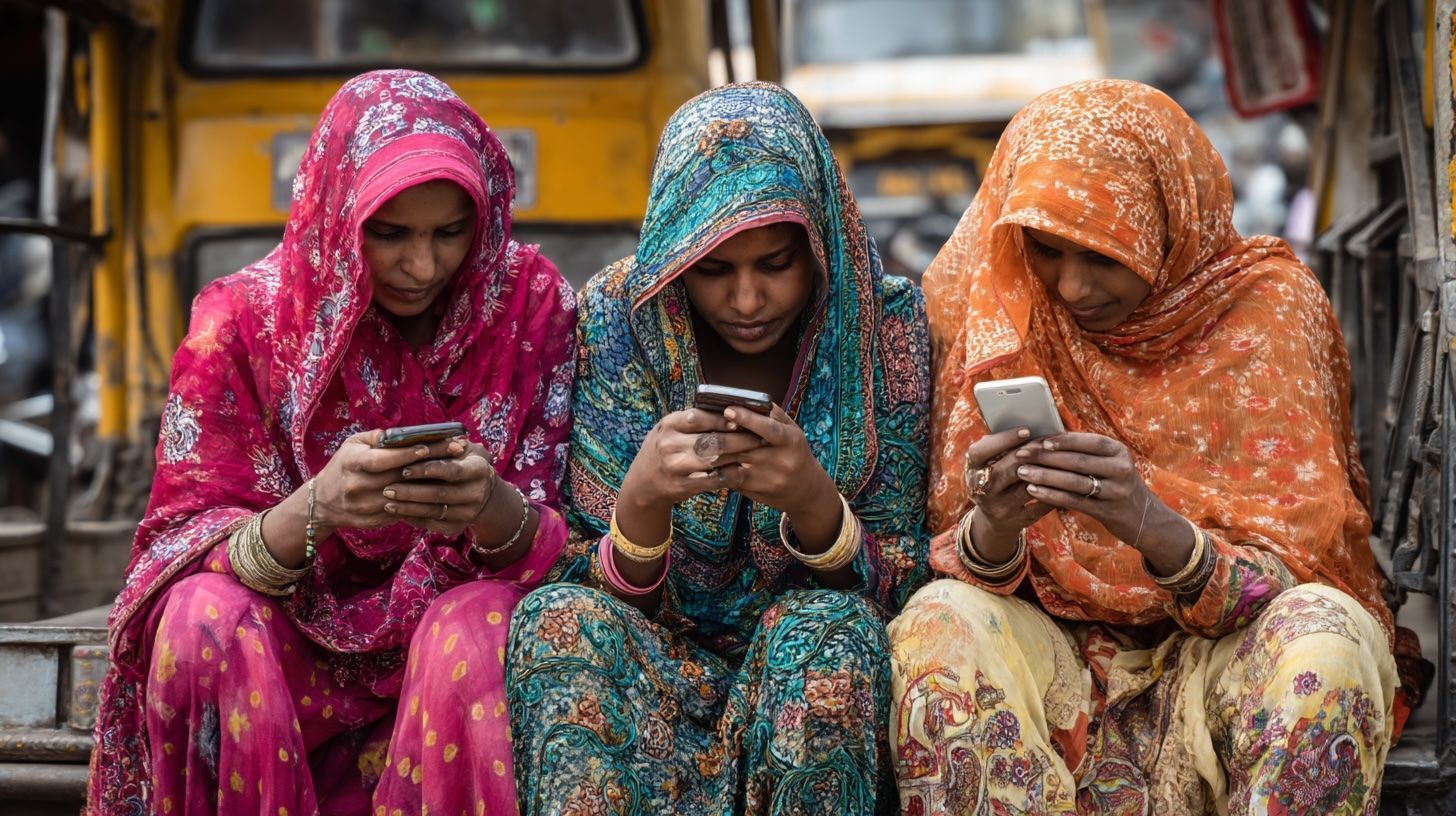
India has made rapid strides in expanding its internet user base and network infrastructure. As of early 2024, India had roughly 750–950 million internet users, representing about 50–68% of the population m.economictimes.com fortuneindia.com. This marks an annual growth of around 8%, with tens of millions of new users coming online each year. Notably, rural areas now account for about half of India’s internet users, reflecting recent growth beyond the cities m.economictimes.com. However, internet penetration still lags in the countryside – roughly half of the rural population remains offline or not actively using the internet, compared to higher usage in urban areas m.economictimes.com m.economictimes.com.
Connected Malaysia 2025: A Complete Guide to Fiber, Mobile, Satellite & Public Internet Access

Connected Malaysia 2025: A Complete Guide to Fiber, Mobile, Satellite & Public Internet Access

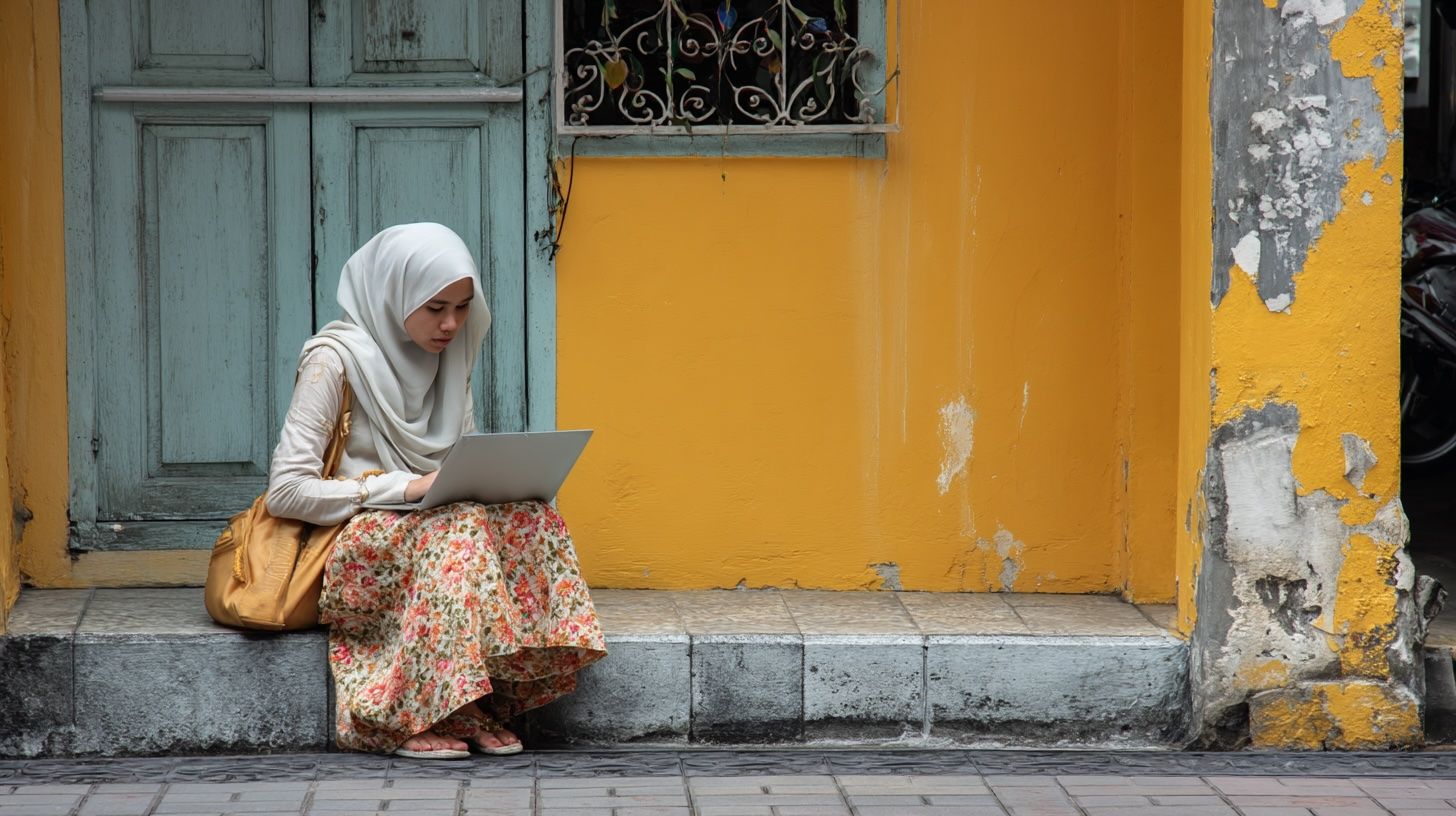
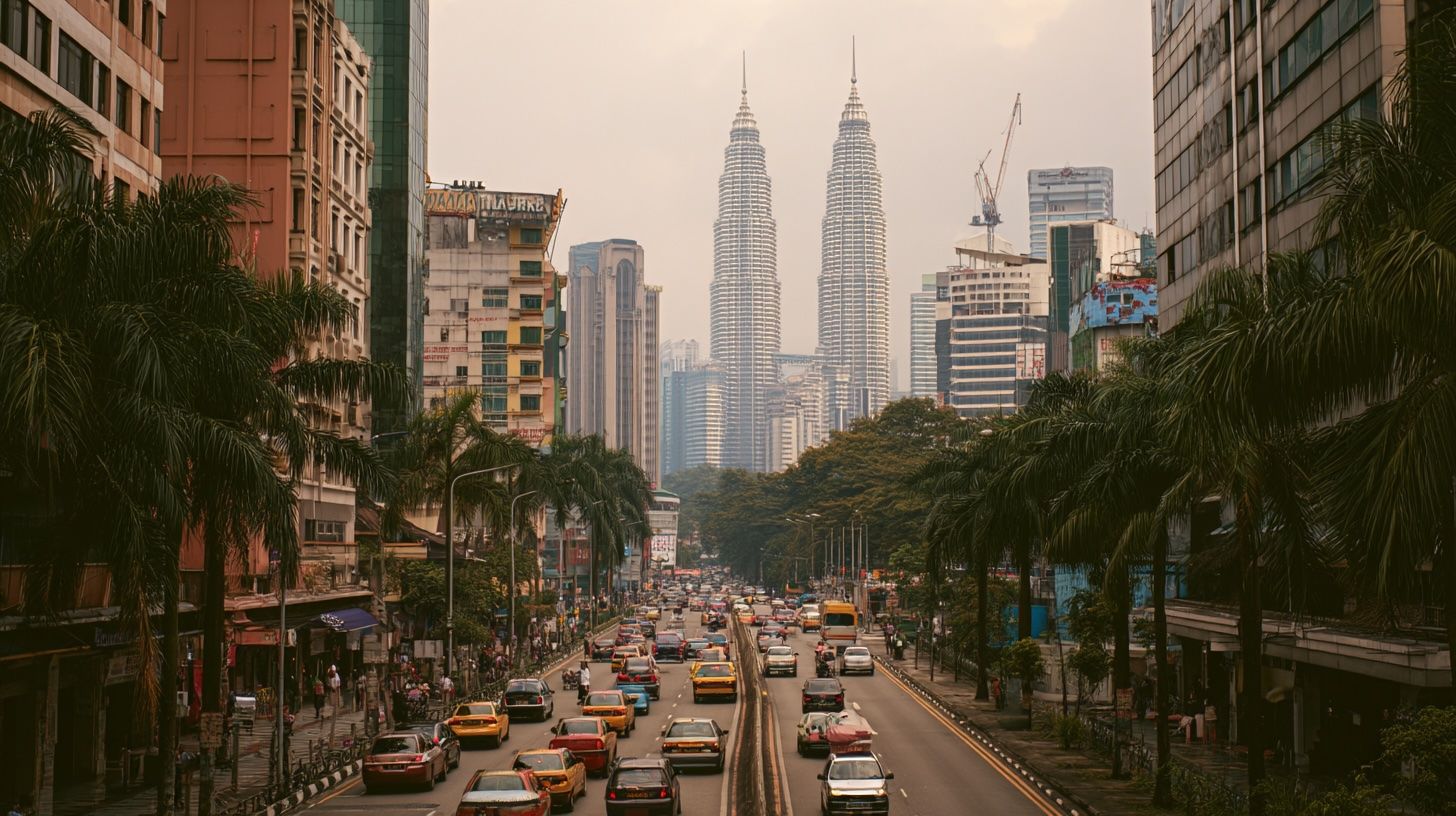
Malaysia enjoys high internet penetration and modern digital infrastructure. As of 2022, about 97% of individuals in Malaysia were internet users freedomhouse.org, with nearly 96.9% of populated areas covered by 4G mobile service freedomhouse.org. Internet access has become nearly ubiquitous in cities and towns, driven by widespread mobile broadband adoption and expanding fiber-optic networks. The government’s Jalinan Digital Negarainitiative has been a key driver of improvements – Phase 1 exceeded targets by extending 4G to ~97% population coverage and fiber-optic broadband to 7.74 million premises soyacincau.com. Under JENDELA Phase 2, Malaysia is investing further in digital infrastructure to reach the remaining underserved areas, aiming for 100% internet coverage in populated areas by end of 2025 soyacincau.com malaymail.com. Overall, Malaysia’s connectivity ecosystem is robust and continually improving, making it one of Southeast Asia’s more digitally connected nations.
Internet Access in Singapore: A Comprehensive Overview

Internet Access in Singapore: A Comprehensive Overview

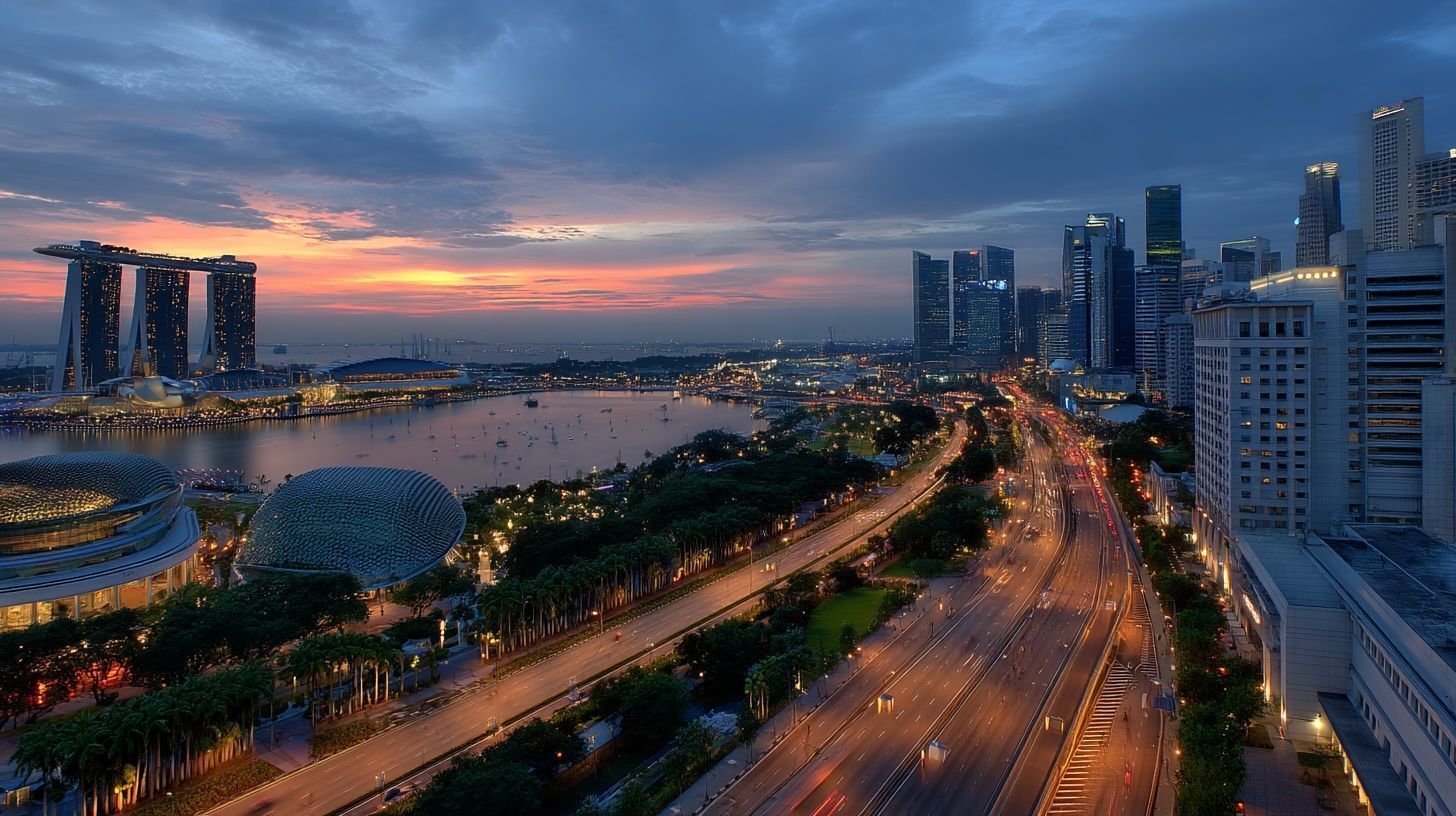
Singapore boasts world-class digital connectivity built on extensive fiber broadband and advanced mobile networks. A nationwide fiber-optic network delivers high-speed internet to virtually all homes and businesses opensignal.com. Mobile coverage is similarly robust – 4G LTE is ubiquitous, and 5G networks cover over 95% of the city-state trade.gov. This exceptional infrastructure has made Singapore a global leader in internet speeds, with average fixed broadband download speeds around 300–345 Mbps – the fastest in the world as of early 2025 statista.com. Under its Smart Nation vision, Singapore continues to invest in future-ready infrastructure to maintain its digital edge trade.gov.
Internet Access in Bangkok, Thailand: A Comprehensive Guide

Internet Access in Bangkok, Thailand: A Comprehensive Guide

Bangkok boasts one of the most advanced internet infrastructures in Southeast Asia. Thailand’s internet penetration is high and the country ranks among the top in the world for broadband speed en.wikipedia.org. In fact, by early 2025 Thailand held 13th place globally for fixed broadband download speeds nationthailand.com – a level of performance largely driven by the robust networks in Bangkok. The city’s core is well-connected by extensive fiber-optic backbone links, multiple international internet gateways, and data centers, ensuring fast and reliable connectivity. In practical terms, internet access in Bangkok is ubiquitous – you typically won’t have to worry about finding a connection, as it’s “fast, stable, and everywhere” freakingnomads.com.
Internet Access in Phuket: A Tourist-Focused Overview

Internet Access in Phuket: A Tourist-Focused Overview

Phuket is well-equipped with modern internet infrastructure, reflecting its status as a major tourism and business hub. High-speed fiber-optic broadband lines have been extended across urban areas of the island, and gigabit-speed fiber-to-the-home service is widely available in Phuket Town and other populated areas ts2.tech en.wikipedia.org. These fiber networks form the backbone of fixed internet access, ensuring that hotels, cafes, and businesses in tourist zones can provide fast connectivity. Phuket was among the first regions in Thailand to benefit from fiber upgrades; as a result, home and business internet plans up to 1 Gbps are on offer hawook.com hawook.com. In parallel, legacy ADSL and cable systems have largely been replaced or supplemented by fiber in the city. Only in some rural or less-developed pockets might older DSL or wireless links still be in use ts2.tech.
Being Nice to ChatGPT Could Change Its Answers — But New Research Shows a Catch

Being Nice to ChatGPT Could Change Its Answers — But New Research Shows a Catch

An August 21, 2023, TS2.Space article, “The Power of Kindness: Being Nice to ChatGPT Yields Better Results,” pushed the notion that polite prompts—think “please” and a little context—might coax stronger answers from ChatGPT. The idea still circulates in 2026, though research has gotten both more tangled and more interesting since then. Worth noting: TS2.Space lists the bylined author, Igor Nowacki, as a fictional persona, so the article reads more like a conversation starter than definitive proof.
Maldives’ Internet Revolution: From Remote Atolls to a 5G-Powered Paradise

Maldives’ Internet Revolution: From Remote Atolls to a 5G-Powered Paradise

The Maldives is a geographically dispersed nation of around 1,200 islands spread across the Indian Ocean. Providing telecom and internet access to this archipelago has been a significant challenge historically. The country’s telecom journey began with a state monopoly: Dhiraagu was established in 1988 as the Maldives’ first and sole telecom operator​ Mfr. By the year 2000, basic telephone service reached all inhabited islands, and dial-up internet was available nationwide​ Itu. In the early 2000s, the government liberalized the sector to introduce competition and improve services. A second ISP license was issued in 2003 to Focus Infocom, breaking Dhiraagu’s internet monopoly​ Itu. In 2005, a second mobile operator entered the scene – Wataniya – ending Dhiraagu’s 17-year monopoly on mobile services​ Wikipedia. These steps set the stage for rapid expansion of telecom infrastructure across the islands.
Thailand’s High-Speed Internet Revolution: 5G, Fiber, and the Battle to Bridge the Digital Divide

Thailand’s High-Speed Internet Revolution: 5G, Fiber, and the Battle to Bridge the Digital Divide

Thailand was an early adopter of the internet in Asia, making its first international connection in the late 1980s and moving to full TCP/IP by 1992​ en.wikipedia.org. In the early 2000s, internet access shifted from dial-up to broadband, with a major boost in 2004 when unmetered flat-rate broadband plans were introduced. This change spurred a rapid rise in broadband users from 2005 onward​ en.wikipedia.org. Over the past decade, Thailand has heavily invested in telecommunications infrastructure, especially fiber-optic networks. A government-led Village Broadband Internet project extended high-speed internet to over 75,000 villages​ pulse.internetsociety.org, bringing connectivity to remote areas that previously lacked service. As a result of these “fixed-focused” strategies, Thailand’s fixed broadband world ranking jumped from 34th in 2018 to 11th fastest globally by January 2024​ pulse.internetsociety.org. By 2022, the number of households with fixed broadband had grown to about 21.3 million, nearly doubling from 2016​ pulse.internetsociety.org. This robust infrastructure build-out has laid the foundation for Thailand’s high-speed internet revolution.
Wi-Fi on Everest, Firewalls in Lhasa: Inside Tibet’s Internet Revolution

Wi-Fi on Everest, Firewalls in Lhasa: Inside Tibet’s Internet Revolution

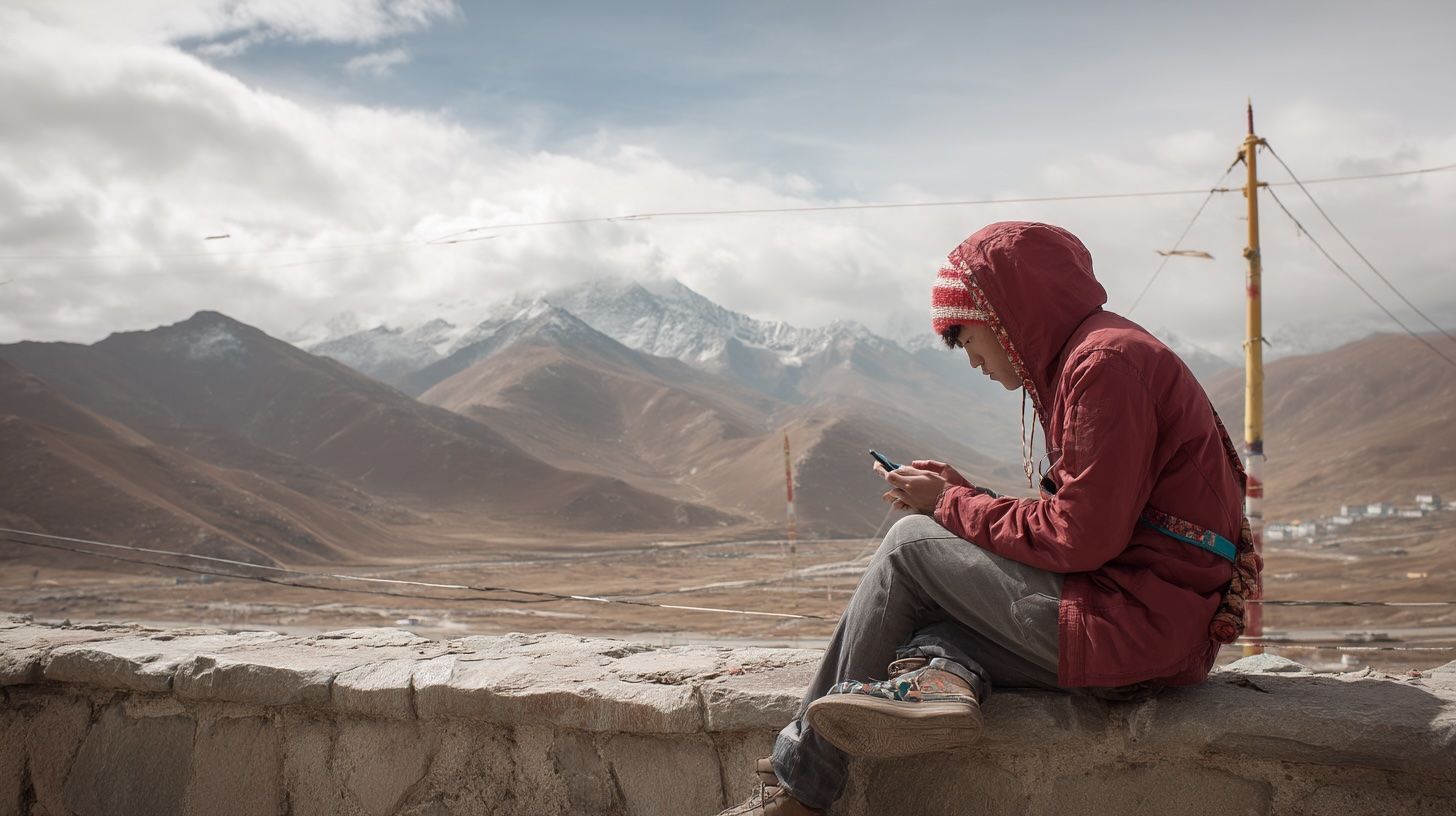
Workers install a China Mobile 5G base station at 6,500 meters elevation on Mount Everest in 2020 – the world’s highest 5G site.​ chinadaily.com.cn High-speed internet has reached even the roof of the world. In China’s Tibet Autonomous Region, modern telecommunications now span from Lhasa’s city streets to the remote slopes of the Himalayas. Once isolated by geography, Tibet is increasingly connected via fiber-optic cables and cellular towers that link almost every village​ chinadaily.com.cn​ blogs.library.duke.edu. This dramatic expansion of connectivity comes with a catch: all access is controlled by state-run providers and tightly monitored behind China’s infamous “Great Firewall”​ tibet.net. The result is a high-altitude internet boom – under intensive government surveillance. Below, we dive into Tibet’s telecom infrastructure, mobile and broadband access, digital divides, and the heavy hand of censorship shaping how Tibetans experience the internet in 2025.
12 April 2025
High-Speed Himalayas: Inside Nepal’s Race to Connect Every Peak and Village

High-Speed Himalayas: Inside Nepal’s Race to Connect Every Peak and Village

Nepal’s unique geography – from the towering Himalayas to remote hill villages – makes internet access both challenging and crucial. In recent years, Nepal has made significant strides to expand digital connectivity across the country. This report examines Nepal’s internet landscape in detail: the major service providers and their market share, the state of mobile and broadband networks, typical speeds and costs, infrastructure hurdles, satellite internet plans, government policies, the urban-rural digital divide, and future connectivity initiatives. Despite formidable terrain and infrastructural challenges, Nepal is racing to bring high-speed internet from the capital Kathmandu all the way to Everest’s doorstep.
Bridging 17,000 Islands: Inside Indonesia’s Internet Revolution

Bridging 17,000 Islands: Inside Indonesia’s Internet Revolution

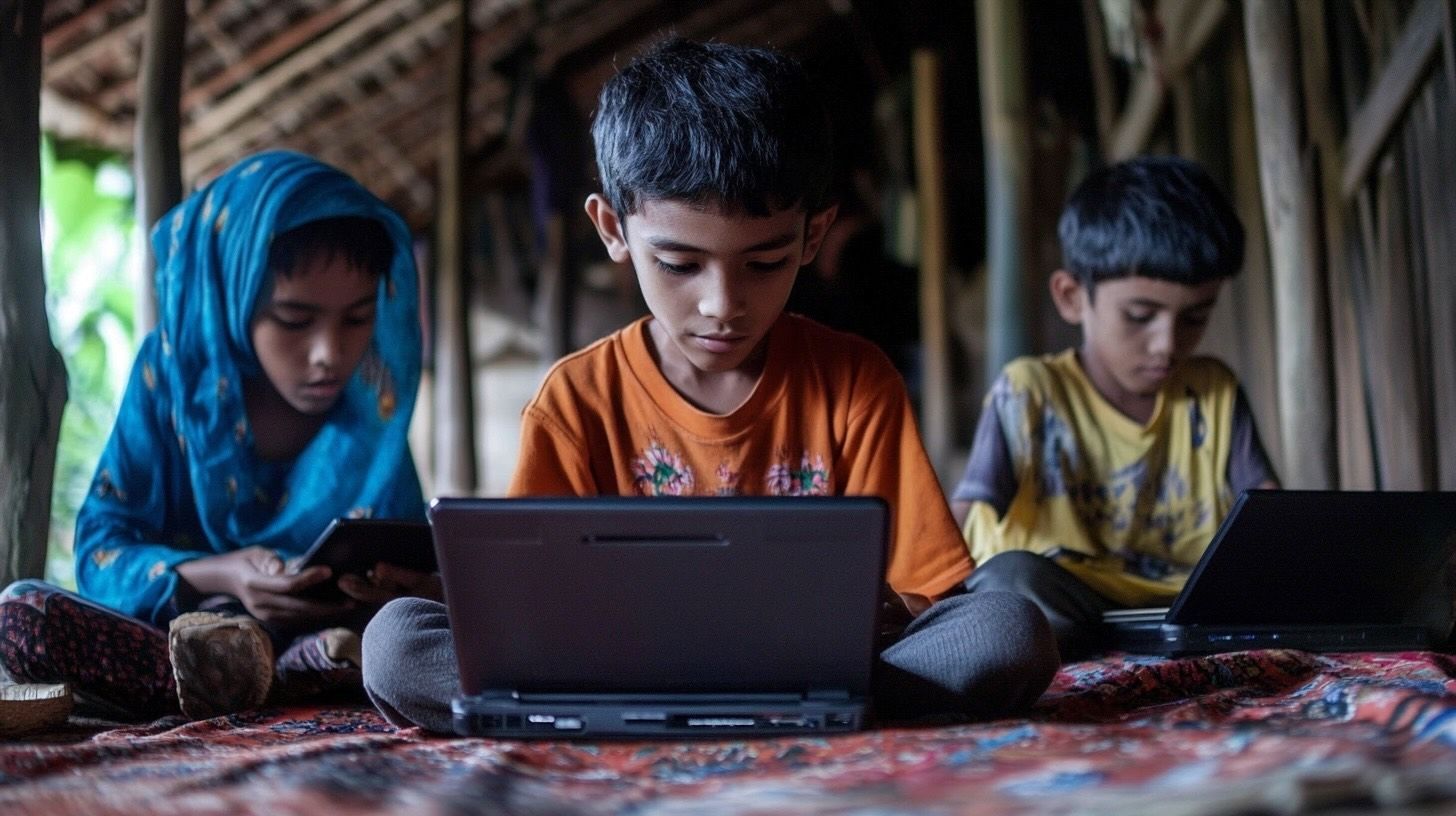
Indonesia’s internet landscape is undergoing a rapid transformation, connecting one of the world’s largest archipelagos through a mix of mobile networks, fiber optics, undersea cables, and even satellites. This comprehensive report explores how Indonesia – a nation of 270+ million people spread across 17,000 islands – is closing its digital divide. We’ll examine the major providers dominating the market, the rollout of 4G and 5G across cities and villages, the state of fixed broadband, infrastructure developments, internet speeds and costs, government policies on content, new satellite services like Starlink, the urban-rural gap in access, and the country’s plans to expand connectivity even further.
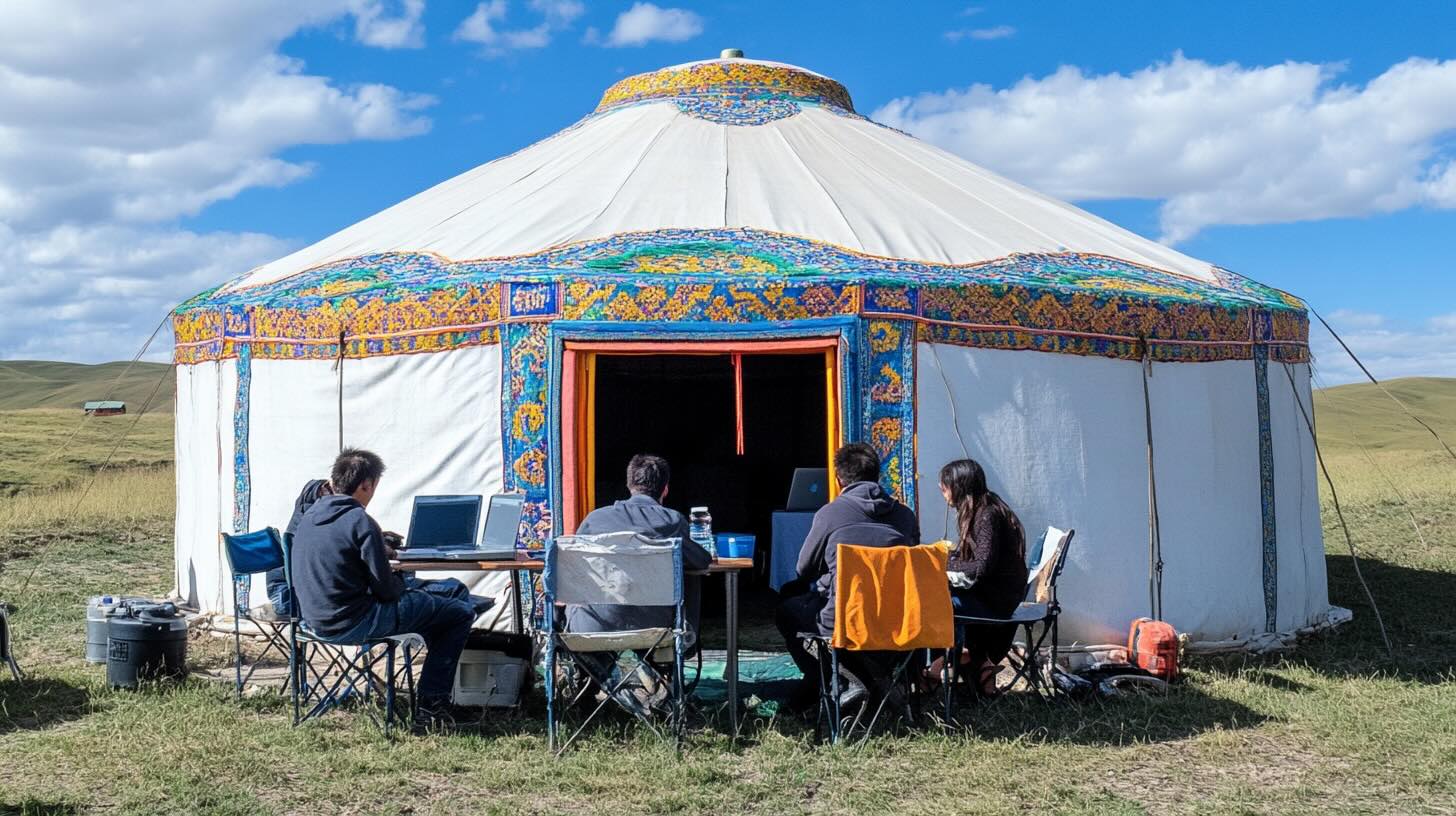
From Yurts to YouTube: Inside Mongolia’s Internet Revolution

From Yurts to YouTube: Inside Mongolia’s Internet Revolution

Mongolia’s internet market is dominated by a few key players. Univision LLC leads with about 62% of the market, making it the largest Internet Service Provider in the country. Univision offers fiber-optic broadband and IPTV services, underpinning its broad market reach. The second largest ISP is MobiCom Corporation, with roughly 15% share. MobiCom is a pioneer in Mongolian telecommunications and operates both mobile networks and internet services. Other notable ISPs include Skymedia Corporation and Mobinet LLC. Smaller providers like ONDO and others make up the rest. This relatively concentrated market means competition has historically been limited – the Internet Society rates Mongolia’s market competitiveness for internet services as “Poor”.
2 April 2025
Internet Access in Kiribati: Bridging the Digital Divide Across Remote Pacific Islands

Internet Access in Kiribati: Bridging the Digital Divide Across Remote Pacific Islands

Kiribati is a remote Pacific nation of 33 atolls spread over 3.5 million km² of ocean​ Esa. This extreme geographic dispersion makes internet access both crucial for development and challenging to achieve. Improved connectivity is vital for Kiribati’s economic and social progress – enabling better education, healthcare, e-commerce, and communication services in an otherwise isolated setting​ Gov. Over the past decade, the country has made strides in expanding internet access, but significant gaps remain due to its unique insular environment.
22 March 2025
Internet Access in Somalia: Growth, Challenges, and the Future of Connectivity

Internet Access in Somalia: Growth, Challenges, and the Future of Connectivity

Somalia’s internet landscape has evolved rapidly from near-isolation to growing connectivity. In the past, decades of civil conflict and minimal infrastructure left Somalia largely offline. Today, internet access is increasingly recognized as vital for economic recovery, social development, and security. Mobile networks and new fiber-optic links now connect millions of Somalis to the digital world, enabling mobile money, e-learning, and e-government services. However, Somalia’s internet penetration remains relatively low and uneven, highlighting both the progress made and the challenges ahead​ pulse.internetsociety.org​ pulse.internetsociety.org. This report examines the current state of internet access in Somalia – including broadband, mobile, and satellite – and explores the key challenges, initiatives, and future prospects for connectivity in the country.
20 March 2025
Internet Access in Niger: Broadband, Mobile, and Satellite Overview

Internet Access in Niger: Broadband, Mobile, and Satellite Overview

Internet access in Niger is increasingly recognized as vital for socio-economic development in one of the world’s poorest countries. Niger has a fast-growing population of over 26 million people, the majority of whom live in rural areas​ datareportal.com. However, internet usage remains very low by global standards – only around 17% of the population was online as of 2022​ pulse.internetsociety.org. This places Niger among the countries with the lowest internet penetration in Africa. The government has acknowledged the importance of digital connectivity for achieving development goals and is working on a long-term digital agenda to improve access for all citizens​ wearetech.africa​ wearetech.africa. In this context, it is crucial to examine Niger’s current internet landscape, the challenges it faces, and the initiatives underway to expand broadband, mobile, and satellite internet access.
Internet Access in Australia: A Comprehensive Overview

Internet Access in Australia: A Comprehensive Overview

Australia’s internet landscape is shaped by a mix of modern broadband infrastructure, expansive mobile networks, and innovative satellite services. This report provides a detailed overview of internet access in Australia, covering fixed-line broadband, mobile connectivity, satellite internet options, the unique challenges of rural and remote access, pricing and affordability, government policies, and future developments. Each section below delves into one of these aspects, highlighting current capabilities, shortcomings, and ongoing initiatives.
15 March 2025
Egypt’s Internet Revolution: Fiber Frenzy, 5G Dreams, and a Satellite Showdown

Egypt’s Internet Revolution: Fiber Frenzy, 5G Dreams, and a Satellite Showdown

Egypt’s internet landscape is undergoing a rapid transformation. With over 100 million people and internet penetration above 70%, the country has seen surging demand for broadband and mobile data​ en.wikipedia.org. Major investments in fiber optics and mobile networks are boosting speeds to record highs – Egypt even boasted the fastest internet in Africa in 2022​ en.wikipedia.org. At the same time, stark urban-rural divides persist, and government policies heavily influence who gets online and how. This report dives into Egypt’s internet access services – from dominant ISPs and network coverage to pricing, regulations, and the future of 5G and satellite internet.
15 March 2025
UAE’s Internet Revolution: Blazing Speeds, Fiber Dominance & the Race to Satellite Connectivity

UAE’s Internet Revolution: Blazing Speeds, Fiber Dominance & the Race to Satellite Connectivity

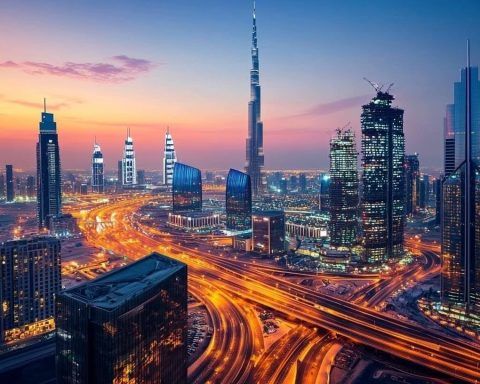
The United Arab Emirates has transformed into one of the world’s most connected countries, boasting near-universal internet usage u.ae. Aggressive investments in telecommunications infrastructure – from extensive fiber optic networks to early 5G deployment – have yielded world-leading internet speeds. At the same time, the industry remains dominated by two government-linked providers, and authorities impose strict controls on content and services. This report examines the state of internet access in the UAE, covering major service providers, infrastructure coverage, network speeds and pricing, regulatory restrictions, the rise of fiber and 5G, the nascent role of satellite internet, efforts to bridge the digital divide, and future initiatives that are shaping the country’s digital landscape.
12 March 2025
AI PORTFOLIO

Top Stock Picks

Today’s highest-ranked model selections.

#1 STRONG BUY

Taiwan Semiconductor

NYSE: TSM 96 / 100
#2 BUY

AerCap

NYSE: AER 95 / 100
#3 BUY ON PULLBACK

Constellation Energy

NASDAQ: CEG 93 / 100
#4 BUY

Walt Disney

NYSE: DIS 90 / 100
#5 ACCUMULATE

American International Group

NYSE: AIG 87 / 100
View full portfolio
Editorial model selection. Not personalised advice.