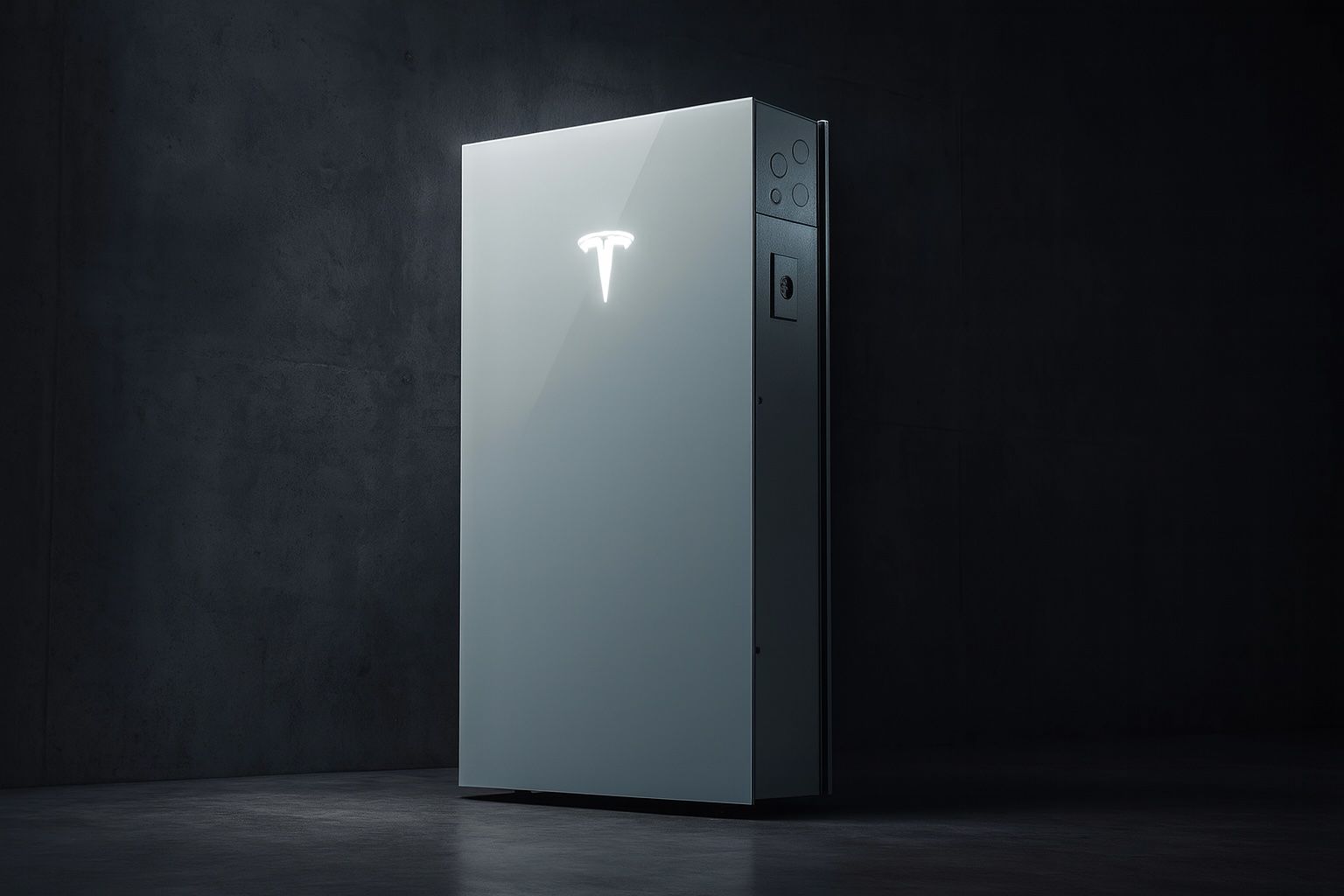
Powerhouse Showdown: Tesla Powerwall 3 vs. LG’s Stackable Home Battery vs. Sonnen Evo 10 – Which Reigns Supreme in 2025?
Home battery systems are becoming the must-have appliance for energy-savvy homeowners, promising backup power, lower bills, and smarter energy use. In this report, we pit three cutting-edge contenders against each other: Tesla’s new Powerwall 3, LG Energy Solution’s ESS Home Stackable, and Sonnen’s Evo 10. We’ll compare their specs, capacities, backup abilities, time-of-use smarts, solar integration, warranties, scalability, software platforms, and pricing. We’ll also highlight expert and user insights, the latest 2024–2025 updates, and what the future holds for each.