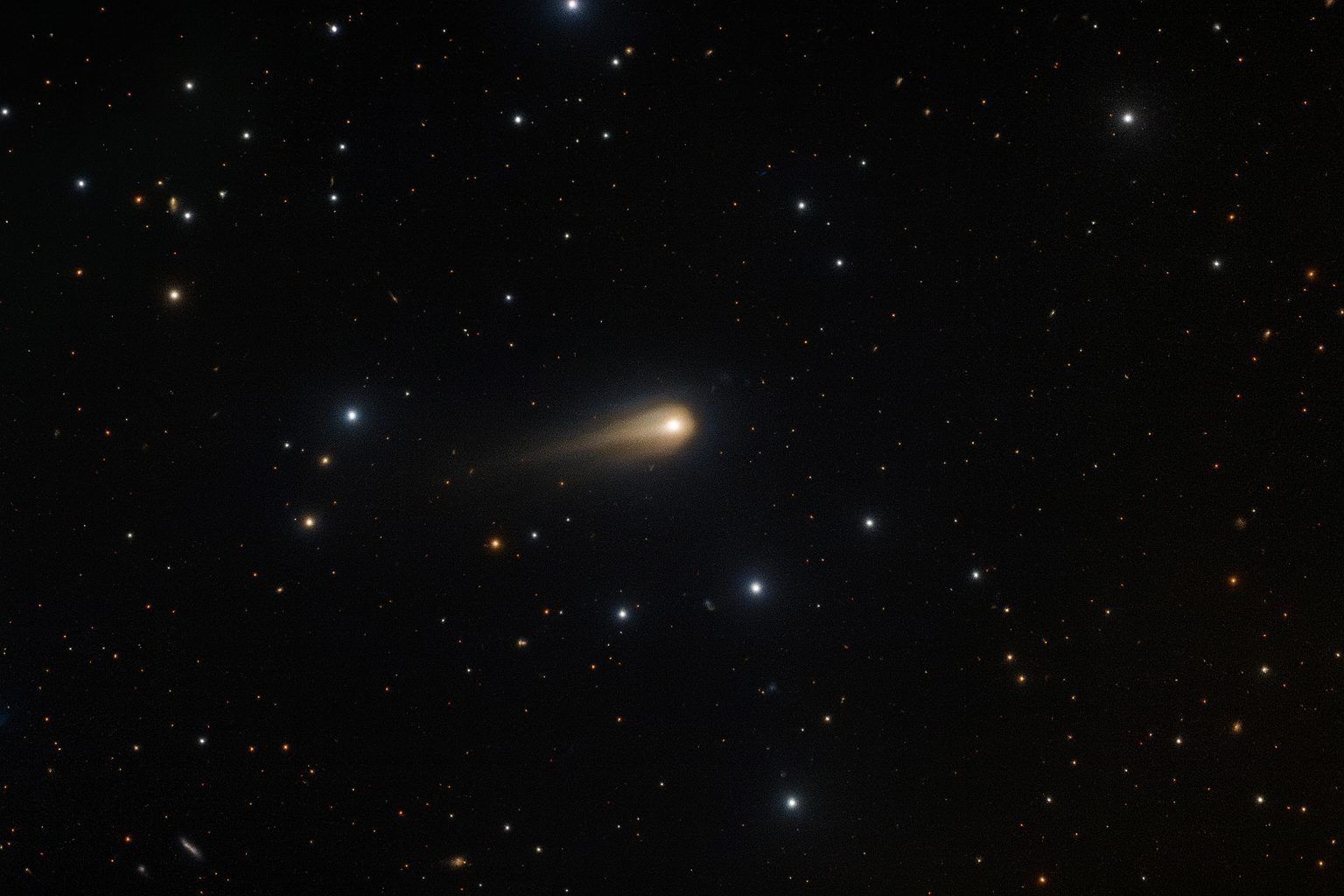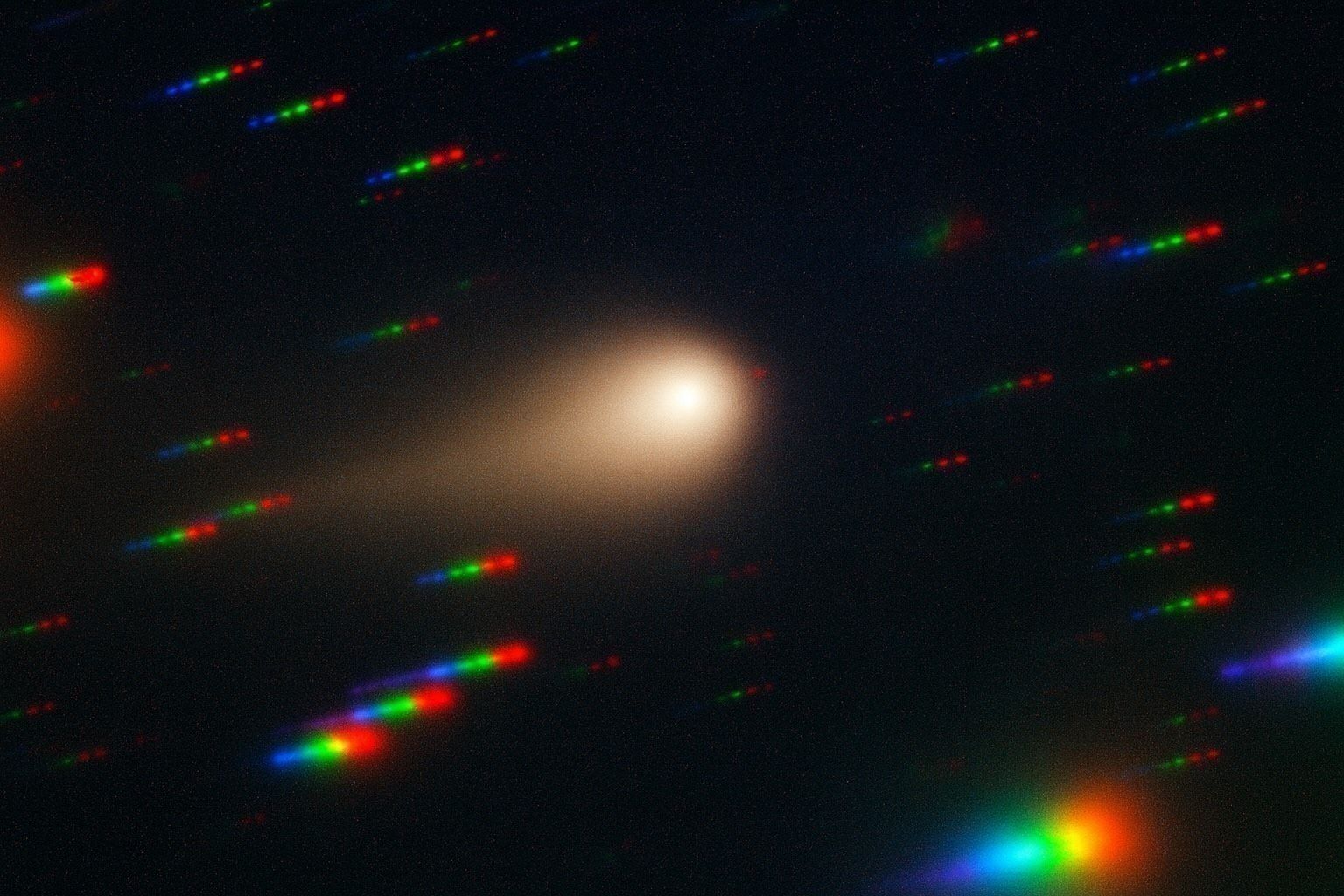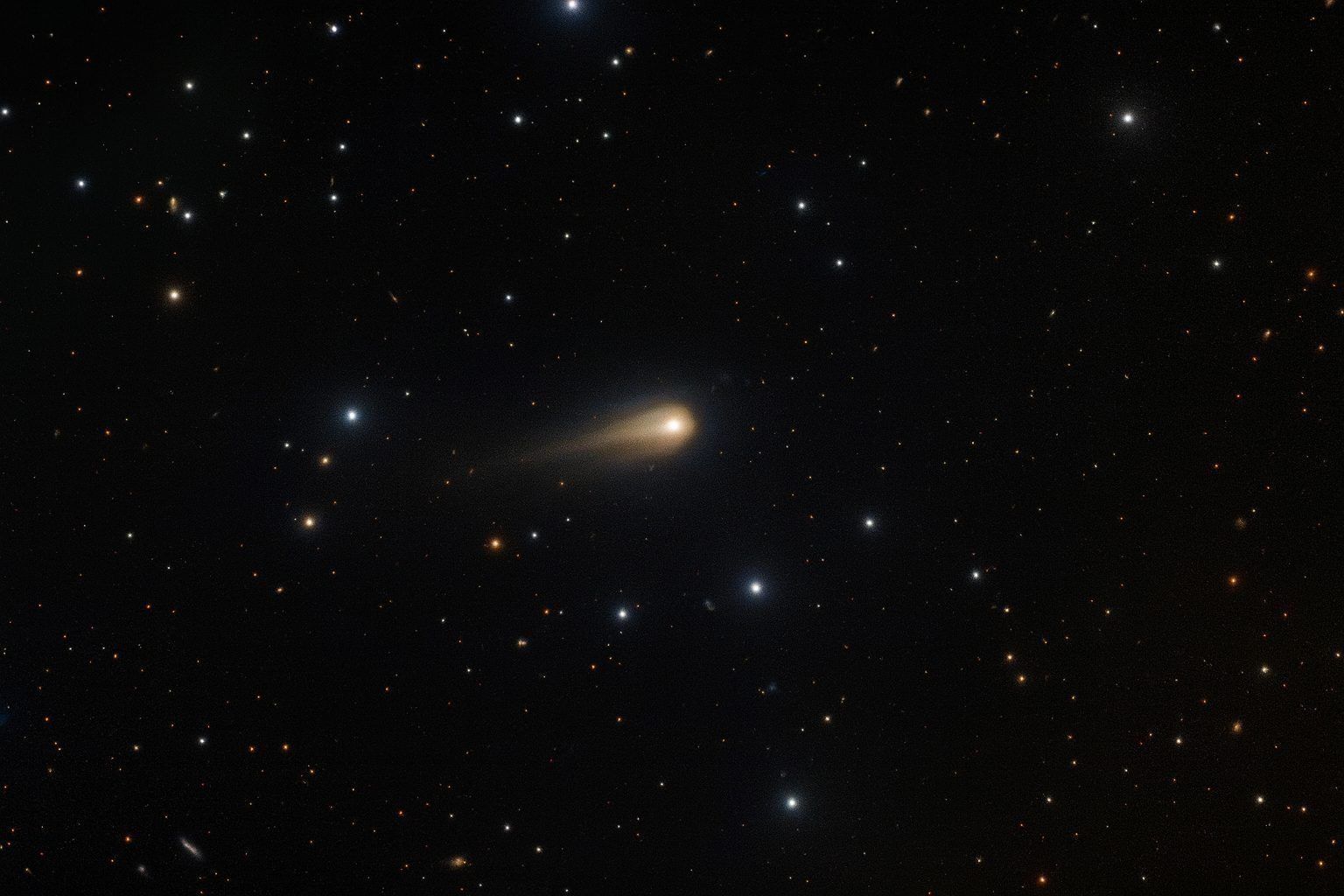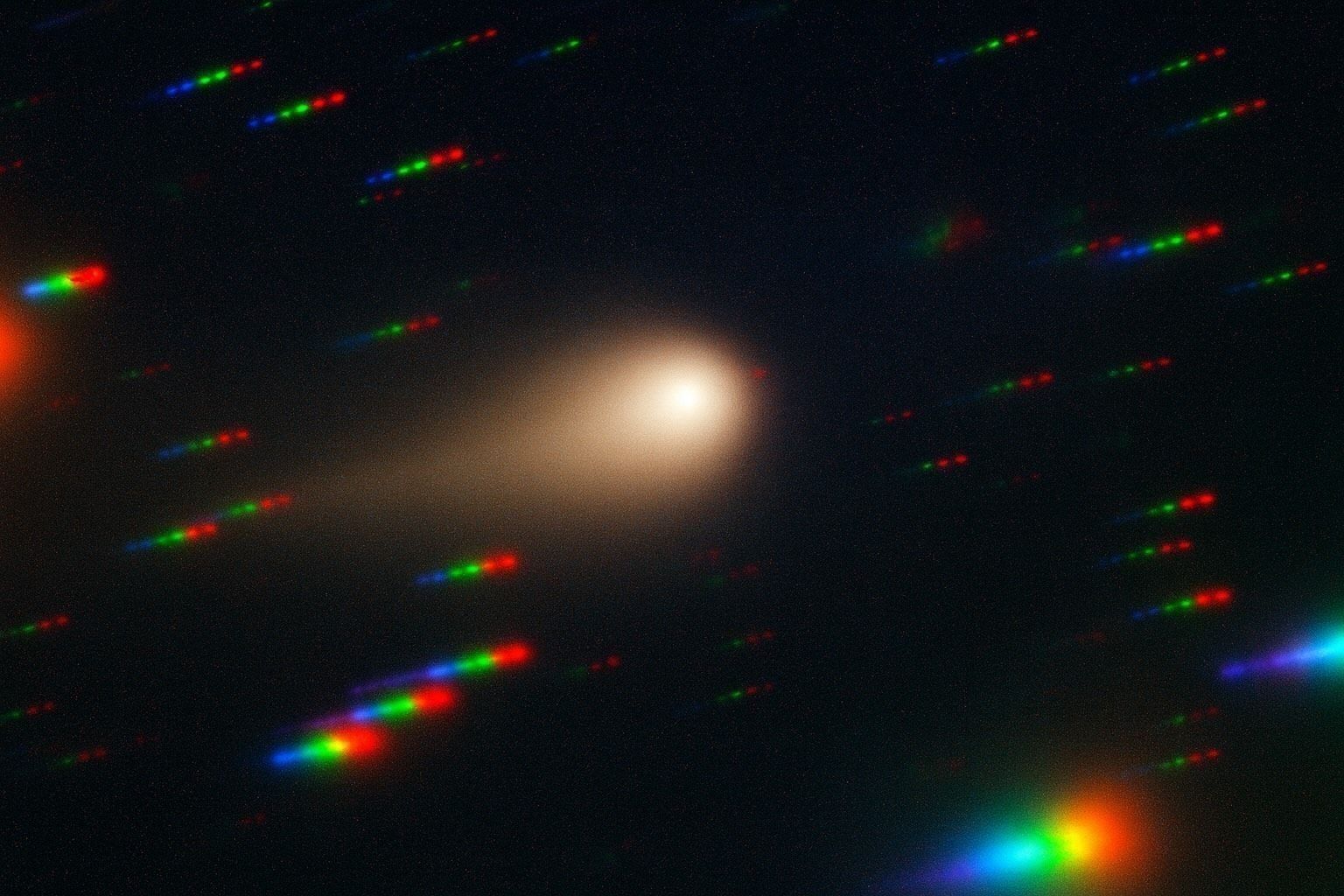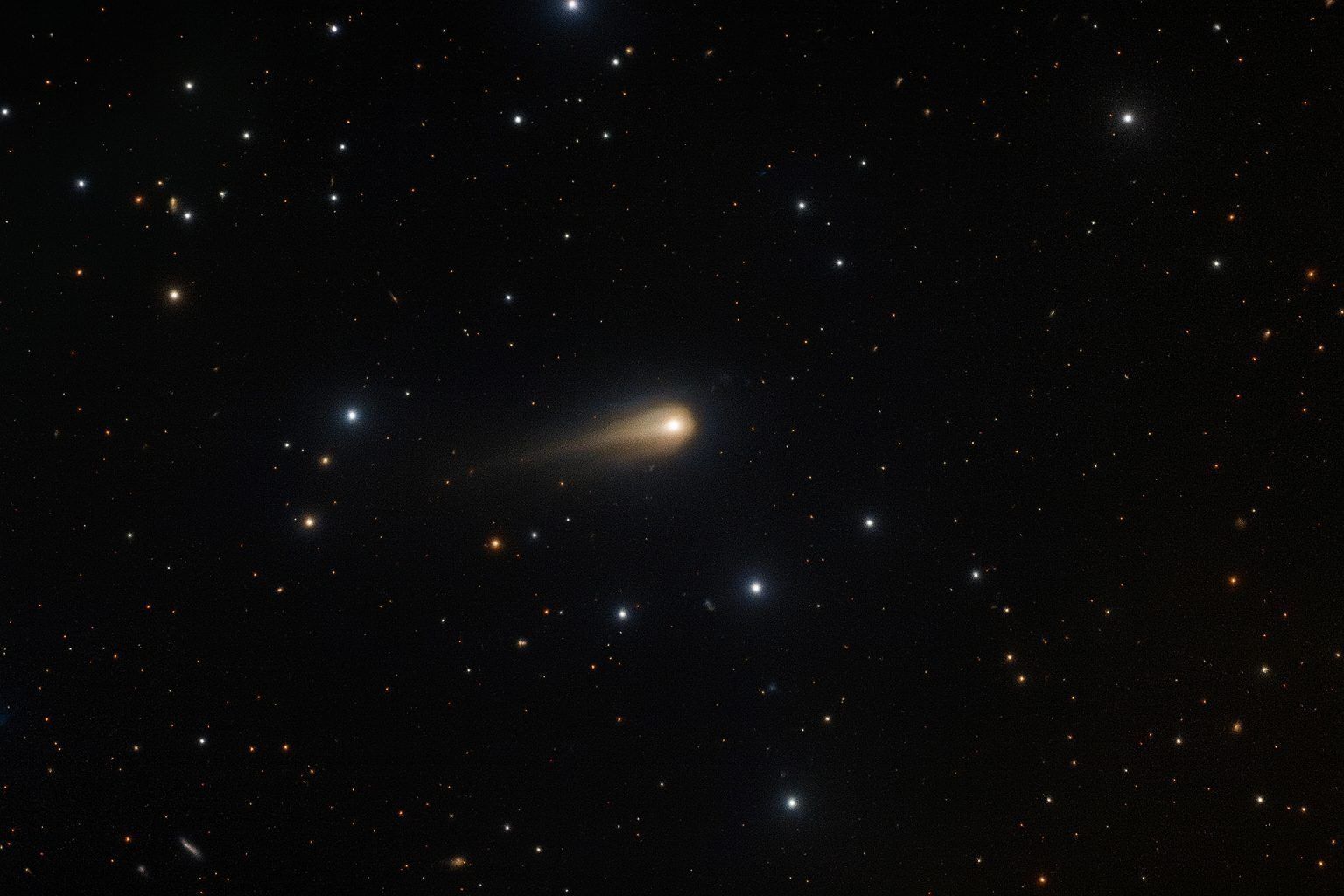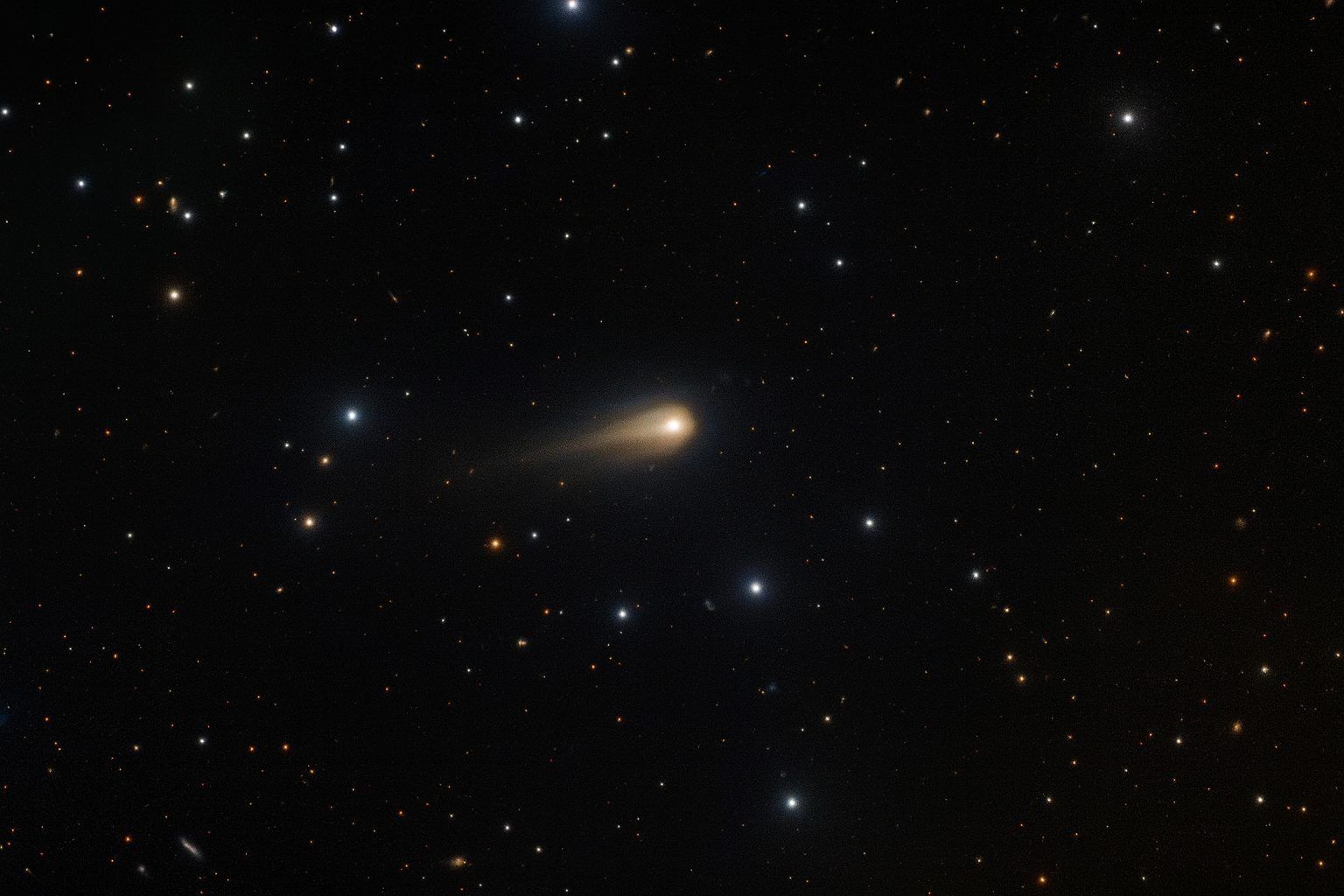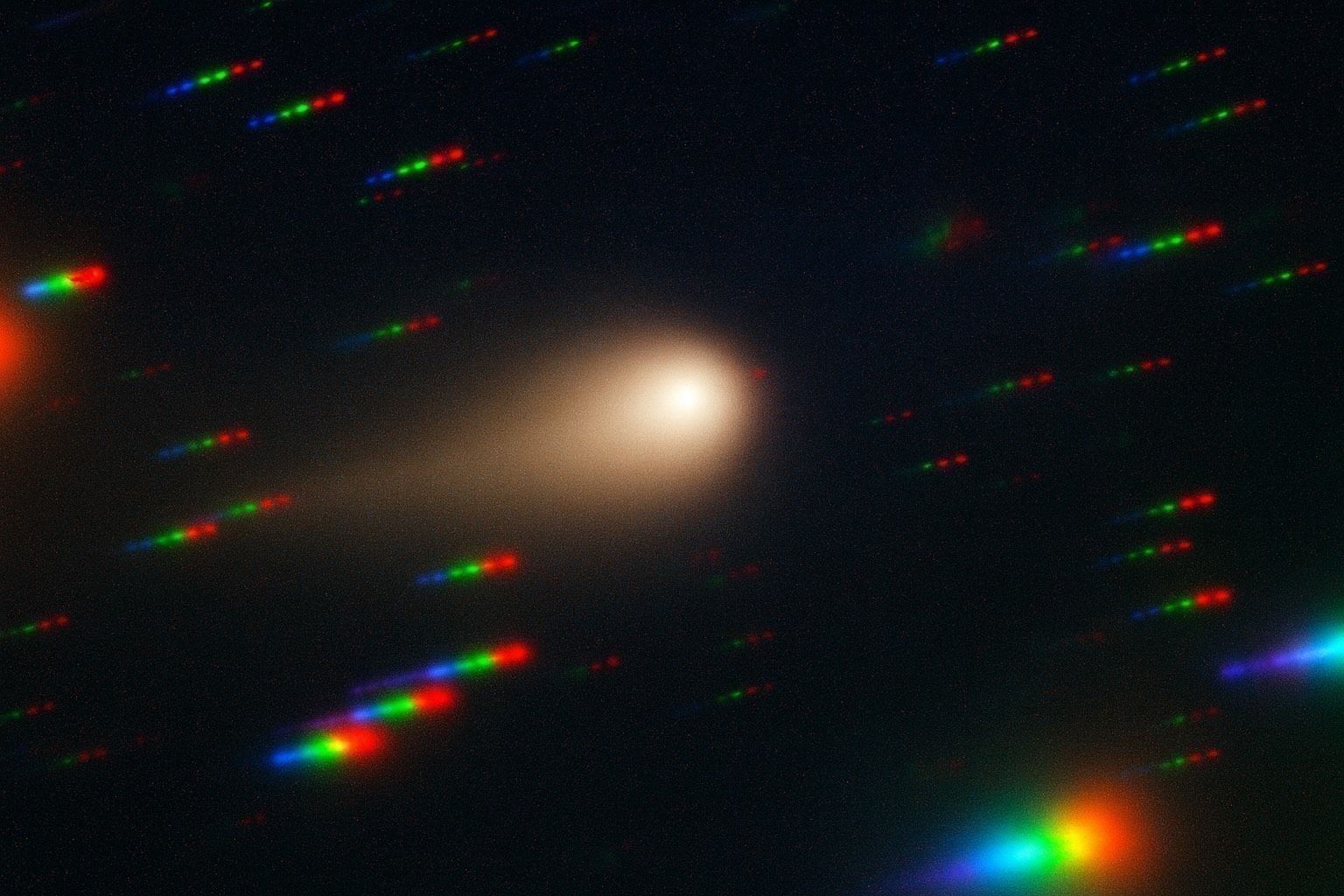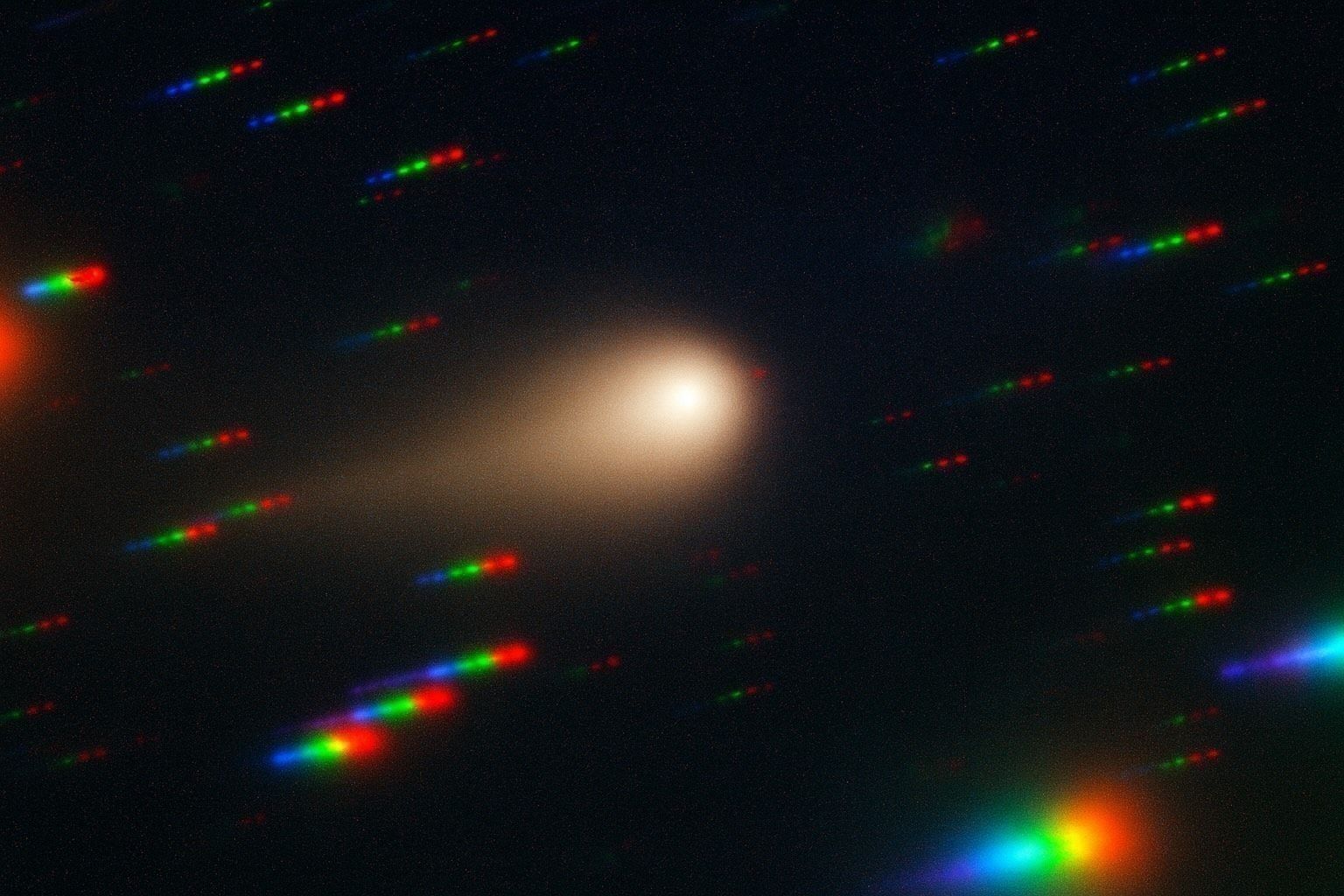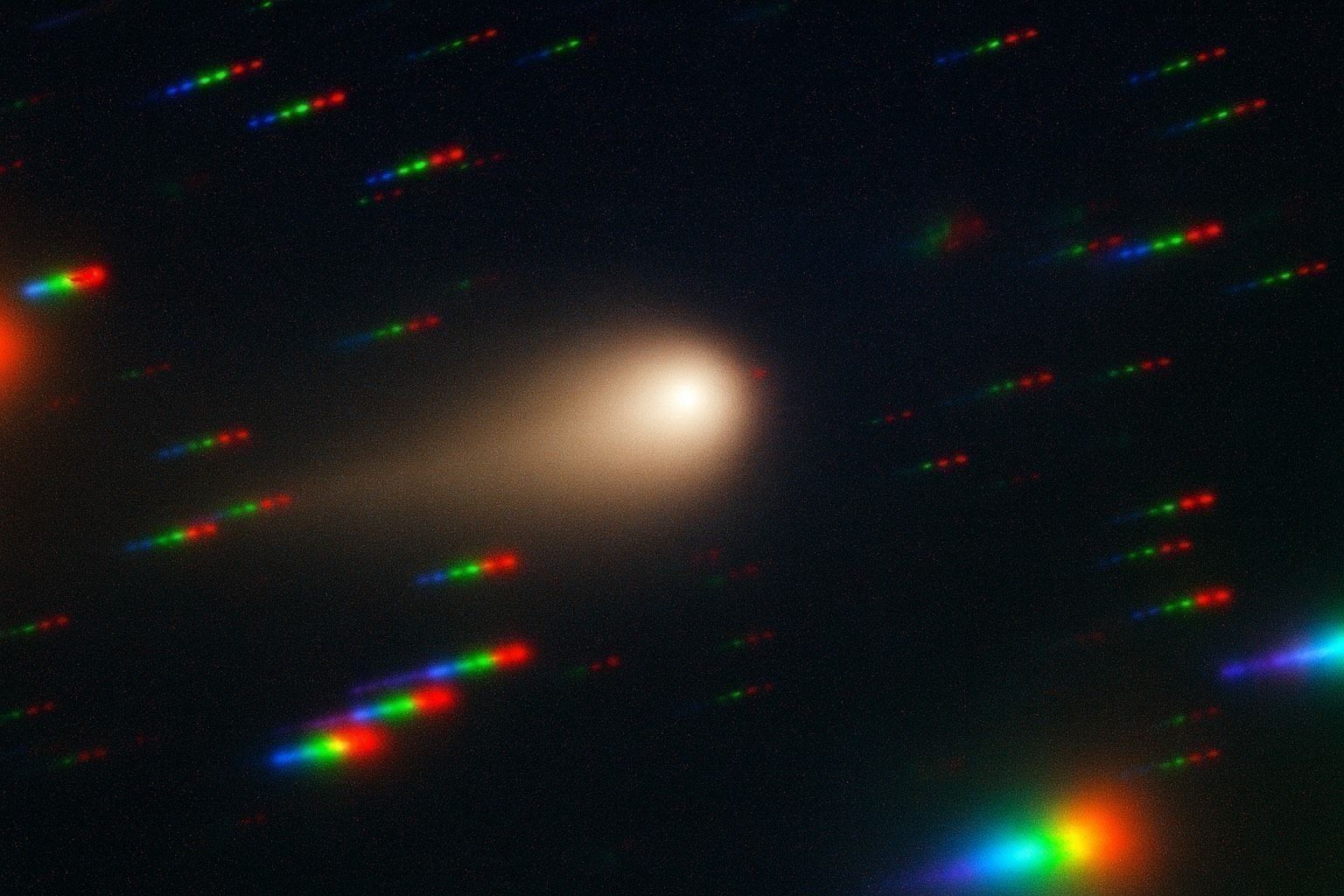

On December 5, 2025, astronomers around the world are laser‑focused on one object: interstellar comet 3I/ATLAS, only the third known visitor from another star system to sweep through our solar neighborhood. Fresh Hubble images, new spacecraft observations and a provocative study about possible “ice volcanoes” are turning this icy wanderer into the most closely watched comet in years. NASA Science+1 This article pulls together the latest developments up to December 5, 2025, and explains what they tell us about where 3I/ATLAS came from, what it’s made of, and how you can see it in the sky.
Published December 5, 2025 NASA is closing out 2025 with a flood of major developments: its next flagship space telescope is now fully assembled, scientists are warning that satellite swarms could seriously damage future space astronomy, an interstellar comet is under intense scrutiny, and new results are reshaping our understanding of asteroids, supernovae, Earth’s weather and even aircraft safety.
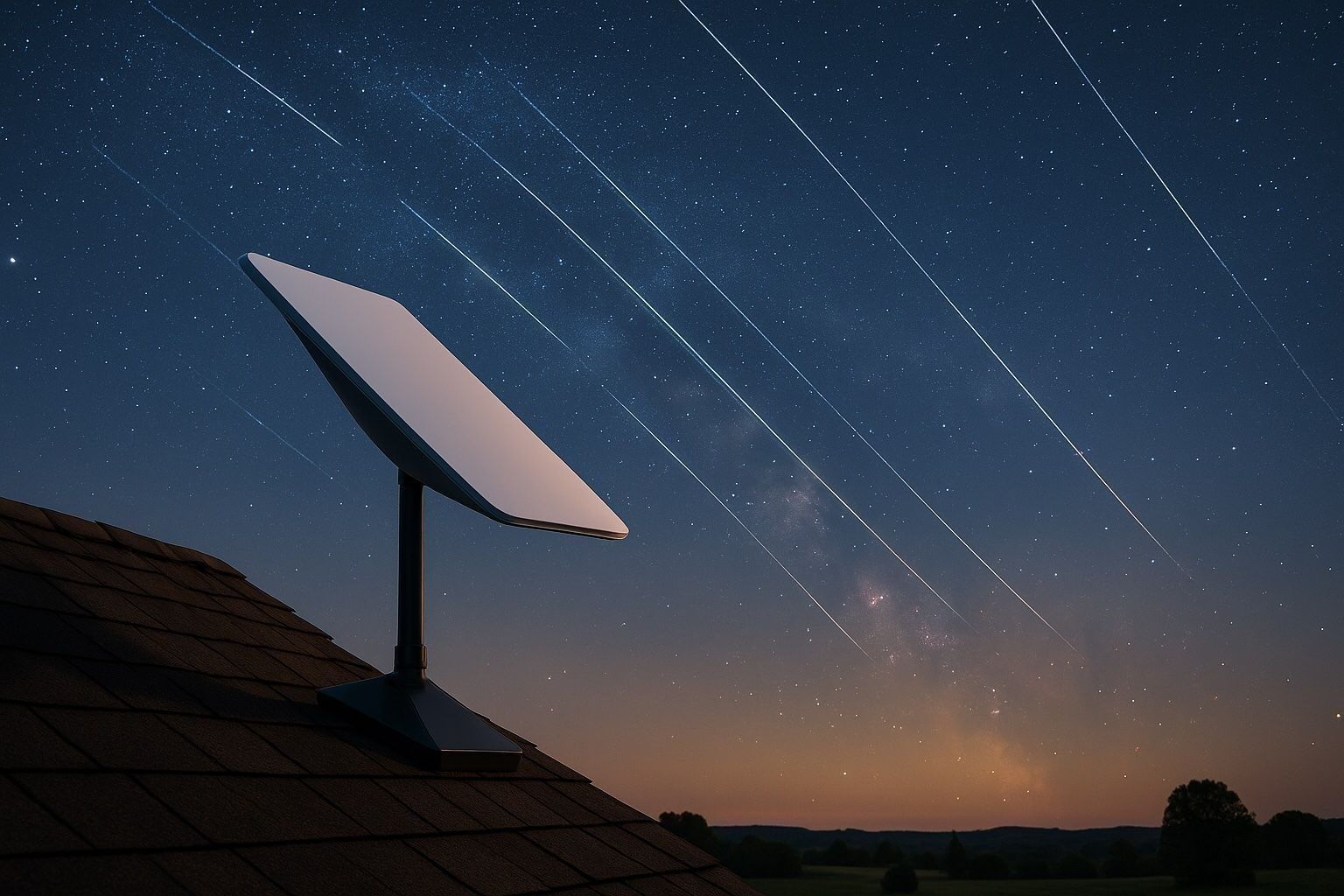
Published: December 5, 2025 On December 3, 2025, Nature published a peer‑reviewed paper titled “Satellite megaconstellations will threaten space‑based astronomy,” authored by NASA researchers Alejandro S. Borlaff, Pamela M. Marcum and Steve B. Howell. Nature
Interstellar comet 3I/ATLAS – also known as C/2025 N1 – has just become the most closely watched visitor in the night sky. On 4 December 2025, a wave of new observations and images from NASA and ESA revealed that this third-known interstellar object is far more active and scientifically intriguing than astronomers first expected. NASA Science+2European Space Agency+2 Fresh Hubble photos, a surprise “teaser” image from ESA’s Juice spacecraft and new reports of vigorous activity around the comet are converging just as 3I/ATLAS heads toward its closest approach to Earth later this month, offering scientists and skilled amateur astronomers a rare chance to study a comet forged around another star. NASA Science+1
Published: December 3, 2025 NASA has just added a dramatic new chapter to the story of interstellar comet 3I/ATLAS. Today, the agency revealed that its Psyche spacecraft — currently en route to a metal‑rich asteroid — has captured detailed observations of the comet, sharpening its trajectory and feeding into a solar‑system‑wide campaign that now includes a United Nations–backed planetary‑defense exercise. NASA Science+2NASA Science+2
Published: December 3, 2025 Interstellar comet 3I/ATLAS – only the third known visitor from another star system – is putting on one of the strangest shows astronomers have ever seen.
The European Space Agency and the German Aerospace Center are looking for volunteers willing to live like astronauts on a simulated Mars mission – or spend 60 days in bed – for up to €23,000 in compensation. Cologne, Germany – December 3, 2025.
Interstellar comet 3I/ATLAS is turning December 2025 into one of the most dramatic months in modern astronomy. The icy visitor from another star system is firing powerful jets, showing signs of possible “ice volcanoes,” pulsing with a 16‑hour light pattern and inspiring everything from rigorous science to wild alien‑probe speculation. At the same time, NASA and ESA have tightened its trajectory, confirmed it poses no threat to Earth, and used it as a live-fire drill for planetary‑defense planning. NASA Science+2Universe Today+2
Updated December 1, 2025 On Friday, December 19, 2025, an ancient visitor from another star system will make its closest pass to Earth. Interstellar comet 3I/ATLAS will sweep by at a distance of about 170 million miles — nearly twice as far away as the Sun and more than 700 times the distance to the Moon.NASA Science+1
Scientists are racing to understand a mysterious fungus thriving in Chernobyl’s ruins – and whether its superpower can be turned into a shield for deep‑space explorers. Over the last few days, a cluster of high‑profile stories has pushed an obscure organism into the global spotlight:
Published: 30 November 2025 Interstellar comet 3I/ATLAS – also known as C/2025 N1 or simply the 3I ATLAS comet – is racing out of the inner solar system after a dramatic swing around the Sun. It’s only the third known object ever seen entering our neighbourhood from another star system, and it has triggered an unprecedented response from NASA, ESA and the United Nations. NASA Science+1
The interstellar comet 3I/ATLAS is now sweeping back out of the inner solar system, but the news cycle around it is only getting hotter. On November 29, 2025, new headlines are mixing hard data from NASA and the UN with high‑profile speculation from physicists Avi Loeb and Michio Kaku about “energy boosts,” “controlled emissions” and even possible alien probes. Here’s a clear, fact‑checked look at what’s actually new today, how comet 3I/ATLAS is behaving, and why scientists say it’s extraordinary but not a threat.
Meta description: SpaceX’s Falcon 9 Transporter‑15 rideshare mission lifted off from Vandenberg Space Force Base on November 28, 2025, launching 140 satellites, including a private space telescope, and prompting sonic boom alerts along California’s coast. VANDENBERG SPACE FORCE BASE, Calif. — November 28, 2025
Published: November 28, 2025 Interstellar comet 3I/ATLAS – only the third known object from another star system to visit our Solar System – has just stepped into a new role. As of today, it’s the centerpiece of a United Nations–endorsed planetary‑defence exercise, the focus of a huge NASA observation campaign, and the subject of intense online debate over whether it’s a “normal” comet at all. The Times of India+2NASA Science+2
November 28, 2025 A dramatic week for human spaceflight has left Russia’s Baikonur Cosmodrome with a damaged launch pad and the International Space Station with three new crew members — including NASA astronaut Chris Williams — safely on board. While the Soyuz MS‑28 mission reached orbit and docked as planned, post‑launch inspections revealed serious damage to Baikonur’s Site 31, the only pad currently certified for Russia’s crewed Soyuz flights to the ISS. Reuters+2NASA+2
As of Friday, 28 November 2025, interstellar comet 3I/ATLAS has gone from “weird new visitor” to the centerpiece of a United Nations–endorsed planetary‑defence drill, a live trajectory experiment using spacecraft around Mars, and a lightning rod for speculation about alien technology. The Times of India+2Universe Today+2 Over the last 48 hours, three big themes have emerged:
On 27 November 2025, interstellar comet 3I/ATLAS hits a major milestone in its brief visit through our Solar System. The United Nations’ planetary‑defence network is officially turning the comet into a live global drill, while new data from spacecraft around Mars has tightened its predicted trajectory by a factor of ten.Universe Today+1 Here’s what’s happening today, why scientists are so excited — and why you absolutely don’t need to worry about a doomsday comet.
As of November 27, 2025, Earth’s newest interstellar visitor is back in the pre‑dawn sky, at the center of a United Nations planetary‑defense exercise and a wave of viral speculation. Here’s what’s actually happening with comet 3I/ATLAS today. Over the last 24 hours, several key developments around 3I/ATLAS have hit the news:
July 1, 2026, 12:29 AM EDT. Air Canada (TSX:AC) stock has lost more than half its value, down 52%, but is still trading at a trailing P/E of 10.1. The airline has made cuts and boosted operational efficiency, keeping its balance sheet stable. Jet fuel prices have dropped as U.S.-Iran tensions ease, while bookings for summer travel look strong. Air Canada has added free WiFi and more Aeroplan perks to try to gain share. The sector is still volatile, and investors looking to buy on weakness need patience and regular reviews. The recent drop could give long-term investors a shot at a better entry.