Today: 21 May 2026
Browse Category

Space Exploration 4 November 2025 - 14 November 2025

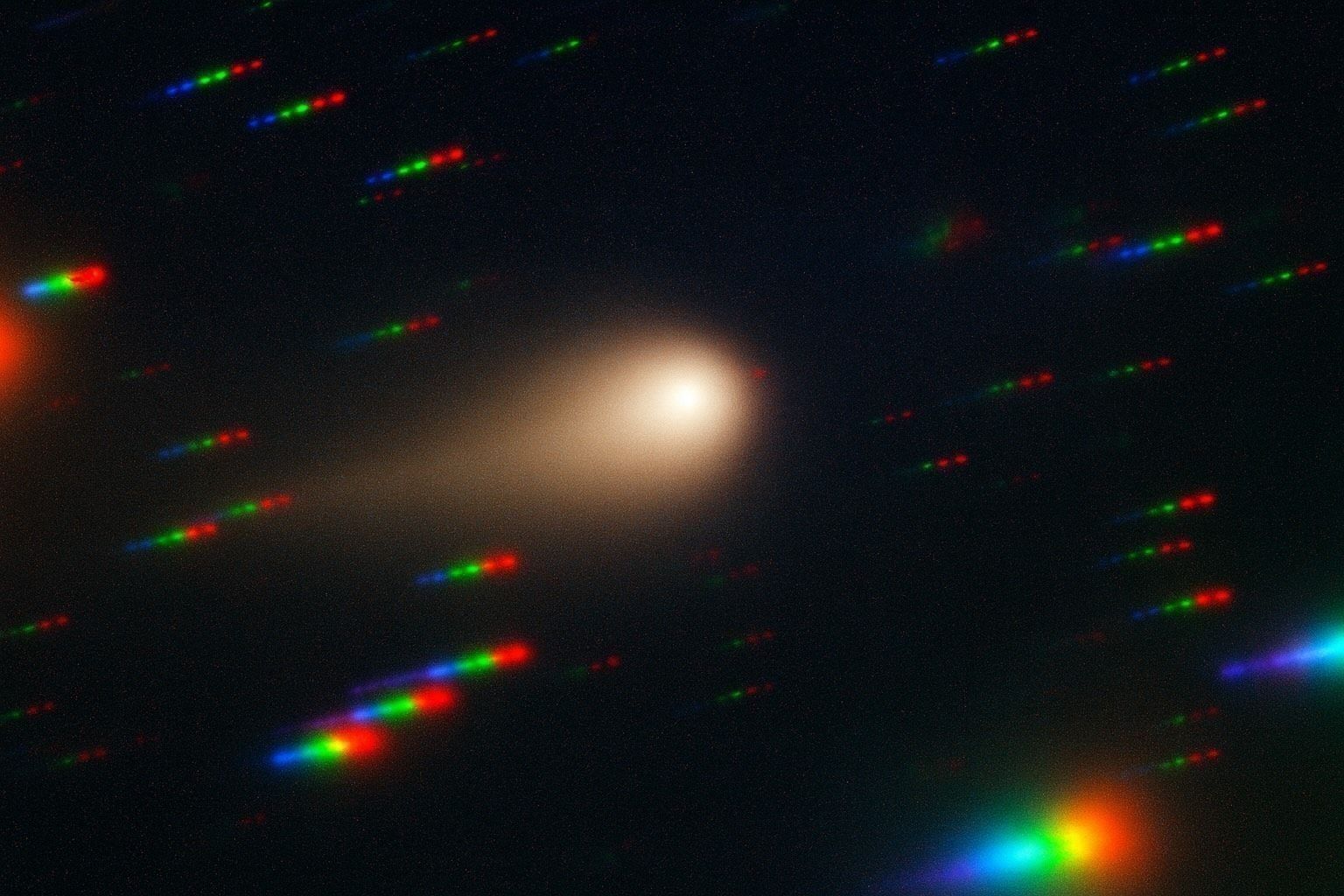
Interstellar Comet 3I/ATLAS Shrouded in CO₂ Fog – NASA’s SPHEREx Reveals a Cosmic Visitor’s Secrets

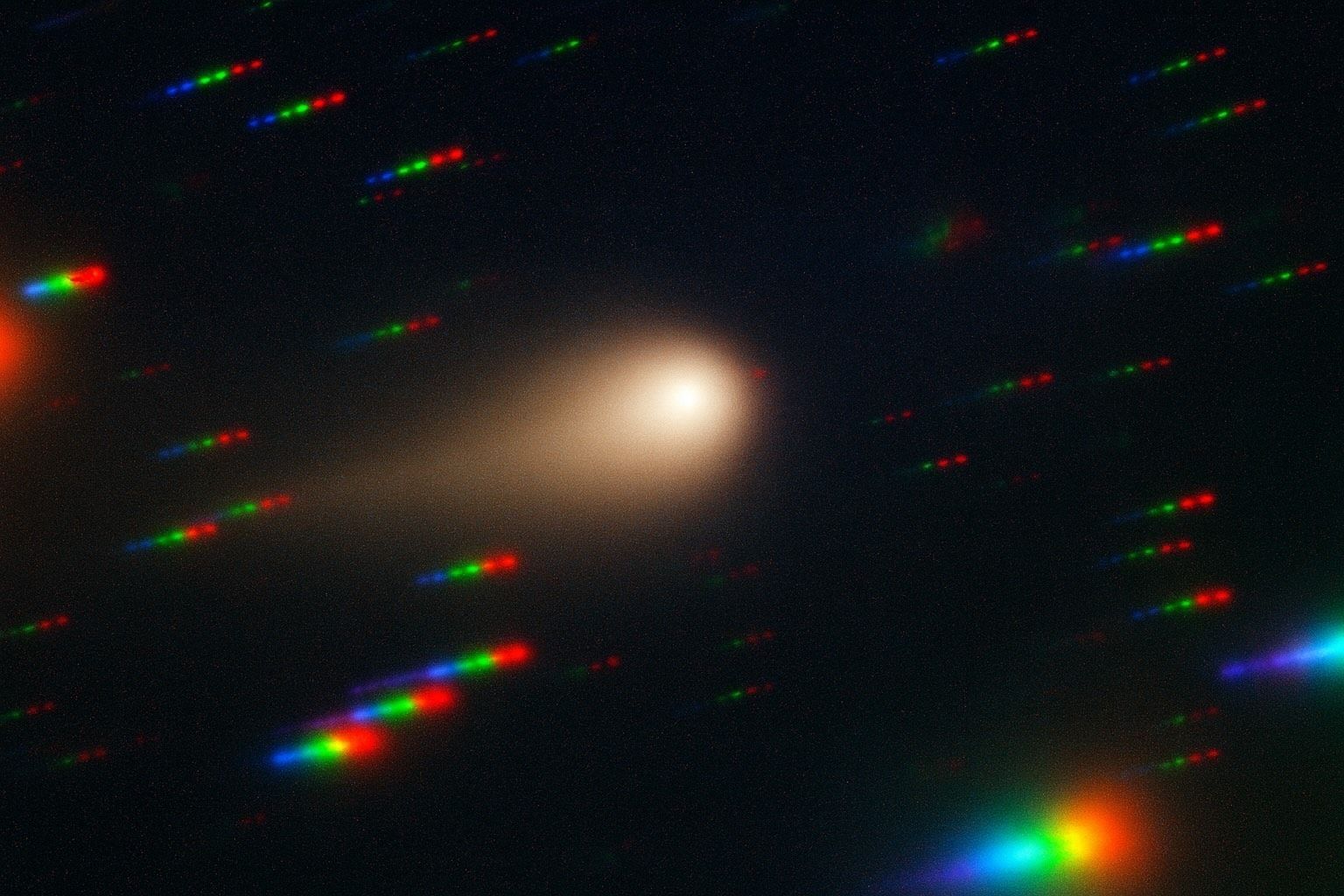
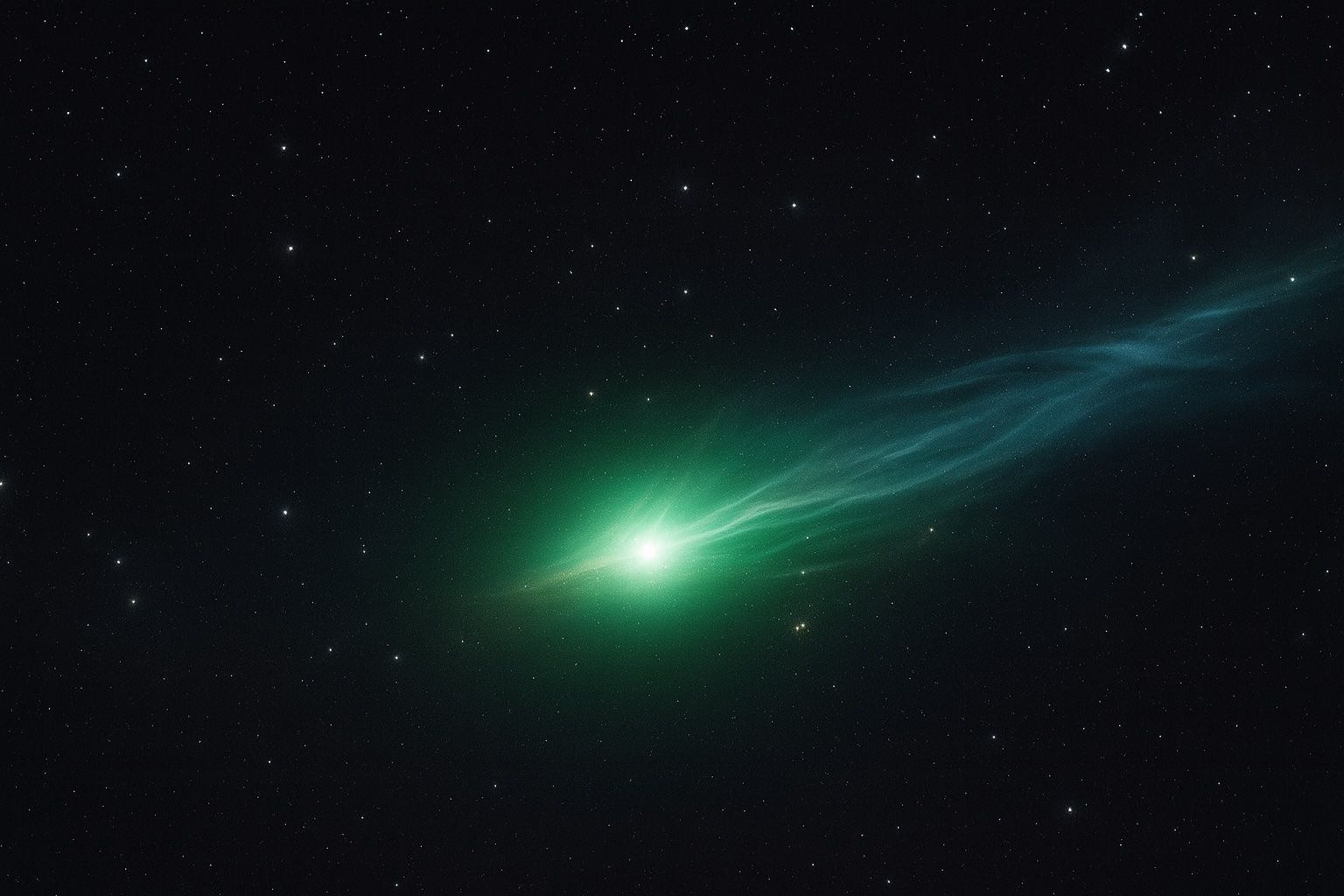
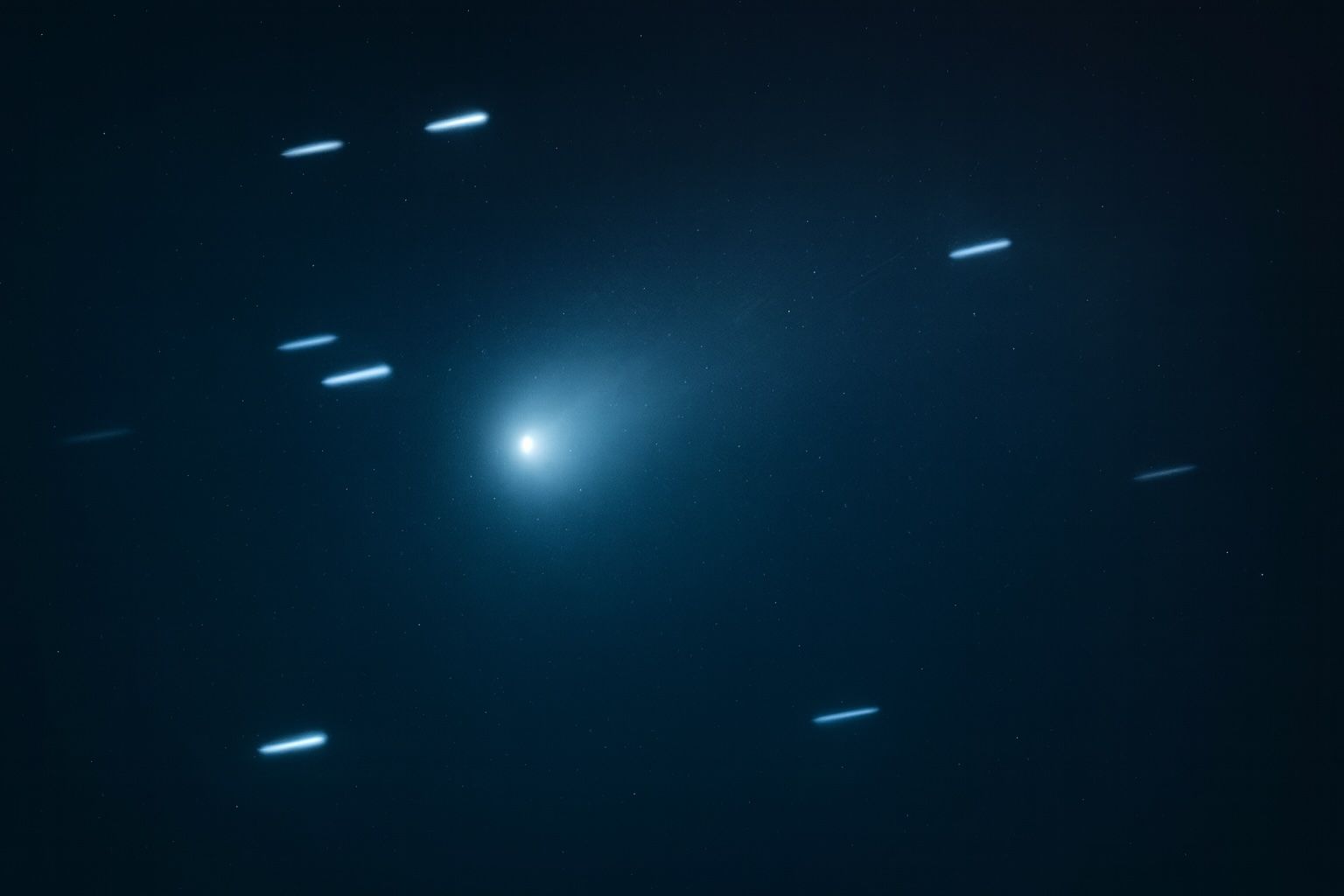
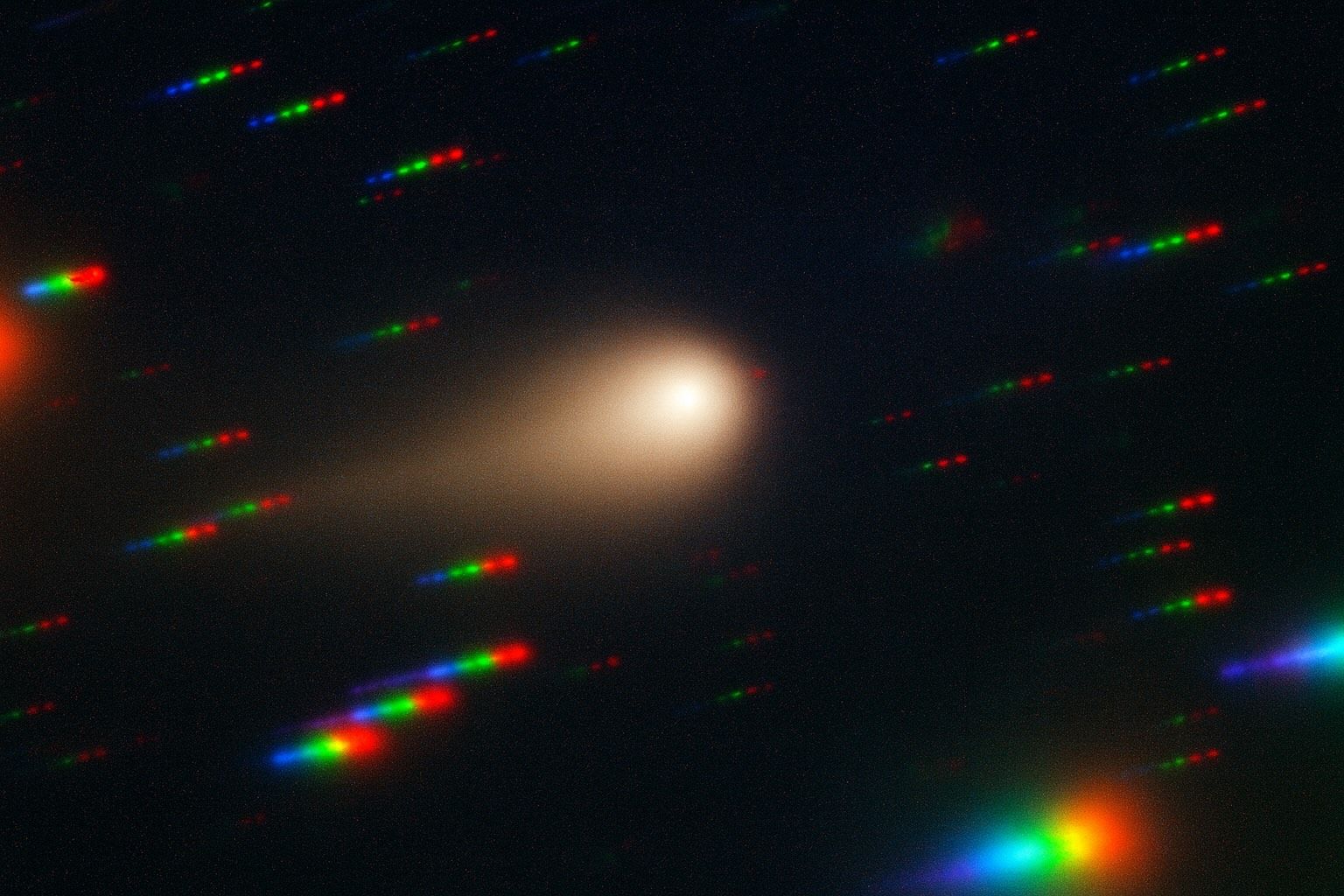
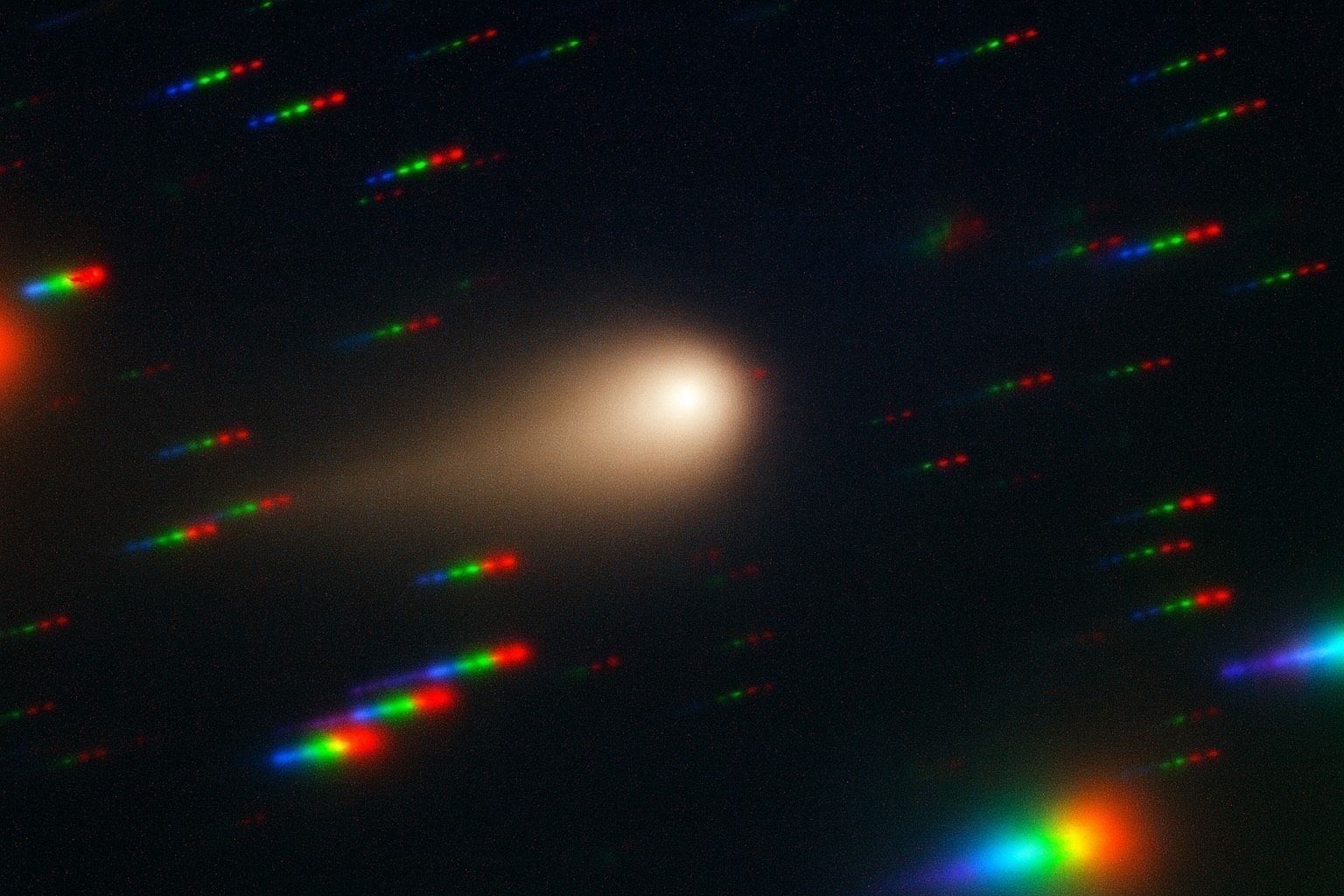
Interstellar Comet 3I/ATLAS on 14 November 2025: New ESA Orbit, Fresh Spectra, Politics, Alien Hype – and How to See It

The European Space Agency announced it has improved the orbit prediction for interstellar comet 3I/ATLAS using data from the ExoMars Trace Gas Orbiter. New optical and infrared images were released, while NASA faces criticism over withholding some images. The comet is now visible before dawn to Northern Hemisphere telescopes. Speculation about its origin continues.
14 November 2025
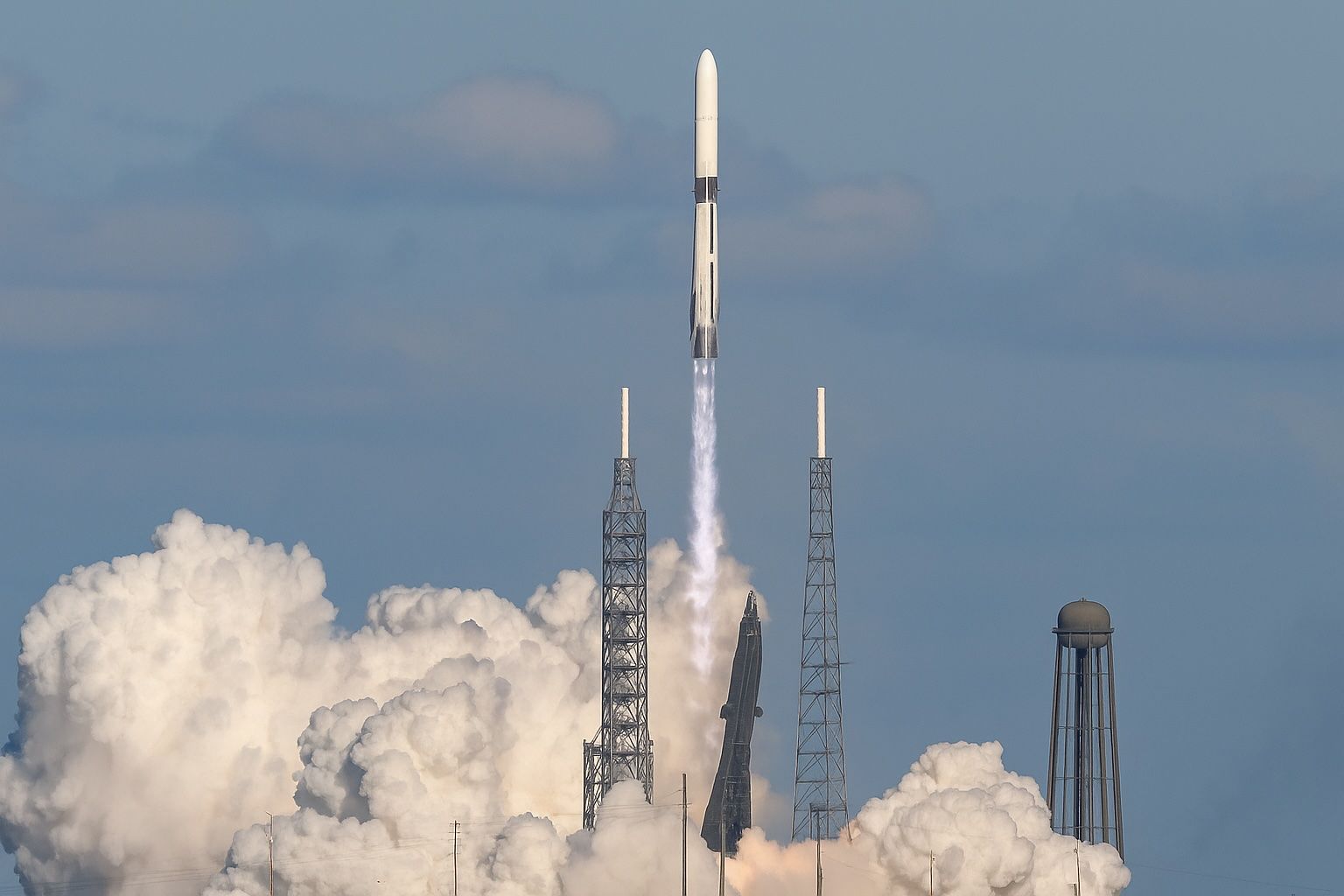
New Glenn Launches NASA’s ESCAPADE to Mars, Nails First Sea Landing (Nov. 13, 2025)

New Glenn Launches NASA’s ESCAPADE to Mars, Nails First Sea Landing (Nov. 13, 2025)

Blue Origin’s New Glenn rocket launched NASA’s twin ESCAPADE spacecraft toward Mars from Cape Canaveral at 3:55 p.m. EST on Nov. 13, 2025, then landed its booster on the ship Jacklyn in the Atlantic. NASA confirmed both probes separated as planned and began their year-long Earth orbit before heading to Mars in 2027. The flight also carried a Viasat tech demo.
14 November 2025
MeerKAT Detects Radio Signal From Interstellar Comet 3I/ATLAS — OH Lines Confirm Natural Origin (Nov. 13, 2025)

MeerKAT Detects Radio Signal From Interstellar Comet 3I/ATLAS — OH Lines Confirm Natural Origin (Nov. 13, 2025)

South Africa’s MeerKAT radio array detected hydroxyl absorption lines at 1665 and 1667 MHz from interstellar comet 3I/ATLAS on Oct. 24, 2025, confirming water outgassing as it neared the Sun. The signal matches classic comet chemistry and counters recent speculation about artificial origins. Earlier September attempts saw no signal. The finding marks the first radio confirmation for 3I/ATLAS.
Alien Probe or Cosmic Relic? Interstellar Comet 3I/ATLAS Baffles Scientists (updated 27.10.2025)

Comet 3I/ATLAS on Nov. 12, 2025: Tail Keeps Growing, First Radio Signal Confirmed, and How to See the Interstellar Visitor

Astronomers captured new images Nov. 10–11 showing interstellar comet 3I/ATLAS with a lengthening, structured ion tail as it returns to the predawn sky. South Africa’s MeerKAT array detected hydroxyl radio signals on Oct. 24, confirming typical comet chemistry. The comet is visible low in the east before dawn, drifting through Virgo at magnitude 11–12. ESA’s JUICE spacecraft will attempt further observations this month.
Science Breakthroughs That Rocked July 21–22, 2025. News Roundup.

Science Today — Nov. 12, 2025: Severe Auroras Sweep the Globe, Blue Origin Targets New Glenn Launch, Webb Spots Organic “Life Seeds” Beyond the Milky Way, Three Earth‑Size Worlds Found in a Two‑Sun System, Enceladus’ Ocean Looks Long‑Lived, and Earth’s Hidden Geology Fuels Ocean Volcanoes

NOAA confirmed a rare G4 geomagnetic storm early Nov. 12, with auroras seen unusually far south and more possible tonight. Blue Origin is set to launch NASA’s ESCAPADE Mars probes on its New Glenn rocket during a window starting 2:50 p.m. ET. JWST detected complex organic molecules in ice beyond the Milky Way. Astronomers found three Earth-size planets orbiting two suns in system TOI-2267.
12 November 2025
Interstellar Comet 3I/ATLAS: A Visitor from Beyond the Solar System

Comet 3I/ATLAS Today (Nov. 10, 2025): First Radio Signal Confirmed, Fresh Jet/Tail Images & What to Watch Next

South Africa’s MeerKAT telescope detected hydroxyl absorption lines from comet 3I/ATLAS on Oct. 24, confirming active comet behavior. New images from Oct. 31–Nov. 9 show multiple jets and a visible ion tail as of Nov. 10. The comet passed perihelion around Oct. 30 and will remain about 270 million km from Earth at closest approach on Dec. 19, 2025. No threat to Earth is reported.
10 November 2025
Alien Probe or Cosmic Relic? Interstellar Comet 3I/ATLAS Baffles Scientists (updated 27.10.2025)

Interstellar Comet 3I/ATLAS on Nov. 9, 2025: Tail Mystery, New Jet Images, and Where to Look This Week

Fresh images of interstellar comet 3I/ATLAS released today show complex jet structures but little sign of a classic dust tail, fueling debate among astronomers. Researchers dispute claims of a color change, attributing the blue-green glow to gas emissions near perihelion. The comet passed closest to the sun on Oct. 30 and is now reappearing in the pre-dawn sky. Closest approach to Earth will be about 270 million km on Dec. 19.
9 November 2025
Rare Interstellar Comet 3I/ATLAS – a 10-Billion-Year-Old Time Capsule – Flies Past Mars

Comet 3I/ATLAS Today (Nov. 9, 2025): Post‑Perihelion Status, New Spacecraft Images, Visibility Guide — and What’s Hype vs Fact

Comet 3I/ATLAS, the third confirmed interstellar object to enter the solar system, has reappeared in the predawn sky after passing behind the sun. China’s Tianwen-1 orbiter captured images near Mars, confirming the comet’s activity. Observers report a faint, complex tail despite viral claims to the contrary. NASA notes some data releases are delayed due to the ongoing U.S. government shutdown.
9 November 2025
Sharper Black Hole Images Could Put Einstein’s Gravity to the Test: New Study Maps What Future Telescopes Must See (7 Nov 2025)

Brighter Than 10 Trillion Suns: Record Black Hole Flare 10 Billion Light‑Years Away

Astronomers have observed the brightest and most distant black hole flare ever recorded, from AGN J2245+3743, 10 billion light-years away. The flare peaked at the brightness of about 10 trillion suns, likely caused by a supermassive black hole shredding a massive star. The event is roughly 30 times more powerful than previous records. Scientists continue to monitor the fading flare.
8 November 2025
Sharper Black Hole Images Could Put Einstein’s Gravity to the Test: New Study Maps What Future Telescopes Must See (7 Nov 2025)

Sharper Black Hole Images Could Put Einstein’s Gravity to the Test: New Study Maps What Future Telescopes Must See (7 Nov 2025)

A new study in Nature Astronomy sets a 2–5% image fidelity threshold for future black hole observations to distinguish Einstein’s black holes from alternatives. Simulations show that if upcoming telescopes like the upgraded Event Horizon Telescope or proposed missions reach this precision, they could rule out many rival gravity models. Current images remain consistent with Einstein’s theory.
8 November 2025
Blue Origin to Launch NASA’s Twin ESCAPADE Mars Probes on Nov. 9: Time, Livestream, Mission Goals, and What Happens Next

Blue Origin to Launch NASA’s Twin ESCAPADE Mars Probes on Nov. 9: Time, Livestream, Mission Goals, and What Happens Next

Blue Origin’s New Glenn rocket is set to launch NASA’s ESCAPADE twin Mars satellites Nov. 9 at 2:45 p.m. ET from Cape Canaveral. This marks New Glenn’s second flight and NASA’s first dual-spacecraft mission to another planet. Blue Origin will attempt an ocean droneship landing after stage separation. Weather is currently 65% favorable; a backup window opens Nov. 10.
8 November 2025
Hidden Heat at Enceladus’ North Pole Bolsters Case for Life: Cassini Data Show Stable Ocean in New Study (Nov. 7, 2025)

Hidden Heat at Enceladus’ North Pole Bolsters Case for Life: Cassini Data Show Stable Ocean in New Study (Nov. 7, 2025)

NASA’s Cassini data show excess heat at Enceladus’ north pole, balancing heat loss at the south, according to a study in Science Advances on Nov. 7, 2025. Measurements indicate the moon’s global heat loss is about 54 gigawatts, matching predicted tidal heating from Saturn. Researchers found the north pole surface about 7 kelvin warmer than expected. The findings point to a stable subsurface ocean.
8 November 2025
Interstellar Comet 3I/ATLAS: A Visitor from Beyond the Solar System

Comet 3I/ATLAS Today (Nov 7, 2025): New Mars‑orbiter images, how to see it before dawn, and what scientists are learning about this interstellar visitor

China’s Tianwen-1 probe has released new images of interstellar comet 3I/ATLAS from Mars orbit, following similar data from ESA’s ExoMars orbiter. The comet, only the third confirmed interstellar object, reappeared after passing behind the Sun and can now be tracked with public tools. Closest approach to Earth will be December 19 at about 270 million km. No hazard to Earth has been reported.
7 November 2025
Alien Probe or Cosmic Relic? Interstellar Comet 3I/ATLAS Baffles Scientists (updated 27.10.2025)

Comet 3I/ATLAS News Roundup (Nov. 6, 2025): China’s Mars Orbiter Images the Interstellar Visitor, JWST Chemistry Update, and How to See It

China’s Tianwen‑1 Mars orbiter captured new images of interstellar comet 3I/ATLAS on October 3 from about 30 million km away, showing the coma as a moving fuzzy point. ESA’s Mars orbiters also observed the comet during its close pass. NASA confirms 3I/ATLAS poses no threat to Earth and reached perihelion around October 30. JWST data indicate the comet’s surface has a deep irradiated crust from cosmic-ray exposure.
6 November 2025
Interstellar Comet 3I/ATLAS: A Visitor from Beyond the Solar System

Comet 3I/ATLAS today (6 Nov 2025): China’s Mars orbiter snaps new photos as the interstellar visitor turns bluer and shows puzzling acceleration

China’s Tianwen‑1 orbiter photographed interstellar comet 3I/ATLAS from Mars orbit in early October, releasing images and animation on Nov. 6. The comet has shifted to a bluish color and is showing non‑gravitational acceleration, according to independent reports. 3I/ATLAS has reappeared in Earth’s morning skies, with new images from Italy’s Virtual Telescope Project. Pressure is mounting for NASA to release its own Mars flyby data.
6 November 2025
SpaceX launches 29 Starlink satellites from Florida; targets another 28 from Vandenberg today (Nov. 6, 2025)

SpaceX launches 29 Starlink satellites from Florida; targets another 28 from Vandenberg today (Nov. 6, 2025)

A Falcon 9 rocket launched 29 Starlink V2 Mini satellites from Cape Canaveral at 8:31 p.m. EST Wednesday, with the booster landing on the drone ship “Just Read the Instructions.” SpaceX confirmed successful deployment just over an hour later. Another Falcon 9 is scheduled to launch 28 Starlink satellites from Vandenberg Space Force Base today between 12:56 and 4:56 p.m. Pacific.
6 November 2025
‘Yeast Survives Mars’ & ESA’s ‘Protein Out of Thin Air’: How Biology Is Rewriting the Mars Menu — and What It Means for Investors

‘Yeast Survives Mars’ & ESA’s ‘Protein Out of Thin Air’: How Biology Is Rewriting the Mars Menu — and What It Means for Investors

ESA has launched the HOBI‑WAN pilot to test microbial protein production from hydrogen, oxygen, and CO₂ in microgravity, with OHB System AG and Solar Foods as partners. An eight-month ground phase begins now, ahead of an ISS flight model. Indian researchers report yeast surviving Mars-like shock waves and toxic salts. Solar Foods shares traded near €5.5 in Helsinki, OHB SE closed at €106 in Frankfurt.
Space Junk Scare: China Delays Shenzhou‑20 Return After Suspected Debris Strike — What It Means for Astronaut Safety, Markets and the Space Race

Space Junk Scare: China Delays Shenzhou‑20 Return After Suspected Debris Strike — What It Means for Astronaut Safety, Markets and the Space Race

China’s space agency has delayed the Shenzhou‑20 crew’s landing after a suspected orbital debris strike, with no new return date set. Both Shenzhou‑20 and Shenzhou‑21 remain docked at Tiangong following a completed crew handover. Backup plans include returning the outgoing crew on Shenzhou‑21 or launching an emergency vehicle. This marks the first debris-related delay for a Shenzhou return.
Interstellar Comet 3I/ATLAS Stuns Scientists with Surprising Bright Outburst and Ancient Origins

Interstellar Comet 3I/ATLAS Stuns Scientists with Surprising Bright Outburst and Ancient Origins

Comet 3I/ATLAS, discovered July 1, 2025 by the ATLAS survey in Chile, is only the third known interstellar object to enter the solar system. The comet brightened rapidly as it passed the Sun on October 29, baffling astronomers and revealing strong outgassing of water vapor and carbon dioxide. It will not approach closer than 1.8 AU from Earth. Analyses suggest 3I/ATLAS may be nearly 10 billion years old.
1 3 4 5 6 7 11

Stock Market Today

  • Planet Labs Nears Sustainable Profitability Amid Industry Challenges
    May 21, 2026, 3:12 PM EDT. Planet Labs (PL) operates a vast network of Earth observation satellites capturing global images daily. Despite technological advances and expanded roles in defense and agriculture, the company has yet to secure steady profits due to high costs in satellite manufacturing, launches, maintenance, and R&D. Revenue growth lags behind fixed costs, while long government sales cycles delay cash flow. Management's 2026 guidance shows optimism, focusing on cost control, vertical specialization, and software monetization to enhance margins. Industry peers Rocket Lab (RKLB) and BlackSky Technology (BKSY) face similar profitability challenges. PL's stock has surged 117% year-to-date but trades at a lofty price-to-sales ratio of 31.38, far above the industry average of 3.86, reflecting high investor expectations amid ongoing financial pressures.

Latest articles

Nebius Shares Surge 15% After $2.6 Billion AI Power Plan Announced

Nebius Shares Surge 15% After $2.6 Billion AI Power Plan Announced

21 May 2026
Nebius Group N.V. shares surged 15.6% to $221.72 after announcing a fuel cell power deal with Bloom Energy, securing up to 328 MW of on-site electricity capacity for its AI infrastructure. The agreement could cost Nebius up to $2.6 billion over 10 years. Bloom shares rose 12.2% on the news. Nebius's first-quarter revenue jumped to $399 million from $50.9 million a year earlier.
Sirius XM stock nears new highs as traders look at audio strategy

Sirius XM stock nears new highs as traders look at audio strategy

21 May 2026
Sirius XM shares rose 6.8% to $28.90 by 2:07 p.m. EDT Thursday, outpacing major U.S. indexes. The rally followed CFO Zac Coughlin’s investor conference appearance and news of a renewed multi-year NASCAR broadcast deal. First-quarter subscriber losses were smaller than expected, and revenue topped forecasts. Volume reached 4.8 million shares, with a market value near $9.8 billion.
KEEL Surges as Investors Back Keel’s AI Data Center Plans

KEEL Surges as Investors Back Keel’s AI Data Center Plans

21 May 2026
Keel Infrastructure shares jumped 7.1% to $4.53 Thursday, nearing a 52-week high, as investors bet on its pivot from crypto mining to AI-focused power infrastructure. Trading volume reached 22.31 million shares, below average. The company reported a wider net loss of $145.35 million for the March quarter on lower revenue and warned its transformation faces risks tied to permits, costs, and competition.
Go toTop