
New York, June 15, 2026, 15:05 ET.
- Fox Class A shares slid Monday after the company said it would acquire Roku in a cash-and-stock deal.
- Fox gets a larger streaming and ad platform out of the deal, but investors are looking at the cost, the added debt and dilution of shares.
- The next key step is getting shareholder and regulatory signoff. After that, Fox needs to prove the deal boosts free cash flow per share.
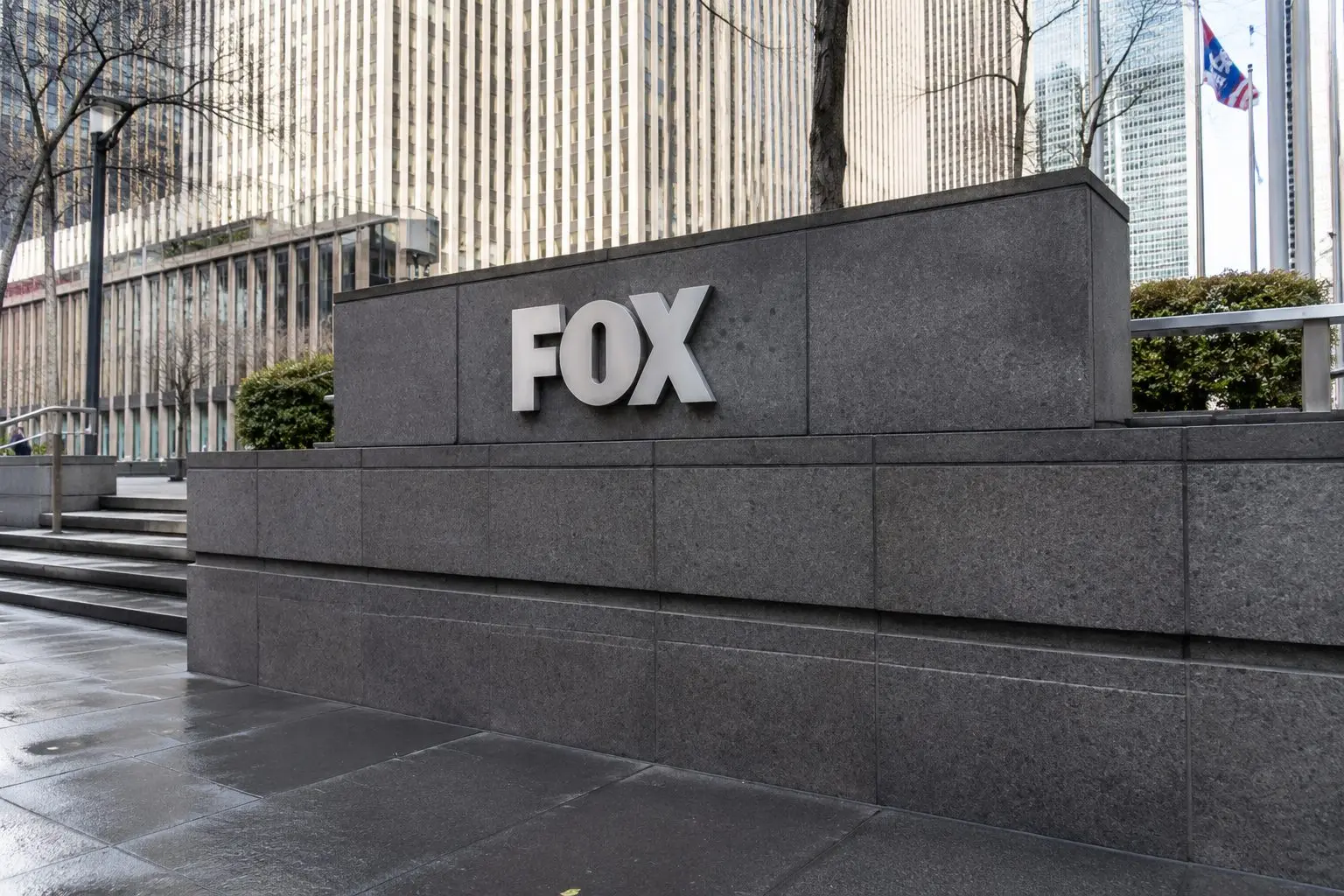
Fox Corporation shares tumbled Monday after the company announced a plan to buy Roku for roughly $22 billion in enterprise value. Fox Class A traded down $10.90 at $54.95. Fox Class B was last at $49.99, off $8.93. Roku traded at $142.11, well under the $160 per share deal price. That suggests the market sees some risk to the deal closing.
Stocks fell on the news as the market reacted to possible dilution, debt and risk tied to the Roku deal. Stocks tend to move higher when earnings prospects improve or risk looks lower, and lower when new details show possible dilution or execution risk. Dilution happens when companies issue new shares, cutting the slice for current holders. In the Fox deal, Roku shareholders will get $96 in cash plus 0.9693 Fox Class A shares for each Roku share. Fox holders will control about 73% of the merged company, Roku holders about 27%. Fox expects the buyout to close in the first half of 2027, though it still needs shareholder and regulatory signoff.
Bulls see the upside. Roku brings Fox straight into over 100 million global streaming homes and hands it big first-party data plus a broader connected-TV ad business as viewers leave cable. Fox CEO Lachlan Murdoch called it a “defining moment.” PP Foresight analyst Paolo Pescatore told Reuters the move gives Fox “greater control over discovery, data and monetization.” Fox expects the deal to boost free cash flow per share by the second full year after closing. Free cash flow—cash left after operations and capex—is a key number tracked for buybacks, dividends and repaying debt. Fox Corp Investor Reuters
Fox is taking on risk with a deal for a business exposed to ads volatility, platform battles and integration challenges. Fox said it lined up $12 billion in bridge financing and expects net leverage around 2.8 times when the deal closes. Net leverage puts net debt up against earnings and is a key balance-sheet metric. Fox is aiming for $400 million in ongoing cost cuts, but that’s still an open promise. Investors are watching if Roku’s open platform keeps its partner approach once Fox controls it.
Fox shares are cheaper by earnings now, trading at about 14.5 times profits, but the risk is still there. The recent decline pushed down the valuation, but the stock is now linked to a big deal that might not close before 2027 and could change Fox’s balance sheet and future growth. The next thing investors are watching for is the Form S-4 and joint proxy/prospectus, where Fox and Roku are supposed to lay out more numbers on how the deal will be paid for, where the risks are, how shareholders will vote, and how they plan to hit the $400 million savings goal.