
NEW YORK, July 10, 2026, 07:41 (EDT)
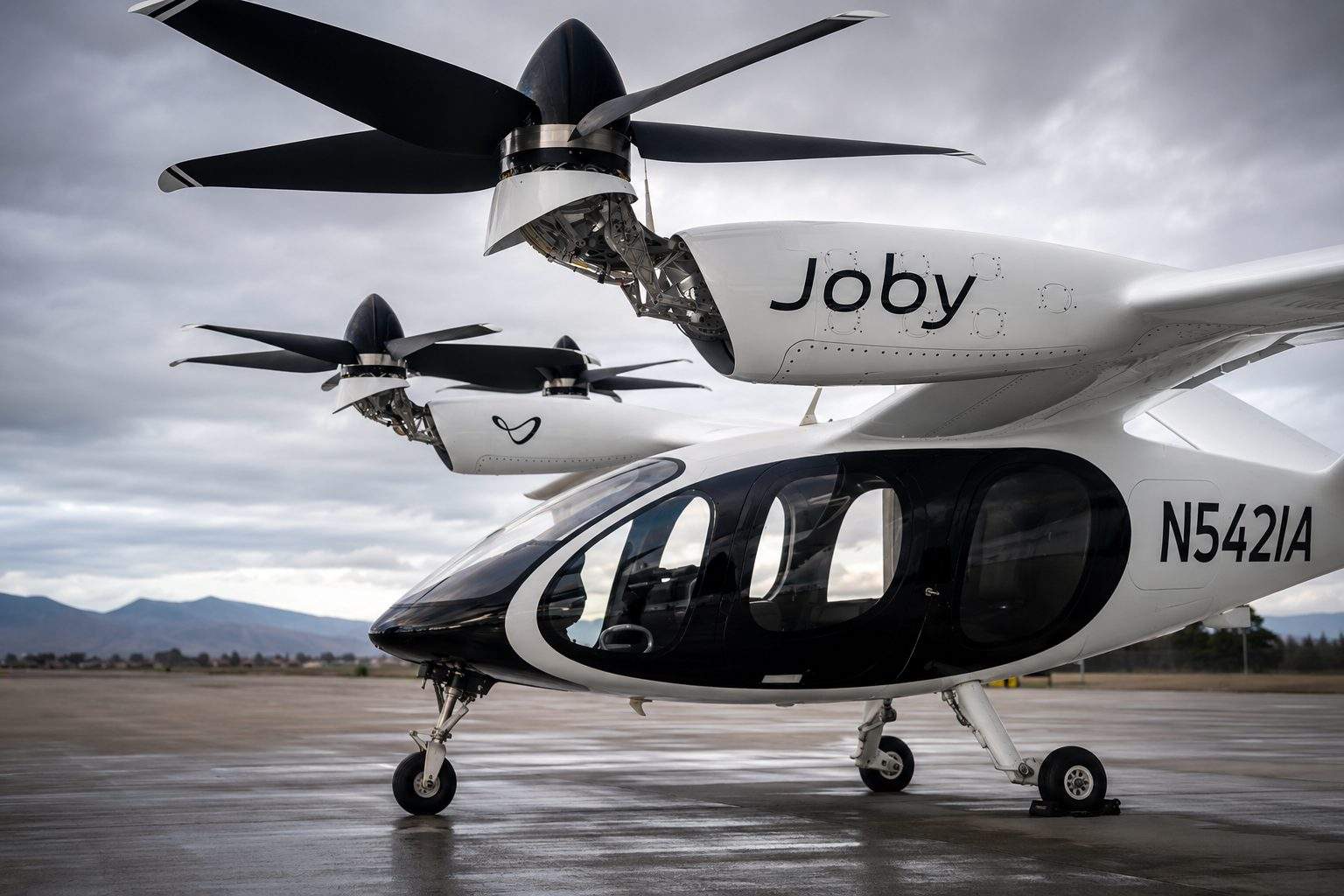
Joby Aviation heads into Friday down 10.4% from Monday after little movement since dropping 8.97% on Tuesday. The shares closed Thursday at $7.99. Archer Aviation NYSE:ACHR is telling a federal judge to toss out Joby’s latest trade-secret suit.
Archer shares fell 9.7% from Monday’s close through Thursday, and Vertical Aerospace NYSE:EVTL slid 10.9%. The Nasdaq Composite rose 0.3% in that time. Archer, Vertical and one other company are all working on electric vertical-takeoff-and-landing, or eVTOL, aircraft—machines that take off like helicopters and fly on wings.
| Security | Monday close | Thursday close | Change |
|---|---|---|---|
| Joby Aviation | $8.92 | $7.99 | -10.4% |
| Archer Aviation | $5.37 | $4.85 | -9.7% |
| Vertical Aerospace | $1.92 | $1.71 | -10.9% |
| Nasdaq Composite | 26,121.16 | 26,206.89 | +0.3% |
The equal-weighted group of the three eVTOL stocks dropped 10.3%, underperforming the Nasdaq by about 10.7 points. The symmetry is key since the investigation is aimed at Joby, not the whole set. But the market is trading it like a wider sector cut, with investors discounting the long-term pitch, rather than pricing in a specific risk to Joby over legal issues.
Rates could weigh on these stocks. The 10-year U.S. Treasury was yielding 4.542% early Friday. On the market side, eVTOL shares are like long-duration assets, with most of their forecast value tied up in cash flows well down the road. Higher rates make those future earnings worth less now.
The tail risk tied to the company—a chance of a big negative event, though unlikely—remains. Archer has brought a case at the U.S. International Trade Commission, alleging five of its patents were infringed. The patents relate to electric aircraft, power systems and their parts, including batteries. Archer wants a limited exclusion order, which would block the accused imports at the border, plus cease-and-desist orders. So far, the commission hasn’t weighed in on the claims.
The timelines in the two legal cases don’t match up:
| Proceeding | Next dated events | Investor relevance |
|---|---|---|
| Federal district court | Responses to dismissal motions are set for July 20; hearing on Aug. 11 at 10 a.m. PDT | This is the quicker event, focusing on Joby’s updated trade-secret claims. cand.uscourts.gov |
| International Trade Commission | Initial ruling from the judge expected May 14, 2027; full investigation wraps by Sept. 14, 2027 | This process takes longer and could result in import restrictions. |
The district court dispute runs separate from the patent case. Back in June, Judge Susan van Keulen let Joby’s trade-secret claim tied to a developer agreement move forward past early dismissal, though she didn’t rule on whether Joby proved its case. She found three wider sets of claims too vague. Van Keulen also threw out Archer’s counterclaims related to tariffs and China, but allowed Archer a chance to re-file them. Archer’s Eric Lentell called the ruling “primarily procedural in nature.” Joby’s Alex Spiro said he was “pleased and not surprised.” Justia Law
Joby finished Q1 with $2.5 billion in cash, cash equivalents and short-term investments, or about a third of its $7.5 billion market cap. CEO JoeBen Bevirt said in May that Joby now has “the clearest path we’ve ever had to beginning passenger operations.” jobyaviation.com
Joby’s production and certification schedule is outpacing the ITC timeline. The company started flight tests of its first production aircraft before upcoming FAA reviews, expects to start some U.S. service and open in Dubai in 2026, and wants to build four planes a month by 2027. That means Joby is pushing through key certification and launch stages before the ITC’s target, with production scaling up as the court process moves.
The peer pattern isn’t locked in. A bad ITC decision might stall imports or force changes to designs and suppliers. If certification or a commercial launch gets delayed, revenue gets pushed back. Higher rates could also put more pressure on valuations. On the flip side, claims could get tossed, settled, or bypassed through design updates, putting the focus back on certification and production rather than on legal fights.
Related articles: NYSE:ACHR