
New York, July 11, 2026, 06:39 (EDT)
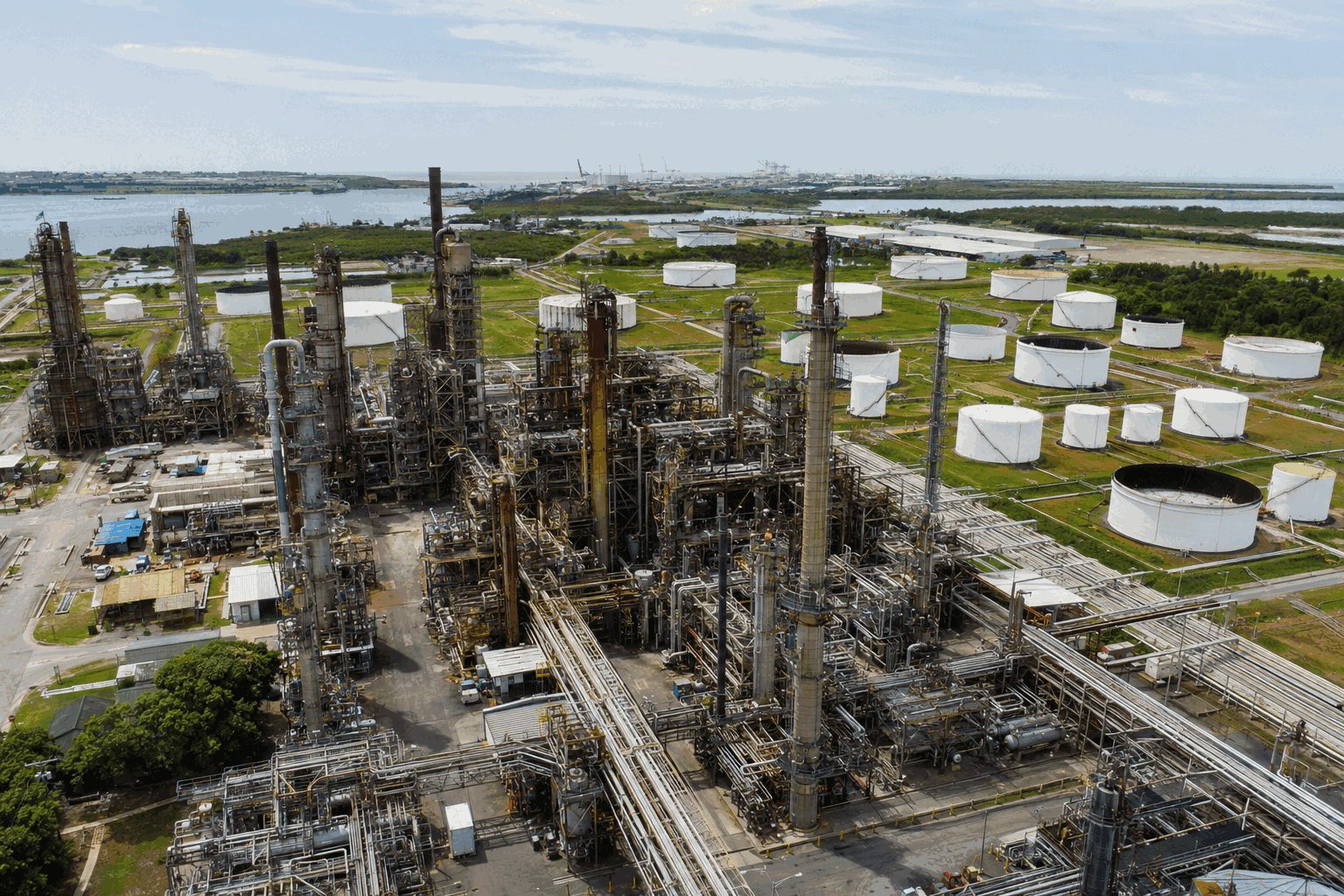
Large U.S. refiners beat both crude and the wider energy sector this week. Marathon Petroleum NYSE:MPC, Phillips 66 NYSE:PSX and Valero Energy NYSE:VLO each rose, averaging a 6.0% gain with each stock weighted equally. That compares to a 3.2% rise for the S&P 500 Energy index and about 4% for U.S. crude.
Why now: This outperformance wasn’t just about rising oil prices. Traders paid up for limited capacity to refine crude into fuel. The Nymex 3-2-1 crack spread — the margin for turning three barrels of crude into two of gasoline and one of distillate — set a record at $64.58 a barrel on July 8. “There’s just not enough refining capacity left globally to deal with all this,” Sparta Commodities analyst Neil Crosby said. Reuters
| Company or benchmark | July 10 close | Week change |
|---|---|---|
| Marathon Petroleum | $283.74 | up 6.5% |
| Phillips 66 | $188.36 | rose 6.8% |
| Valero Energy | $280.69 | gained 4.8% |
| Equal-weight refiner basket | — | added 6.0% |
| S&P 500 Energy index | 839.58 | up 3.2% |
| WTI crude | $71.41 a barrel | up about 4.0% |
| Brent crude | $76.01 a barrel | climbed 5.4% |
Weekly stock and index changes are measured from July 2 closes since U.S. markets were shut July 3 for the Independence Day holiday.
The 2.8-point spread between refiners and the broader energy sector stands out. The trading points to investors playing refined-product shortage, not just chasing “oil beta”—energy shares tracking crude. That trade can keep going if fuel margins hold up, even without more gains in oil.
Physical barrels moved the market. U.S. petroleum-product exports hit a record 8.73 million bpd for the week ended July 3. Gasoline inventories fell 1.9 million barrels to 212.1 million. Distillate stocks, mostly diesel and heating oil, dropped almost 5 million barrels to 103.6 million. Both are sitting below normal for the season.
| Supply and margin gauge | Latest reading | Comparison |
|---|---|---|
| Petroleum-product exports | 8.73 million bpd | Set a weekly high |
| Gasoline inventories | 212.1 million barrels | Fell 1.9 million barrels over the week |
| Distillate inventories | 103.6 million barrels | Down close to 5 million |
| Nymex 3-2-1 crack spread | $64.58 a barrel | Hit a record July 8 |
| U.S. oil and gas rig count | 581 | Marked the highest since May 2025; up 8% from a year ago |
Russia squeezed the market further. Diesel exports dropped to about 234,000 bpd in early July, down from a 2025 average of 817,000 bpd as refinery troubles and Moscow’s export ban hit supplies. U.S. diesel futures surged 11.6% on Wednesday. “Diesel is the one product that everybody needs to watch,” said Gulf Oil’s chief energy adviser Tom Kloza. Reuters
Crude pulled back Friday. WTI dropped 0.9%, Brent slipped 0.4%, as traders bet on better traffic through the Strait of Hormuz. “This market is ready, willing and able to jump on good news or at least no bad news,” said John Kilduff, partner at Again Capital. Reuters
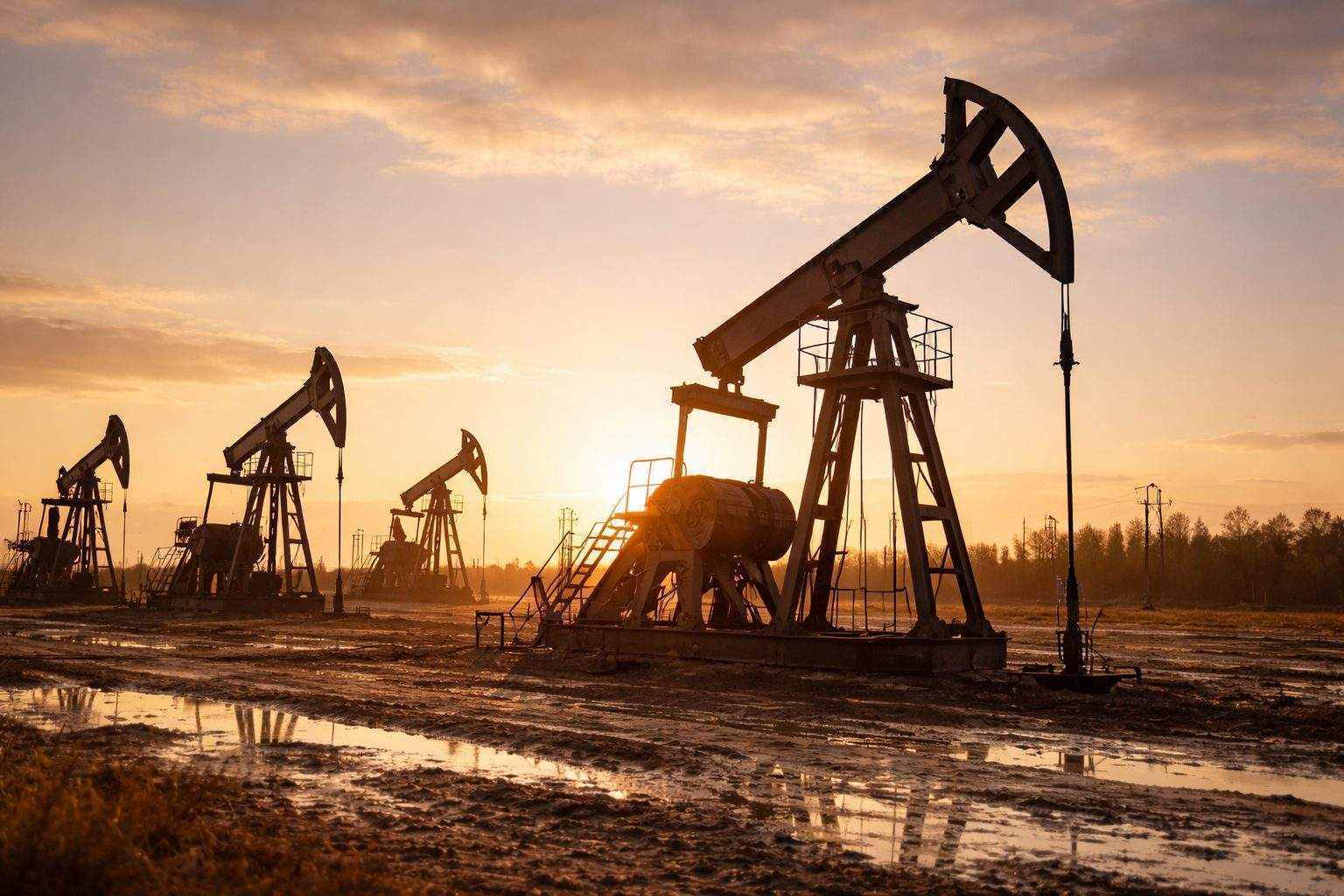
U.S. supply kept expanding. Baker Hughes NASDAQ:BKR reported that the oil and gas rig count rose to 581, the highest level since May 2025 and up 8% from the same time last year. Oil rigs stayed at 445, gas rigs at 126. More rigs often mean future output will rise, which can limit producer gains even as it helps demand for equipment and services.
The setup still looks shaky. A lasting U.S.-Iran agreement and more ships passing through Hormuz might push oil and fuel prices down. If demand drops at an average price of $3.88 a gallon, inventories climb, or outages like Marathon’s 146,000-bpd Detroit issue hit, margins could shrink or volumes fall.
The first real test next week is set for Wednesday, July 15, when the Energy Information Administration releases new U.S. petroleum data. Investors are looking to see if gasoline and distillate inventories are still tight and if exports hold close to record highs. The wildcard is talks on Iran’s public pledge to keep Hormuz open, with Iran’s foreign minister in Oman on Saturday.
Energy names didn’t all move the same this week. The edge went to refiners that could take tight oil supply and make fuel. If the shortage drags on, refiners could stay ahead. But if stocks build back up, those margin-driven gains could unwind just as fast.
Related articles: NYSE:MPC