
NEW YORK, July 15, 2026, 09:10 EDT
U.S. mortgage rates can fall without a Federal Reserve cut, but the bond-market route now open would need to deliver more than a routine quarter-point move to reverse the latest drop in homebuying demand. The Mortgage Bankers Association’s average 30-year contract rate reached 6.65% in the week ended July 10, the highest since August 2025, while purchase applications fell 7.3% to their lowest since February.
Long-term home loans take their main cue from the Treasury market rather than the federal funds rate. Against the 10-year Treasury’s 4.56% close on July 10, the MBA reading implies a rough mortgage-to-Treasury gap of 2.09 percentage points. That gap is the extra yield built into mortgage pricing for risks and lender costs, and it can narrow while the Fed stands still.
Three recent readings put conventional 30-year borrowing costs firmly in the mid-6% range, despite differences in timing and survey design.
| Mortgage-rate measure | Reference date | 30-year fixed | Related signal |
|---|---|---|---|
| MBA weekly contract rate | Week ended July 10 | 6.65% | Purchase applications fell 7.3% |
| Freddie Mac OTCMKTS:FMCC PMMS | July 9 | 6.49% | Up from 6.43% a week earlier |
| Yahoo Finance lender marketplace | July 14 | 6.42% | 15-year fixed rate was 5.92% |
The 23-basis-point range among the surveys reflects different borrower pools, collection periods, fees and lender samples. The common message matters more: financing remains expensive enough that one higher-rate week sharply reduced purchase activity. A few basis points of relief are unlikely to change that.
Using the MBA rate and the July 10 Treasury close as synchronized inputs shows how rates could decline without Fed action. The scenarios below are mechanical sensitivities, not forecasts, and assume full pass-through to a $400,000, 30-year loan. Payments cover principal and interest only.
| Scenario | 10-year Treasury | Retail gap | Implied mortgage rate | Monthly payment | Monthly change |
|---|---|---|---|---|---|
| July 10 snapshot | 4.56% | 2.09 points | 6.65% | $2,568 | — |
| Treasury yield falls 25 basis points | 4.31% | 2.09 points | 6.40% | $2,502 | -$66 |
| Retail gap narrows 25 basis points | 4.56% | 1.84 points | 6.40% | $2,502 | -$66 |
| Both decline 25 basis points | 4.31% | 1.84 points | 6.15% | $2,437 | -$131 |
A quarter-point decline from either channel cuts the payment by about 2.6%. Even a combined half-point drop saves roughly 5.1%. That can bring some marginal buyers back, but the MBA data suggest a larger affordability adjustment may be needed before demand shows a durable response.
“Mortgage rates do not wait for the Fed,” Anupam Satyasheel, founder and chief executive of Occams Advisory, told CBS News. The 30-year rate fell to about 5.98% in late February and climbed to 6.53% by the end of May despite no change in the Fed’s policy rate, illustrating how Treasury yields and mortgage-market spreads can overpower the central bank’s calendar. CBS News
Fresh inflation data have given the Treasury side of that equation some support. Consumer prices fell 0.4% in June and were 3.5% higher than a year earlier, down from 4.2% in May, while core prices were unchanged on the month. The 10-year yield closed at 4.58% on Tuesday, down from 4.62% on Monday, and traded near 4.57% early Wednesday. No Fed cut was required for that move.
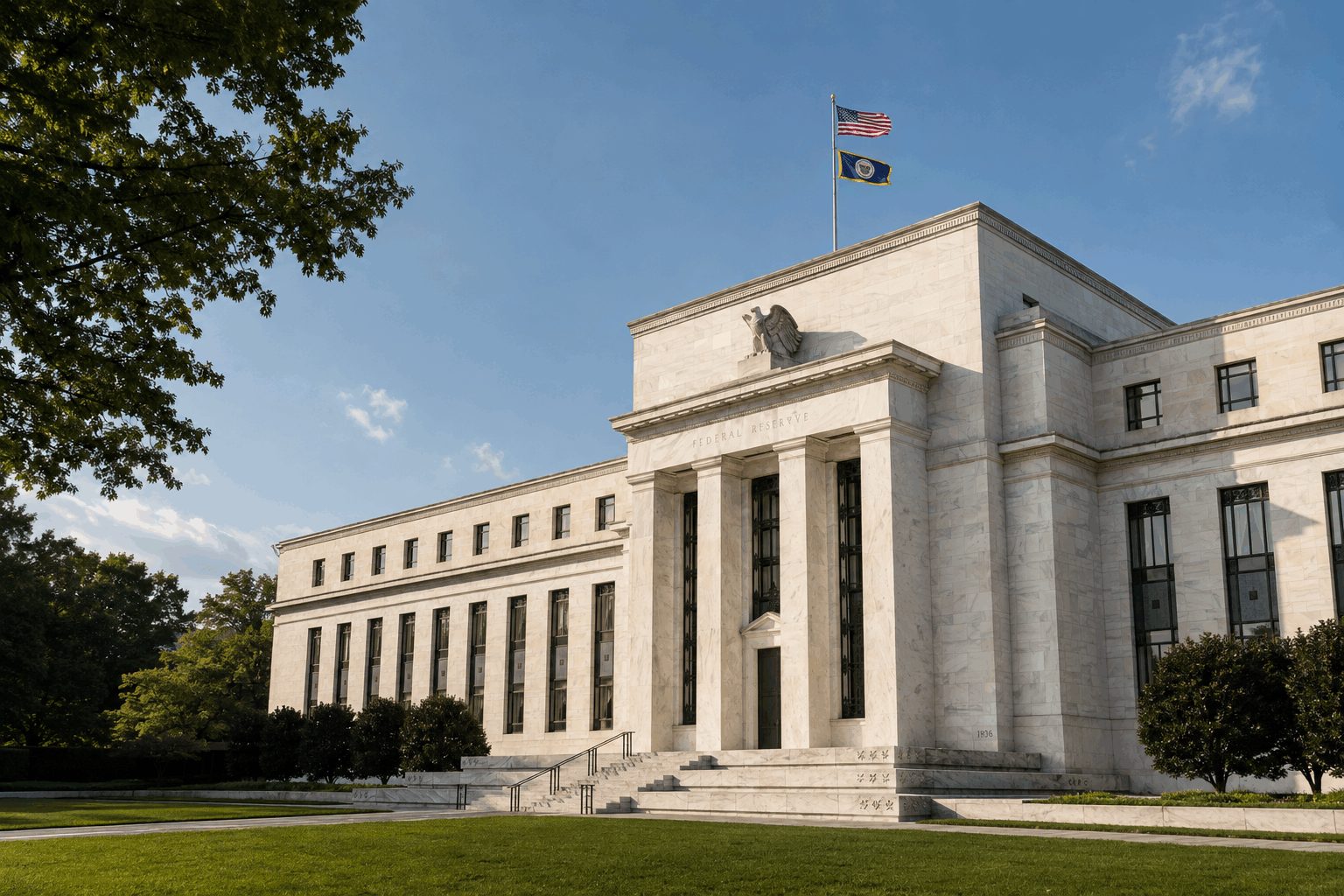
Fed Chair Kevin Warsh told lawmakers on Tuesday that 30-year mortgages remained elevated partly “because of inflation that has been above the Fed’s objectives.” His comment points to the constraint on the bullish case: slower inflation can pull Treasury yields down, but rates may remain near current levels if investors demand a wide premium for mortgage debt. Federal Reserve
But the inflation report also shows why relief may stall. Energy prices fell 5.7% in June yet remained 15.7% above their year-earlier level. Renewed oil pressure or another bout of bond volatility could lift the Treasury yield or widen the retail gap; a 25-basis-point rise in one would erase an equal improvement in the other.
The next test comes with Freddie Mac’s weekly rate survey on Thursday. For housing-sensitive investors, the useful signal will not be a lower headline rate alone, but whether it comes from falling Treasury yields, a narrower mortgage premium or both. Last week’s 7.3% drop in purchase applications suggests one channel may not be enough.
Related articles: OTCMKTS:FMCC