
New York, May 29, 2026, 11:03 (EDT)
- The S&P 500, Dow and Nasdaq were all in the green late morning. LSEG data on Reuters put the S&P 500 up 0.15%, the Dow up 0.46%, and the Nasdaq ahead 0.06%.
- Dell shares rallied after the company raised its outlook, pushing up other hardware stocks tied to AI.
- The rally faces pressure from inflation and the Fed after April PCE prices came in 3.8% higher than a year ago.
Stocks in the U.S. moved higher Friday, tacking on gains to their record streak. Dell Technologies jumped sharply and bets on a possible U.S.-Iran deal had investors sticking with artificial intelligence names and other risk assets.
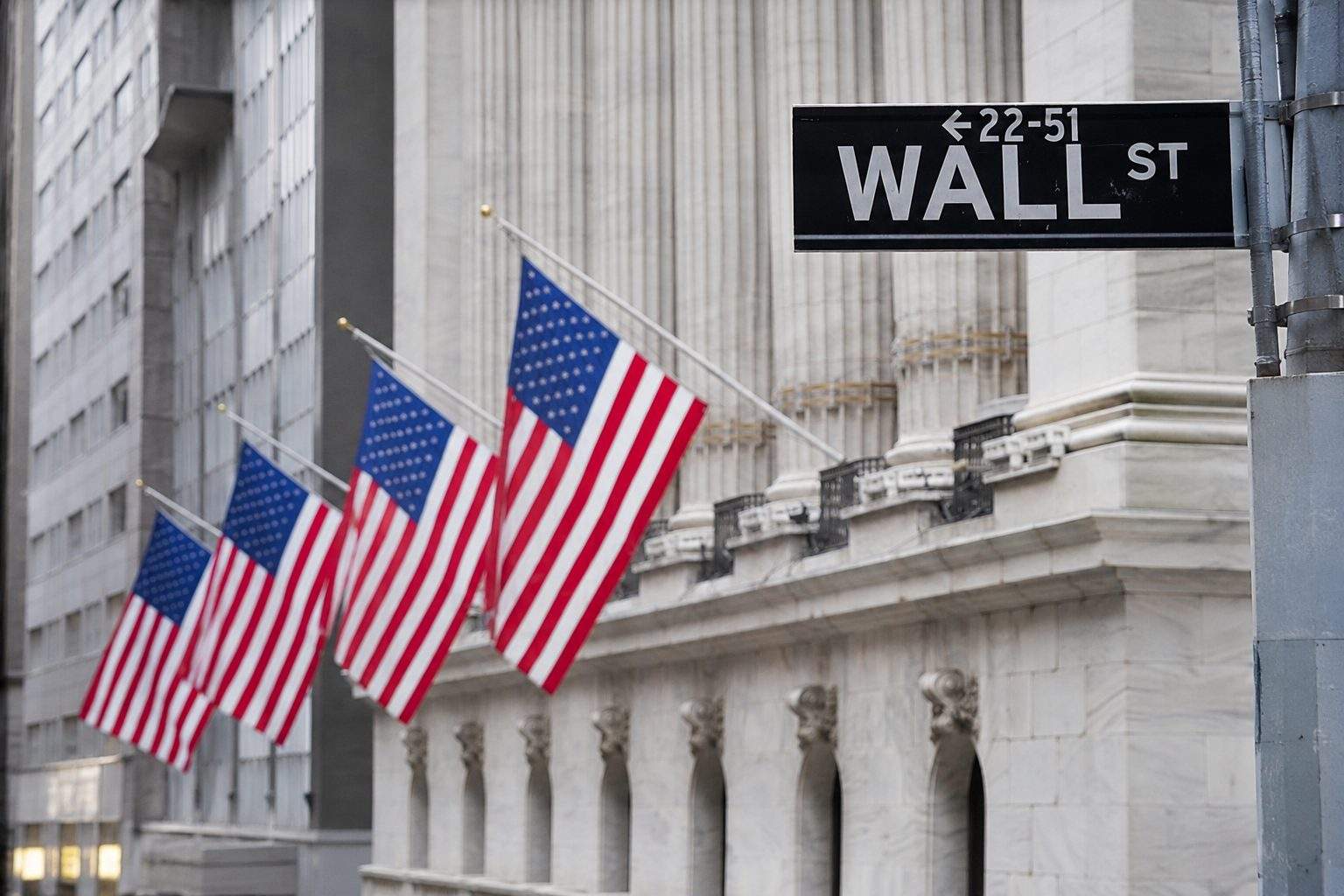
Stocks are still climbing to new highs as May ends, even with inflation up and growth slowing. The S&P 500 was at 7,574.93, the Nasdaq Composite at 26,933.85, and the Dow at 50,901.91 in late morning, according to Reuters/LSEG data, with prices delayed at least 15 minutes.
Wall Street started higher. At 10:05 a.m. ET, Reuters said the Dow rose 0.30%, the S&P 500 gained 0.41% and the Nasdaq climbed 0.58%. All three hit new intraday records. The S&P 500 was heading for its ninth weekly gain in a row, something it hasn’t seen since December 2023.
“Markets are ending May with a risk-on bias,” Bob Savage, head of markets macro strategy at BNY, said to Reuters. He pointed to AI enthusiasm, cheaper oil and hopes that U.S.-Iran tensions won’t escalate. In this kind of environment, investors are readier to buy higher-risk, higher-return assets like equities. Reuters
Dell led the way, with shares jumping 33% as AI server revenue hit $16.1 billion—more than the company’s PC sales of $14.6 billion for the quarter. Super Micro Computer and Hewlett Packard Enterprise also gained, with traders linking the rally to AI infrastructure bets and not just Dell’s results.
Dell bumped its AI server revenue target for fiscal 2027 to about $60 billion, lifting it from $50 billion, and boosted its full-year revenue outlook to a range of $165 billion to $169 billion, up from $138 billion to $142 billion. The guidance sparked interest in hardware stocks linked to data-center spending.
Some parts of the market lagged. Reuters said nine out of 11 major S&P 500 sectors traded lower earlier on, as communications services lost ground following a slide in Alphabet. Gap shares fell after the company slashed its annual sales forecast. American Eagle Outfitters also slipped, with the retailer sticking to its outlook for flat comparable sales.
Macro numbers came in mixed even as markets held up. The Bureau of Economic Analysis reported April personal consumption expenditures prices up 0.4% from March, and 3.8% higher than a year ago. Core PCE, which excludes food and energy, was up 3.3% year-over-year.
Growth cooled a bit. The BEA said real GDP rose at a 1.6% annual rate in the first quarter, less than its first estimate of 2.0%. Fourth-quarter growth came in at 0.5%. GDP tracks everything produced in the economy.
The big worry is that the Middle East relief trade might be too quick. Fed Vice Chair for Supervision Michelle Bowman said it’s still too soon to know what the Iran conflict means for the economy, warning that lasting disruptions could create wider inflation pressure. If the energy shock gets bigger, Bowman said it could change her view on risks for monetary policy.
Oil prices are still moving markets. Brent crude dropped to $92.10 a barrel, according to AP, as negotiators from the U.S. and Iran worked on a ceasefire extension. But prices stayed much higher than they were in late February before the war. The 10-year Treasury yield was steady around 4.45%.
Markets are leaning on AI earnings and weaker oil to balance out worries about inflation. Kpler’s Muyu Xu told Reuters some traders could be too optimistic about relief in Hormuz shipping, with supply maybe three to four months from returning. So, the rally is still at risk if energy, inflation, or the Fed deliver a negative headline.
Related articles: NASDAQ:SMCI






![US Stock Market Today 08/24/2026 [UPDATE: 00:06 EDT] [Alibaba Dilution Joins Memory Selloff in Overnight Trade]](https://ts2.tech/wp-content/uploads/2026/08/US-market-dashboard-2026-08-24-0003-480x384.jpg "US Stock Market Today 08/24/2026 [UPDATE: 00:06 EDT] [Alibaba Dilution Joins Memory Selloff in Overnight Trade]")
![Australia Stock Market Today 24/08/2026 [UPDATE: 13:37 AEST] [BHP Extends ASX Rally as Financials Hold Back Breadth]](https://ts2.tech/wp-content/uploads/2026/08/AU-market-dashboard-2026-08-24-1337-480x384.jpg "Australia Stock Market Today 24/08/2026 [UPDATE: 13:37 AEST] [BHP Extends ASX Rally as Financials Hold Back Breadth]")