
NEW YORK, June 22, 2026, 07:10 (EDT)
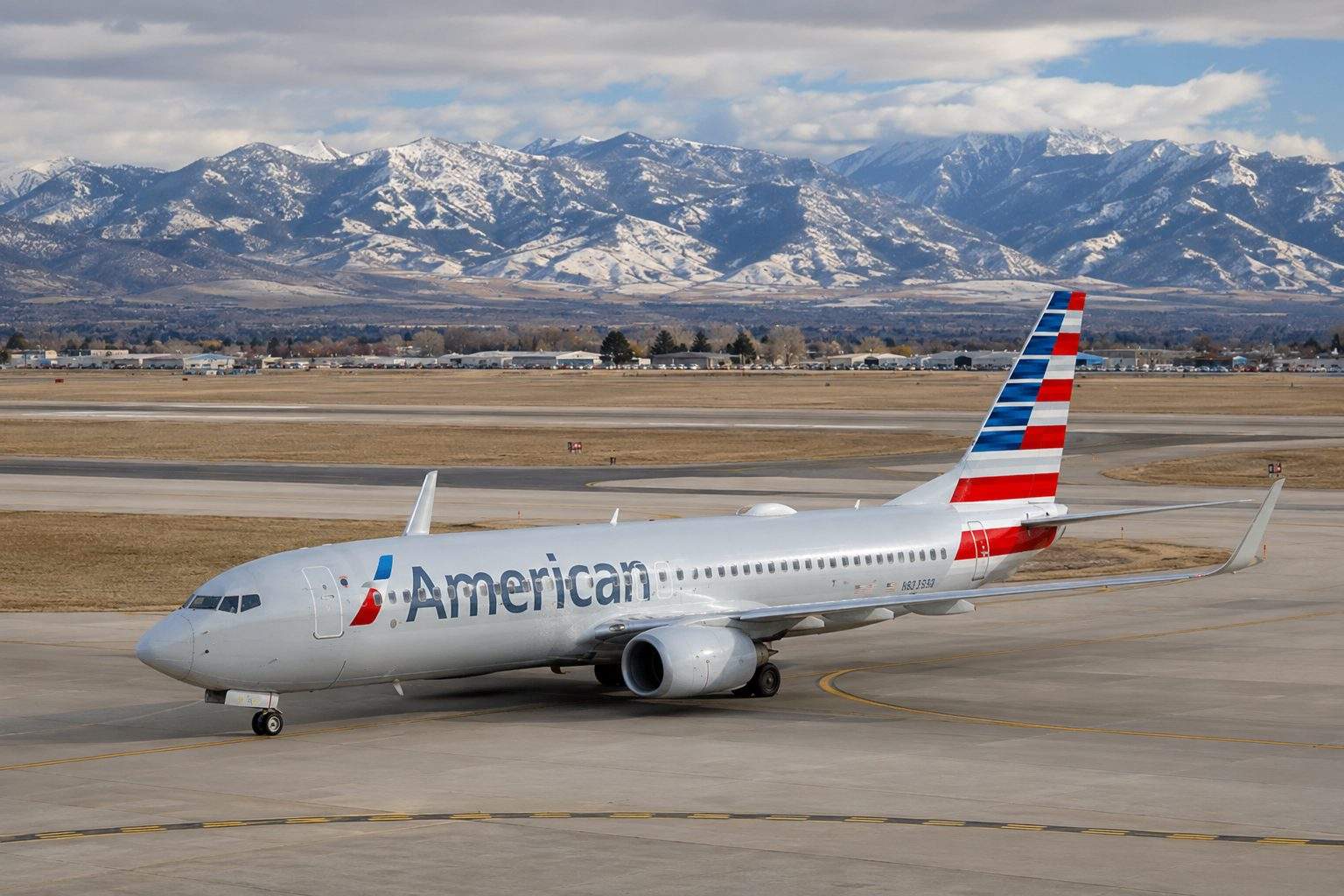
- American Airlines Group Inc. NASDAQ:AAL was last seen at $15.99 in pre-market, up 56 cents ahead of the Nasdaq open.
- Lower jet fuel prices are the latest driver after U.S.-Iran talks cooled oil-market worries. Airlines are expected to use the extra cash to fix margins, not drop fares.
- The main risk is clear. If fuel prices move up again or travelers balk at higher ticket prices, the same leverage that boosted earnings could hit the stock the other way.
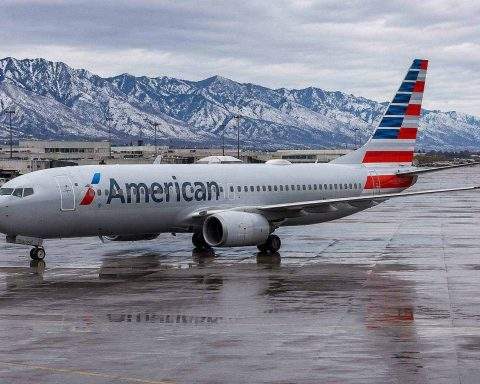
American Airlines Group Inc. NASDAQ:AAL traded up in early action Monday after oil prices dropped amid signs of movement in U.S.-Iran talks. Investors seemed to ease up on worries over the airline’s fuel costs. Shares were at $15.99, a gain of 56 cents, or roughly 3.6%, before markets opened. United Airlines, Delta Air Lines, and Southwest Airlines also saw premarket gains.
American Airlines Group Inc. NASDAQ:AAL has shown a higher sensitivity to fuel prices than other big U.S. airlines this year, so the move is drawing attention now. Nasdaq runs pre-market trading from 4:00 a.m. to 9:30 a.m. Eastern, with U.S. markets reopening Friday after the Juneteenth holiday.
U.S. stock futures struggled for direction early, Reuters said, with Dow futures off 0.09%, S&P 500 futures slipping 0.16%, and Nasdaq 100 futures little changed at 04:53 a.m. ET. Oil fell up to 2% after Washington and Tehran set a 60-day roadmap to a possible deal, according to Reuters.
For American, the stock story is about fixing margins, not giving cheaper tickets to travelers. Spot jet fuel in the U.S. traded at $2.85 per gallon on June 17, falling from $4.88 in early April. Reuters said that could cut the industry’s yearly fuel cost by over $40 billion if it lasts.
American had told investors that swings in fuel prices would impact the year. Back in April, the company posted record Q1 revenue of $13.9 billion, but it took a GAAP net loss of $382 million. The airline said its 2026 outlook midpoint was about even with 2025 — that’s after more than $4 billion in extra jet fuel costs. CEO Robert Isom said at the time the airline was “on track for another record in the second quarter.” American Airlines Newsroom
The math that’s sliding under the radar is earnings torque. Jefferies figures that if its 2027 fuel forecast — about $3 per gallon — falls 5%, it would boost Delta, Southwest and United’s projected EPS by 10% to 15%. For American, the increase could reach 50%. In other words, each 1% shift in American’s fuel forecast cues up a roughly 10% swing in its projected EPS, while a 10-cent move near $3 a gallon could drive about a one-third jump in EPS. That’s the setup powering Monday’s action, not just a drop in oil prices.
Pricing is still key to the trade. Melius Research analyst Conor Cunningham told Reuters, “What remains crucial is the ability to hold price,” as airlines try to keep fares steady with fuel costs coming down. Southwest Chief Operating Officer Andrew Watterson put it more directly: “When’s fuel going to go down?” Reuters
Larger network carriers are seeing some support from a tighter market. Reuters said American, Delta and United plan to recover around 40% to 50% of the higher second-quarter fuel costs. Fewer aircraft deliveries, airport limits and weaker budget airlines are lowering the risk of a big U.S. fare war. The U.S. Global Jets ETF gained about 2.5% in early trading.
The setup is still tight. Another oil jump, a drop in late-summer demand, or a quicker fare rollback could undercut the trade, and it’s still tough to gauge how far consumers will push back until bookings catch up. Congress is holding a June 24 hearing on U.S. airline competition and rules after Spirit Airlines fell out, bringing policy risk back into an industry already moving on shifts in fuel, fares, and capacity.
American’s latest filings just tack on a quick governance update. The company said Vice Chair and Chief Strategy Officer Stephen L. Johnson will retire at the end of the year. But traders are focused on fuel costs more than anything else right now, with the stock moving on that, not the management change.
Related articles: NASDAQ:AAL